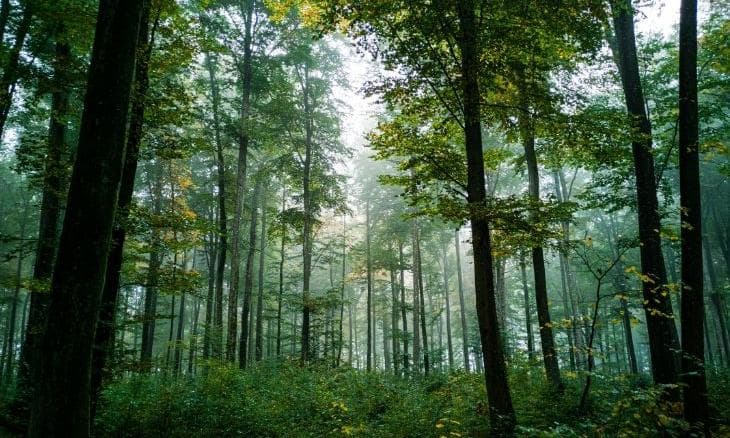
Environmental Science MEnvSci
Bangor , United Kingdom

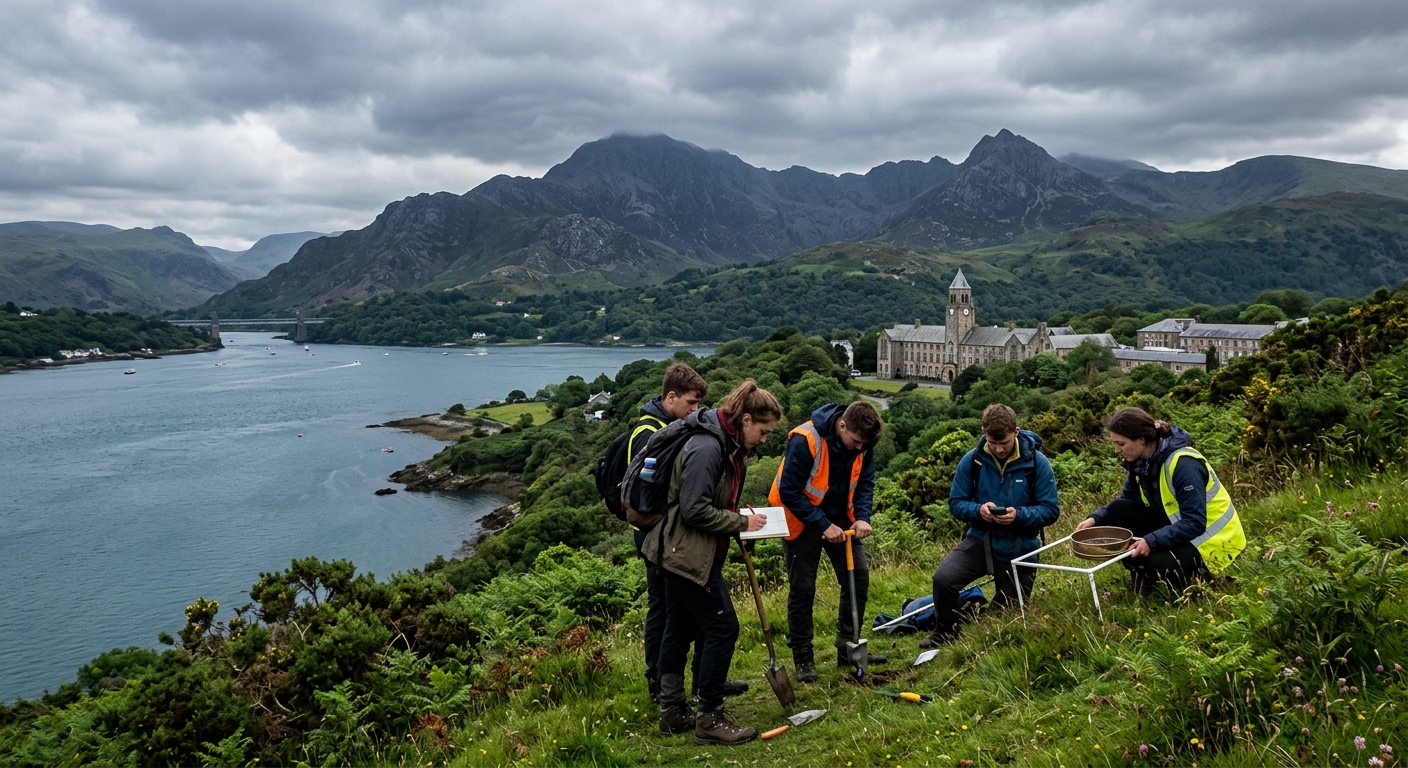
Master of Environmental Science (MEnvSci) in Environmental Science
Prifysgol Bangor University
Environmental Science
Program Overview: MEnvSci Environmental Science at Bangor University
The Environmental Science MEnvSci at Bangor University is an integrated four-year master's degree that elevates your knowledge beyond the standard BSc, equipping you with advanced research skills and professional competencies. Accredited by the Institution of Environmental Science (IES), this program is the first step on an environmental career path that could lead you to Chartered Environmentalist status.
The degree brings together biology, environmental chemistry, earth science, and land and water resource management, combined with extensive practical sessions and field trips in some of the UK's most diverse natural environments. Bangor's location between the coast and Eryri (Snowdonia) National Park provides unparalleled access to varied ecosystems for hands-on learning.
In your fourth year, you will complete a Masters-level independent research project on a topic of your choice, undertake a professional work placement of at least four weeks, and study modules in environmental sustainability for business and Strategic Environmental Management. This combination of academic depth and professional experience makes you highly attractive to employers across the environmental sector.
Key Program Highlights
- IES-accredited degree providing a pathway to Chartered Environmentalist status
- Extensive fieldwork in Snowdonia National Park, coastal environments, and beyond
- Mandatory professional work placement of at least four weeks in Year 4
- Ranked 1st in the UK for research impact in Earth Systems and Environmental Science (REF 2021)
Curriculum and Modules
The MEnvSci curriculum spans four years, with Years 1 and 2 mirroring the BSc Environmental Science degree to build a strong scientific foundation. Year 3 expands your expertise through a wider selection of optional modules, while Year 4 focuses on Masters-level research, professional placement, and advanced environmental management studies.
Environmental Biology and Ecology
20 UK CreditsProvides an understanding of organisms, their environments, and ecological communities, with practical fieldwork sessions studying local and regional ecosystems.
Environmental Chemistry and Pollution
20 UK CreditsCovers the chemical processes underpinning natural environmental systems and the science of pollution, including analytical laboratory techniques for environmental sample analysis.
Earth Science and Global Processes
20 UK CreditsExplores geological and geophysical processes that shape the Earth's surface, including plate tectonics, weathering, sedimentation, and their environmental implications.
Land and Water Resource Management
20 UK CreditsExamines sustainable approaches to managing terrestrial and aquatic resources, including hydrology, soil science, and catchment management principles.
Strategic Environmental Management
20 UK CreditsA Year 4 module focusing on professionally recognised environmental management skills, including environmental impact assessment, auditing, and regulatory frameworks.
Masters Research Project
60 UK CreditsAn independent Masters-level research project on a topic of your choice, supervised by active researchers, culminating in a substantial dissertation demonstrating advanced scientific inquiry.
Elective Modules
Admission Requirements
Entry to the MEnvSci Environmental Science program is based on academic qualifications and demonstrated interest in the sciences. International applicants should apply through Uni4Edu, which handles all applications and provides personalised guidance throughout the admissions process.
Academic Requirements
- A-Levels96-128 UCAS tariff points, including grade B in a science subject (e.g. Biology, Geography, Chemistry, Physics, Environmental Sciences)
- International BaccalaureateContact Uni4Edu for equivalent IB requirements
- BTECMMM to DDM in Countryside Management, Applied Science, Forestry and Arboriculture, or Animal Management
- Access CoursePass in a Science or Environmental-based Access to HE Diploma
- International QualificationsEquivalent qualifications from your home country are assessed on a case-by-case basis; contact Uni4Edu for details
English Language Requirements
- IELTSMinimum 6.0 overall (with no component below 5.5) or equivalent
- TOEFL iBTContact Uni4Edu for current TOEFL requirements
- Duolingo English TestContact Uni4Edu for accepted score thresholds
Required Documents
Application Deadlines
For personalized admission guidance, document verification, and application support, please contact Uni4Edu
Scholarships and Funding
Bangor University offers over GBP 1,000,000 in bursaries and scholarships each year for new and returning students. International students are automatically considered for institutional scholarships upon application, and additional external funding opportunities are also available. Contact Uni4Edu for personalised scholarship advice.
Bangor University International Scholarship
Up to GBP 4,000 (undergraduate) / Up to GBP 3,000 (postgraduate)A partial tuition fee reduction available to all international students. No separate application is required; all applicants are automatically considered based on course choice, academic performance, and personal statement.
Vice-Chancellor's Merit Scholarship
Up to GBP 10,000Awarded to outstanding international applicants who demonstrate exceptional academic achievement. This scholarship provides partial funding towards tuition and is available for both undergraduate and postgraduate students.
Commonwealth Shared Scholarships
Full funding (tuition and living costs)Jointly funded by Bangor University and the Commonwealth Scholarship Commission, these awards support students from eligible Commonwealth countries pursuing Masters-level study. Contact Uni4Edu to check eligibility and application timelines.
For detailed tuition fee information, please contact Uni4Edu — we will guide you through the costs and available funding options for this program.
Career Prospects
Graduates of the MEnvSci program are well-positioned for careers across the rapidly growing green economy. Your higher-level Masters qualification will make you attractive to employers in advisory agencies, regulatory bodies, consultancies, government, and research institutions both in the UK and internationally.
Potential Career Roles
Typical Employers
Rankings and Recognition
Bangor University has a long-standing reputation for excellence in environmental science research and teaching. The university is ranked among the top institutions globally and holds particular distinction for its environmental and sustainability research, being ranked 1st in the UK for research impact in Earth Systems and Environmental Science in the REF 2021.
| Subject | Ranking Body | Rank |
|---|---|---|
| Environmental Sciences | QS World University Rankings by Subject | Top 350 |
| Agriculture and Forestry | QS World University Rankings by Subject | Top 150 |
| Earth Systems and Environmental Science (Research Impact) | REF 2021 | #1 in UK |
| Biology | QS World University Rankings by Subject | Top 650 |
How to Apply
Applying for this program is easy with Uni4Edu. Our team will guide you through every step of the process — from document preparation to final enrolment.
Contact Uni4Edu
Reach out to our team via email or phone. We will assess your profile and confirm your eligibility for this program.
Prepare Your Documents
Our advisors will provide you with a personalised checklist of required documents and help you prepare your application package.
Submit Your Application
Uni4Edu will submit your application on your behalf and keep you updated on its progress throughout the review period.
Receive Your Offer
Once accepted, we will help you understand your offer, arrange visa support if needed, and guide you through the enrolment process.
Similar Programmes

Bachelor's Degree
48 months
Environmental Science

Manhattan University, Bronx, United States
Earliest Intake
June 2025
Gross Tuition
44100 $

Master's & Postgraduate
12 months
Climate Change, Management and Finance MSc
Imperial College London, , United Kingdom
Earliest Intake
January 2026
Gross Tuition
45500 £


Master's & Postgraduate
12 months
Conservation and Land Management
Prifysgol Bangor University, Bangor, United Kingdom
Earliest Intake
May 2026
Gross Tuition
19500 £
Master's & Postgraduate
12 months
Engineering Fluid Mechanics for the Offshore, Coastal and Built Environments MSc
Imperial College London, , United Kingdom
Earliest Intake
January 2026
Gross Tuition
45000 £


Bachelor's Degree
48 months
BSc (Hons) Environmental Studies
San Francisco State University, San Francisco, United States
Earliest Intake
October 2025
Gross Tuition
16400 $



Uni4Edu AI Assistant