Bachelor's degree in Cardiocirculatory Physiopathology and Cardiovascular Perfusion Techniques
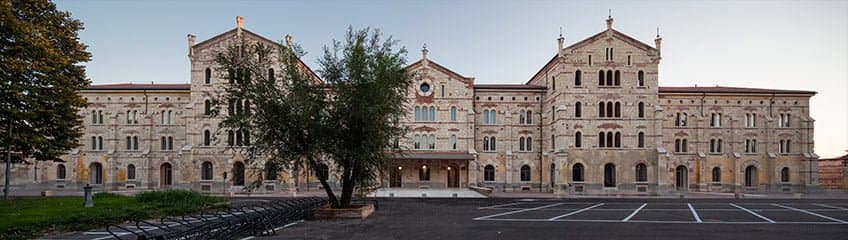
University of Verona Campuses, Italy
Bachelor's Degree in Cardiocirculatory Physiopathology and Cardiovascular Perfusion Techniques
University of Verona
Health Sciences & Cardiovascular Technology
Program Overview: Cardiocirculatory Physiopathology and Cardiovascular Perfusion Techniques
The Bachelor's Degree in Cardiocirculatory Physiopathology and Cardiovascular Perfusion Techniques at the University of Verona provides comprehensive theoretical and technical preparation across key healthcare sectors including cardiology, cardiac surgery, pulmonology, intensive care, and emergency interventions. This program qualifies graduates as certified healthcare professionals (Tecnico di Fisiopatologia Cardiocircolatoria e Perfusione Cardiovascolare), enabling them to work with full professional and technical autonomy in cardiovascular care settings.
Students learn to perform a wide range of cardiovascular diagnostic procedures including echocardiography, electrophysiology, pacemaker and implantable defibrillator device monitoring, cardiac telemetry, and telemedicine applications. In the cardiac surgery domain, graduates are trained to independently manage extracorporeal circulation techniques that support open-heart surgery in adult, pediatric, and neonatal patients.
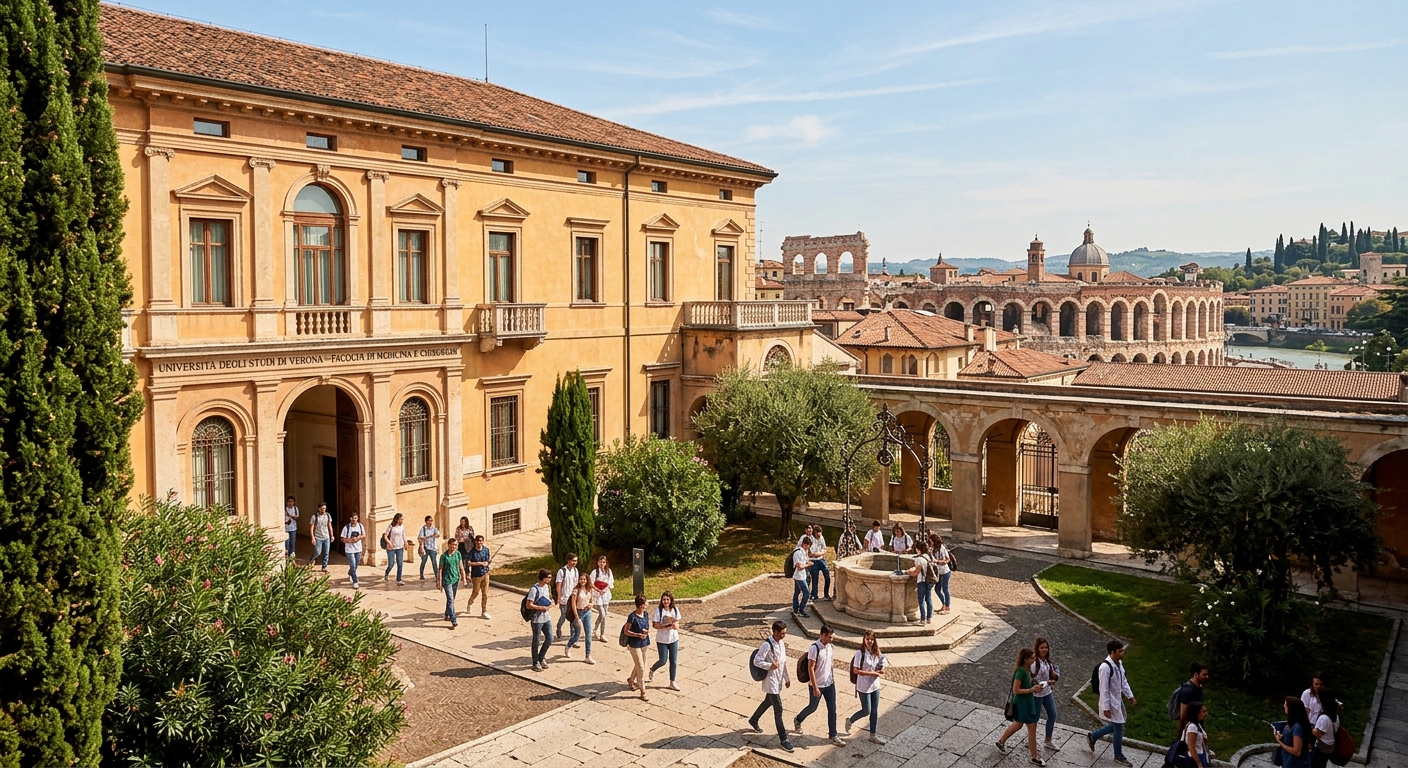
The program is offered through the Faculty of Medicine and Surgery and includes extensive clinical training at the Policlinico G.B. Rossi university hospital in Verona. Upon completion, graduates earn a professionally qualifying degree that serves as a state examination, enabling immediate entry into the healthcare workforce without additional licensure steps.
Key Program Highlights
- Professionally qualifying degree with built-in state examination for immediate healthcare practice authorization
- Hands-on clinical training at the Policlinico G.B. Rossi, a leading university hospital in Verona
- Specialized training in extracorporeal circulation, ECMO, hemodynamics, and mechanical circulatory support
- Strong integration of bioengineering, fluid dynamics, and computational modeling with clinical cardiovascular sciences
Curriculum and Core Modules
The three-year curriculum combines foundational biomedical sciences with progressively specialized cardiovascular technology training and substantial clinical placement hours. Students build from basic anatomy and physiology toward advanced competencies in extracorporeal circulation, hemodynamic monitoring, and cardiovascular diagnostics, complemented by mandatory clinical traineeships each year.
Human Anatomy and Cardiovascular Physiology
12 CFUCovers the structural organization of the human body with emphasis on the morphological characteristics of cardiovascular organs and tissues, including embryonic development and organ differentiation relevant to cardiac function.
Extracorporeal Circulation and Perfusion Techniques
15 CFUProvides in-depth training on the management and operation of heart-lung machines, including different perfusion strategies for adult, pediatric, and neonatal cardiac surgery, cerebral protection techniques, and vacuum-assisted venous drainage.
Cardiac Surgery Physiopathology and Bioengineering
12 CFUExplores ischemic heart disease physiopathology, mitral valve surgery, left ventricular assistance devices, and the bioengineering principles behind biological and mechanical heart valve prostheses and computational mathematical models.
Electronic Bioengineering and Medical Informatics
9 CFUCovers fundamental electronic components and circuits used in cardiovascular diagnostic equipment, hospital information systems for cardiology, digital clinical data security, and medical device management.
Echocardiography and Non-Invasive Cardiovascular Diagnostics
10 CFUTrains students in the technical execution of echocardiographic examinations with quantitative assessment and Doppler evaluation of cardiac and vascular systems, electrocardiography, and continuous cardiac monitoring techniques.
Clinical Traineeship and Professional Practice
60 CFUExtensive supervised clinical placements across cardiac surgery operating rooms, hemodynamics laboratories, electrophysiology units, echocardiography centers, and intensive care units, progressively building toward independent professional practice.
Elective Modules
Admission Requirements
This is a limited-enrollment (numero programmato) program that requires passing a mandatory admission test. The entrance examination covers biology, physics, and mathematics, and determines placement on a ranked admission list. Contact Uni4Edu for full guidance on the application process and admission test preparation.
Academic Requirements
- Secondary EducationHigh school diploma or equivalent foreign qualification recognized as suitable, with a minimum of 12 years of schooling completed
- Entrance ExaminationMandatory admission test covering biology, physics, and mathematics; ranking on the admission list determines enrollment eligibility
- Subject PrerequisitesAdequate preparation in biology, physics, and mathematics is required; deficiencies identified during the admission test result in additional study obligations (OFA)
- Additional Study Obligations (OFA)If knowledge gaps are identified, supplementary coursework must be completed within the first academic year to proceed to the second year
- International QualificationsForeign diplomas must be officially translated into Italian and certified by the Italian Embassy; Declaration of Value (Dichiarazione di Valore) may be required
Language Requirements
- Italian Language ProficiencyB2 CEFR level in Italian is required; proficiency is verified through the CISIA ITA-L2 test at the University of Verona Language Centre
- Italian Language CertificationAccepted certifications include CILS or CELI at B2 level or above
- Program Language NoteThis program is taught entirely in Italian; strong Italian language skills are essential for lectures, clinical training, and examinations
Required Documents
Key Deadlines
For personalized admission guidance, document verification, and application support, please contact Uni4Edu
Scholarships and Funding
The University of Verona and the Italian government offer several funding opportunities to support both domestic and international students. Scholarships are designed to cover living expenses and are awarded based on economic need and academic merit. Contact Uni4Edu for personalized guidance on available funding options.
ESU Verona Regional Scholarships
The Ente per il Diritto allo Studio Universitario (ESU) of the Veneto region offers scholarships, subsidized accommodation, and meal benefits to eligible students based on financial need and academic performance.
For detailed tuition fee information, please contact Uni4Edu — we will guide you through the costs and available funding options for this program.
Career Prospects and Professional Opportunities
Graduates of this program are qualified cardiovascular physiopathology and perfusion technicians, a healthcare role in high demand across hospitals, private clinics, and the biomedical industry. The professionally qualifying nature of this degree means you can begin working immediately upon graduation in both public and private healthcare settings throughout Italy and internationally.
Potential Job Roles
Typical Employers
Rankings and Recognition
The University of Verona is a respected public research institution recognized in major international university rankings. It demonstrates particular strength in Life Sciences and Medicine, the broader academic area encompassing this cardiovascular perfusion program. The university is part of Italy's national healthcare education system and its degrees are recognized across the European Union.
| Subject | Ranking Body | Rank |
|---|---|---|
| Life Sciences & Medicine | QS World University Rankings by Subject | #380 |
| Medicine | QS World University Rankings by Subject | #351-400 |
| Nursing | QS World University Rankings by Subject | #151-225 |
| Medicine (National) | EduRank | #11 in Italy |
How to Apply
Applying for this program is easy with Uni4Edu. Our team will guide you through every step of the process — from document preparation to final enrolment.
Contact Uni4Edu
Reach out to our team via email or phone. We will assess your profile and confirm your eligibility for this program.
Prepare Your Documents
Our advisors will provide you with a personalised checklist of required documents and help you prepare your application package.
Submit Your Application
Uni4Edu will submit your application on your behalf and keep you updated on its progress throughout the review period.
Receive Your Offer
Once accepted, we will help you understand your offer, arrange visa support if needed, and guide you through the enrolment process.
Similar Programmes

Master's & Postgraduate
12 months
Cardiovascular and Diabetes Medicine (Intercalated) BMSc (Hons)

University of Dundee, Dundee City, United Kingdom
Earliest Intake
July 2026
Gross Tuition
22500 £

Master's & Postgraduate
24 months
Heart Failure MSc
City St George's, University of London, London, United Kingdom
Earliest Intake
September 2025
Gross Tuition
14050 £
Master's & Postgraduate
12 months
Cardiovascular & Metabolic Disease MSc(MedSci)
University of Glasgow, Glasgow, United Kingdom
Earliest Intake
January 2026
Gross Tuition
31050 £


Master's & Postgraduate
24 months
Cardiovascular Science (M.Sc.)
University of Göttingen, Göttingen, Germany
Earliest Intake
April 2026
Gross Tuition
873 €
Master's & Postgraduate
12 months
Cardiovascular and Respiratory Healthcare MSc
Imperial College London, , United Kingdom
Earliest Intake
January 2026
Gross Tuition
47300 £



Uni4Edu AI Assistant