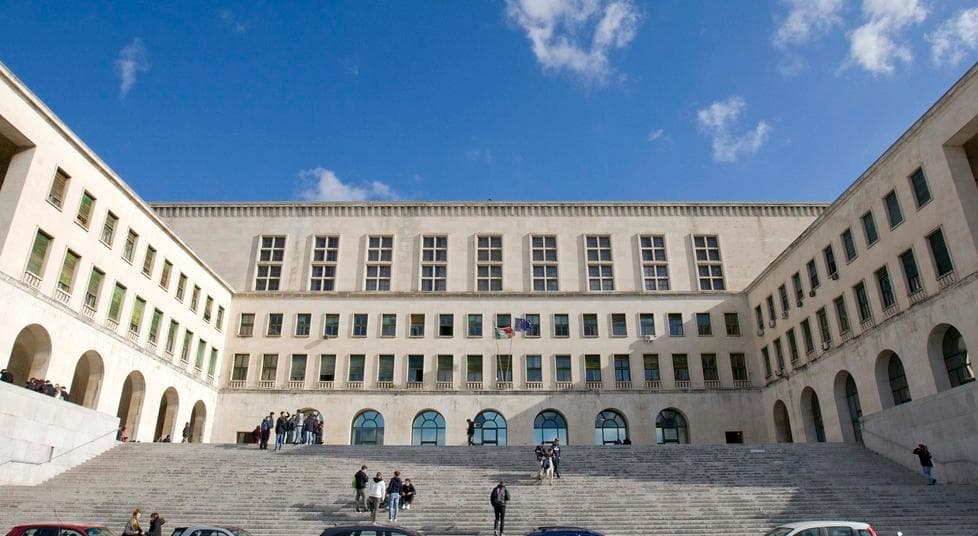
European Policies for Digital, Ecological and Social Transitions
Trieste Campus, Italy

This approach responds to the threefold challenge facing European societies, a challenge whose dimensions are closely interconnected. First, the implementation of a broad and comprehensive transition toward an ecologically sustainable economy and society to address the risks posed by climate change. Second, support for the regions and individuals most vulnerable to the decisions required to achieve the zero-emissions goal, in keeping with the principles of a just and sustainable social transition. Third, the governance of digital technologies, whose increasingly pervasive diffusion requires simultaneously managing their risks to society and exploiting the extraordinary opportunities they offer to achieve the objectives of the ecological and social transition. The interconnectedness of these challenges therefore requires the development, implementation, and evaluation of highly integrated policies and interventions that simultaneously consider the three dimensions of digital, ecological, and social. Consequently, professionals called upon to contribute to these policies will need multidisciplinary and multisectoral expertise that enables them to utilize theoretical and methodological tools from different disciplines, to operate in diverse regulatory and policy contexts, and at distinct scales and levels of governance, from local to supranational.
In particular, the European Union today appears to be an essential reference context for these policy areas, given the profound influence of the EU integration process and the Union's long-term political guidelines on public policies and private interventions regarding the digital, ecological, and social transition. The trained professionals will therefore possess advanced knowledge and skills in the analysis, management, and evaluation of European policies, programs, and projects, as well as in-depth thematic knowledge in their chosen thematic areas. This knowledge will enable them to effectively utilize the tools offered by the European Union to analyze, develop, and implement interventions that integrate aspects of environmental sustainability, governance and the impact of digital technology, and social cohesion and inclusion.
Similar Programmes
Master's & Postgraduate
24 months
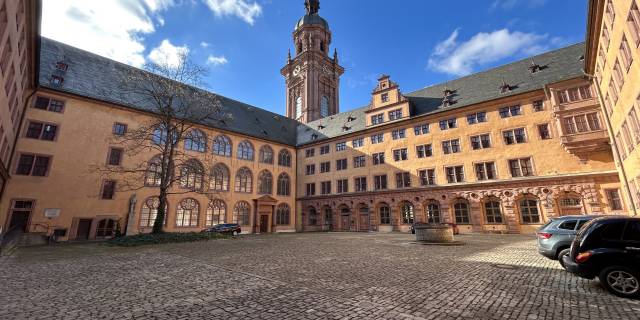
Global Challenges for Sustainability

University of Würzburg, Würzburg, Germany
Earliest Intake
January 2026
Gross Tuition
337 €


Bachelor's Degree
48 months
Global Studies BA
Randolph College, Lynchburg, United States
Earliest Intake
August 2025
Gross Tuition
30670 $

Bachelor's Degree
48 months
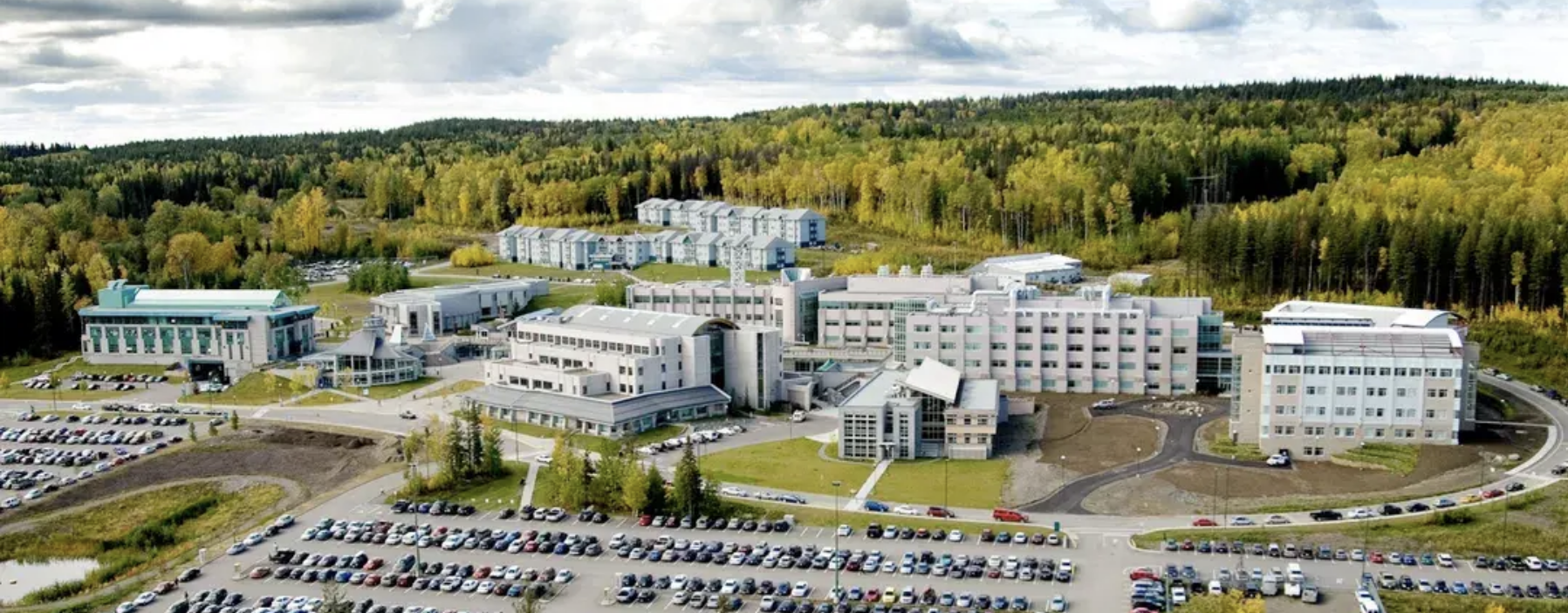
Global and International Studies (Co-Op) Bachelor
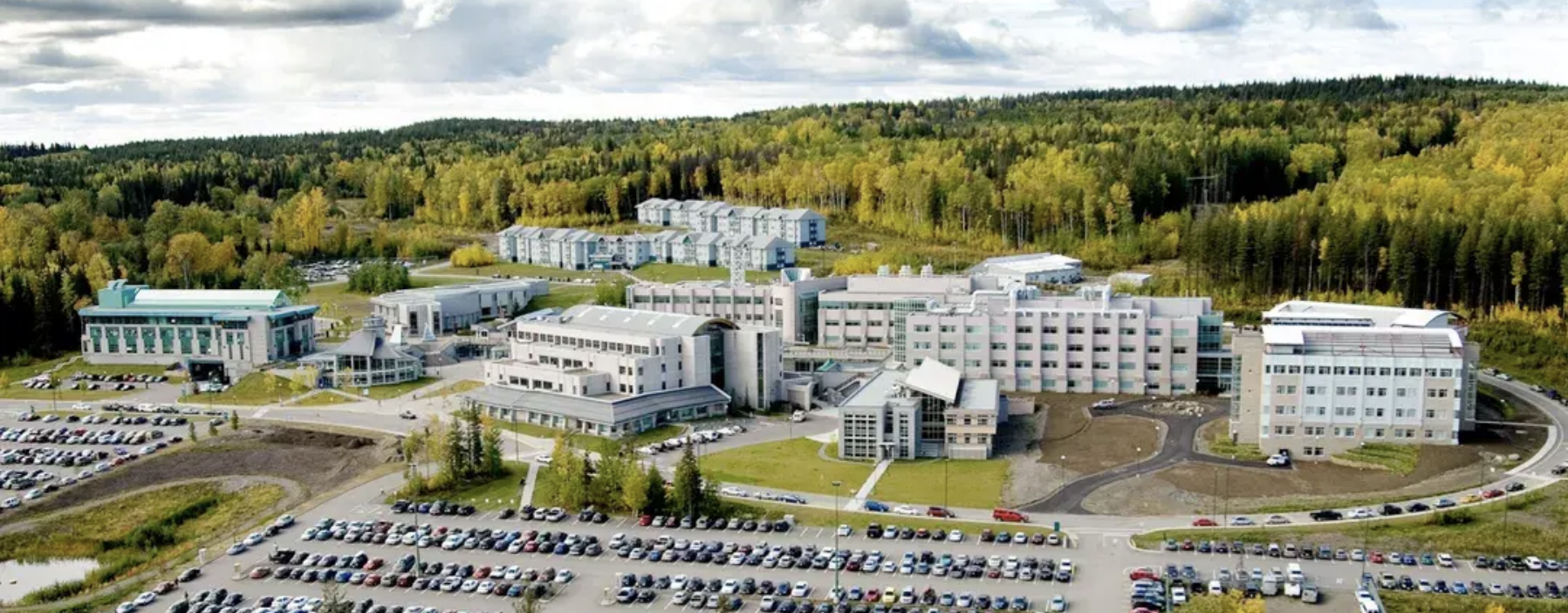
University of Northern British Columbia, Prince George, Canada
Earliest Intake
October 2025
Gross Tuition
26750 C$
Bachelor's Degree
48 months
Global and International Studies Bachelor
University of Northern British Columbia, Prince George, Canada
Earliest Intake
October 2025
Gross Tuition
26750 C$


Master's & Postgraduate
12 months
MA Global Development
Queen Mary, University of London, London, United Kingdom
Earliest Intake
January 2026
Gross Tuition
27250 £



Uni4Edu AI Assistant