
Agrosystem Sciences (M.Sc.)
Technical University of Munich (TUM), Germany

Master of Science in Agrosystem Sciences (M.Sc.)
Technical University of Munich (TUM)
Agricultural Sciences
Program Overview: Agrosystem Sciences at TUM
The Master's program in Agrosystem Sciences at TUM deals with agricultural production systems, including plant and livestock production, as well as the interactions between soils, crops, livestock, the environment, and society. It prepares graduates to solve pressing challenges in food production, renewable resources, environmental protection, and climate adaptation through a rigorous scientific approach.
Unlike a traditional agricultural science major, this program emphasizes interrelations at both farm level — such as nutrient cycles — and agricultural landscape level, including landscape water balance, erosion processes, and biodiversity regulation. You will develop a deeper understanding of the processes occurring in agricultural systems, their influencing factors, and the interactions between soil, plants, animals, and humans.
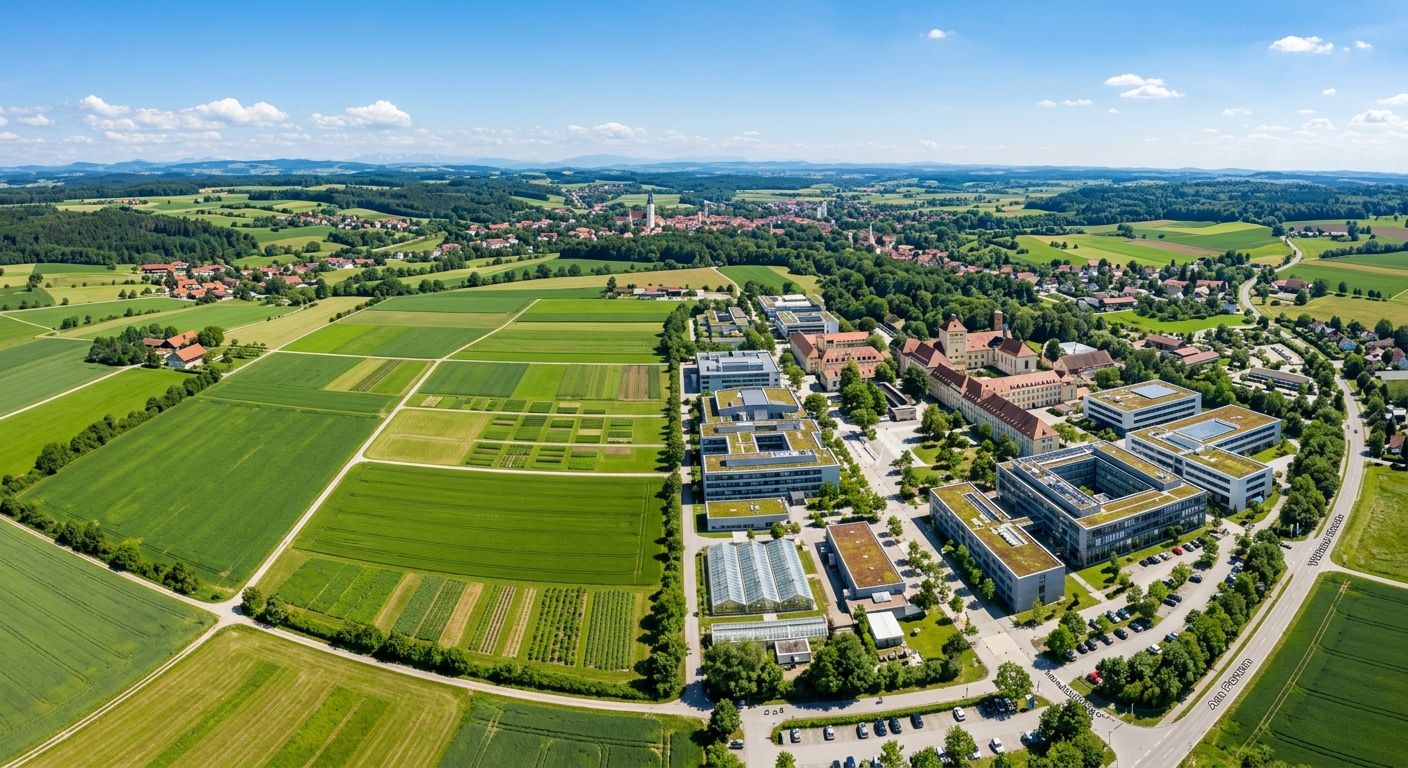
Housed within the TUM School of Life Sciences at the renowned Weihenstephan campus in Freising, you benefit from cutting-edge research facilities and a long tradition of excellence in agricultural and life sciences. The program's flexibility allows you to build a highly individual and interdisciplinary profile through a wide selection of elective modules and research projects.
Key Program Highlights
- Interdisciplinary curriculum spanning plant production, livestock systems, agroecosystems, agricultural economics, and agricultural technology
- Integrated research project and agricultural systems project forming the core of hands-on learning
- Option to spend a semester abroad at one of TUM's 170 partner universities during the 2nd or 3rd semester
- Ranked number 1 in Germany and number 6 worldwide in Agricultural Sciences according to the Shanghai Global Ranking of Academic Subjects 2025
Curriculum and Modules
The Agrosystem Sciences M.Sc. curriculum combines required core modules with a broad range of elective specializations. Students complete a compulsory Project: Agricultural Systems module and an individually chosen Research Project, while elective modules allow deep specialization in areas such as plant production systems, livestock production systems, agroecosystems, agricultural economics, and agricultural technology.
Project: Agricultural Systems
10 ECTSAn integrative project that examines agricultural systems holistically, requiring students to analyze interactions between crops, livestock, soil, technology, and socioeconomic factors at the farm and landscape level.
Research Project
10 ECTSAn individually chosen research project in which students design and conduct independent scientific research under faculty supervision, building essential skills for academic and applied careers.
Biometry and Econometrics in Agricultural Sciences
5 ECTSCovers experimental design, statistical analysis, and econometric modeling applied to agricultural research, enabling students to interpret complex data sets and draw evidence-based conclusions.
Agricultural Systems of the Future
5 ECTSExplores emerging technologies and selected research findings that form the foundation for future agricultural systems, differentiated by specialization areas such as plant production, livestock production, and agroecosystem management.
Interdisciplinary Perspectives in Agricultural Sciences
5 ECTSProvides insights into current agricultural science research topics from multiple disciplinary perspectives, fostering cross-system thinking and collaborative problem-solving skills.
Master's Thesis
30 ECTSA comprehensive independent research thesis completed in the fourth semester, demonstrating the student's ability to apply interdisciplinary scientific methods to solve complex problems in agrosystem sciences.
Elective Specialization Areas
Admission Requirements
Admission to the Agrosystem Sciences M.Sc. program is based on a qualification procedure that evaluates your academic background and motivation. Applicants must hold a qualifying bachelor's degree and demonstrate sufficient German language proficiency. Contact Uni4Edu for guidance through the entire application process.
Academic Requirements
- Bachelor's DegreeQualified bachelor's degree of at least six semesters (minimum 180 ECTS) in agricultural sciences, horticultural sciences, natural sciences, environmental sciences, economics, or a comparable program
- Minimum Credits at ApplicationAt least 140 ECTS completed at the time of application for a six-semester bachelor's program (170 ECTS for seven-semester programs)
- Aptitude AssessmentSuccessful completion of the aptitude assessment procedure evaluating academic prerequisites and motivation for the program
- Subject PrerequisitesFoundational coursework in biology, chemistry, mathematics, and agricultural or environmental sciences
- Academic PerformanceStrong academic record in the bachelor's degree; specific GPA thresholds are assessed during the aptitude procedure
Language Requirements
- German ProficiencySufficient German language skills required; evidence must be submitted before the application deadline (e.g., DSH-2, TestDaF 4x4, or equivalent)
- English ProficiencyEnglish language skills recommended for accessing international literature and elective courses taught in English
- Language Certificate SubmissionAll language certificates must be uploaded during the application period; contact Uni4Edu for details on accepted certificates
Required Documents
Application Deadlines
For personalized admission guidance, document verification, and application support, please contact Uni4Edu
Scholarships and Funding
Several scholarship opportunities are available to support international students pursuing the Agrosystem Sciences M.Sc. at TUM. From merit-based awards to need-based financial aid, these funding options can help ease the financial burden of studying in Germany. Contact Uni4Edu for personalized guidance on scholarship eligibility and applications.
Deutschlandstipendium
EUR 300 per monthA merit-based scholarship open to students of all nationalities, awarded based on academic performance, social commitment, and personal achievements. TUM awards around 800 of these scholarships each year, providing financial support along with mentoring and networking opportunities.
TUM Scholarship for International Students
EUR 500 to EUR 1,800 per semesterA one-time financial aid funded through Bavarian government resources, available to international students from the second semester onward. Students may reapply each semester, with a maximum funding period of 36 months.
DAAD Scholarships
Varies by programThe German Academic Exchange Service (DAAD) offers extensive funding for international students, covering living expenses, travel costs, and in some cases additional allowances. Multiple DAAD programs are available depending on your country of origin and academic profile.
For detailed tuition fee information, please contact Uni4Edu — we will guide you through the costs and available funding options for this program.
Career Prospects
Graduates of the Agrosystem Sciences M.Sc. program are well-prepared for diverse careers at the intersection of agriculture, technology, environmental management, and policy. The program's interdisciplinary training equips you with both scientific expertise and practical skills valued by employers across the agricultural and environmental sectors. TUM's strong industry connections and career services further enhance your employment prospects.
Potential Career Roles
Top Employers and Sectors
Rankings and Recognition
The Technical University of Munich is consistently ranked among the top universities in Europe and the world. TUM's agricultural and life sciences programs are particularly distinguished, with the university achieving top positions in major international rankings. These accolades reflect TUM's commitment to research excellence, innovative teaching, and strong graduate employability.
| Subject | Ranking Body | Rank |
|---|---|---|
| Agricultural Sciences | Shanghai (ARWU) | #1 in Germany, #6 Worldwide |
| Natural Sciences | QS World Rankings by Subject | #18 |
| Engineering and Technology | QS World Rankings by Subject | #19 |
| Life Sciences and Medicine | QS World Rankings by Subject | Top 50 |
How to Apply
Applying for this program is easy with Uni4Edu. Our team will guide you through every step of the process — from document preparation to final enrolment.
Contact Uni4Edu
Reach out to our team via email or phone. We will assess your profile and confirm your eligibility for this program.
Prepare Your Documents
Our advisors will provide you with a personalised checklist of required documents and help you prepare your application package.
Submit Your Application
Uni4Edu will submit your application on your behalf and keep you updated on its progress throughout the review period.
Receive Your Offer
Once accepted, we will help you understand your offer, arrange visa support if needed, and guide you through the enrolment process.
Similar Programmes
Bachelor's Degree
36 months
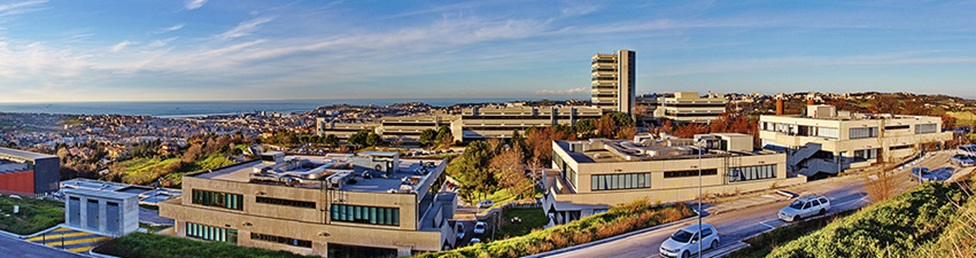
Innovative Agricultural Systems First Cycle

Marche Polytechnic University, Ancona, Italy
Earliest Intake
July 2026
Gross Tuition
468 €

Master's & Postgraduate
48 months
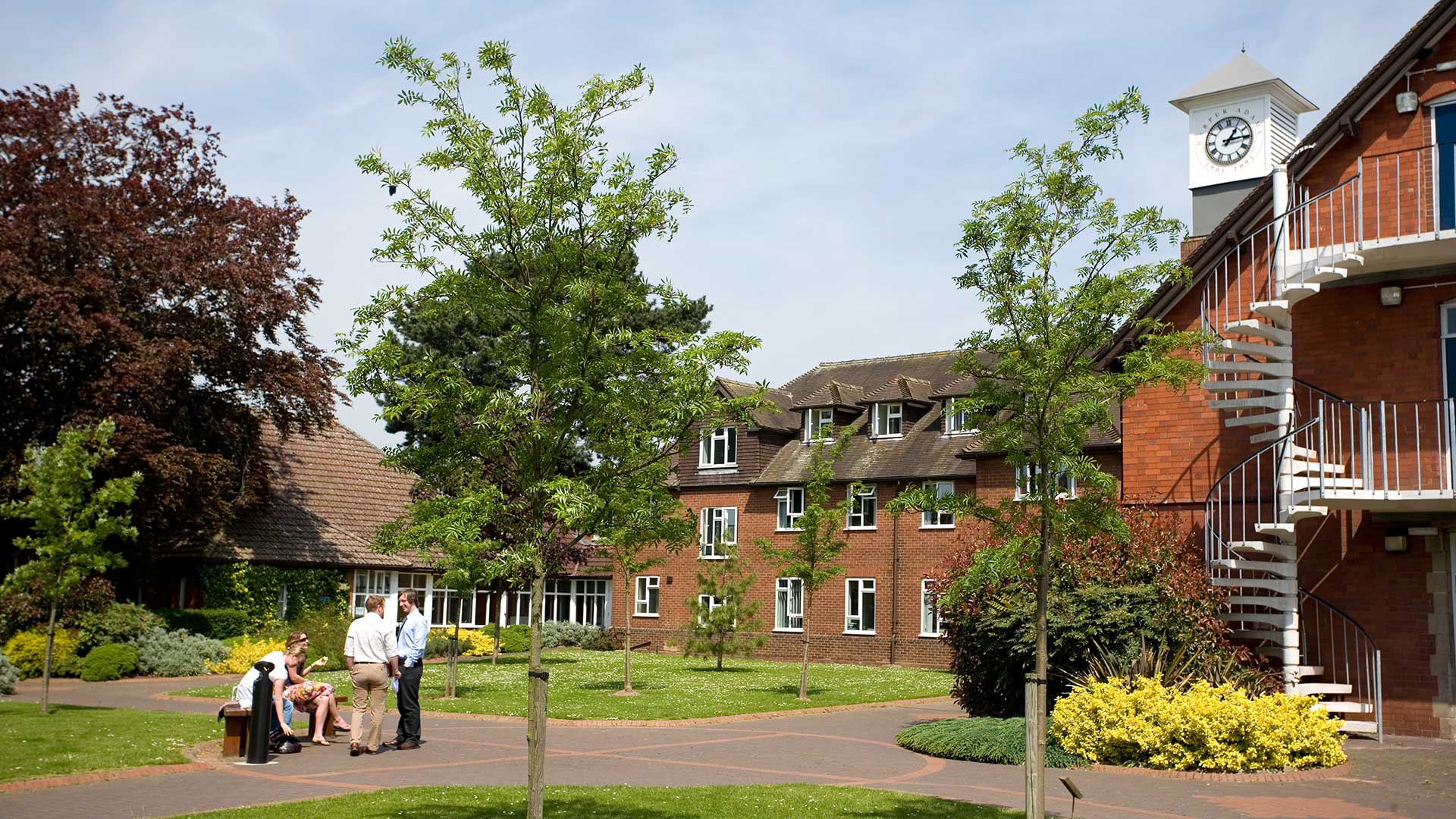
Agroecology and Sustainable Management in Agriculture Msc
Harper Adams University, , United Kingdom
Earliest Intake
May 2025
Gross Tuition
16500 £

Bachelor's Degree
36 months
Agriculture (Regenerative Systems and Livestock) BSc
Writtle University College, Chelmsford, United Kingdom
Earliest Intake
February 2026
Gross Tuition
16700 £

Master's & Postgraduate
8 months
Certificate in Environmental Interpretation
Texas State University, San Marcos, United States
Earliest Intake
February 2027
Gross Tuition
19200 $
Bachelor's Degree
48 months
Geographic Information Science
Texas State University, San Marcos, United States
Earliest Intake
December 2025
Gross Tuition
24520 $



Uni4Edu AI Assistant