Certificate in Environmental Interpretation
San Marcos, Texas, USA, United States

Certificate in Environmental Interpretation
Texas State University
Environmental Studies and Interpretation
Certificate in Environmental Interpretation at Texas State University
The Certificate in Environmental Interpretation at Texas State University equips students with the knowledge and practical skills needed to communicate environmental concepts effectively to diverse audiences. Housed within the Department of Geography and Environmental Studies, this program combines ecological science with interpretive communication techniques used in parks, nature centers, museums, and conservation organizations.
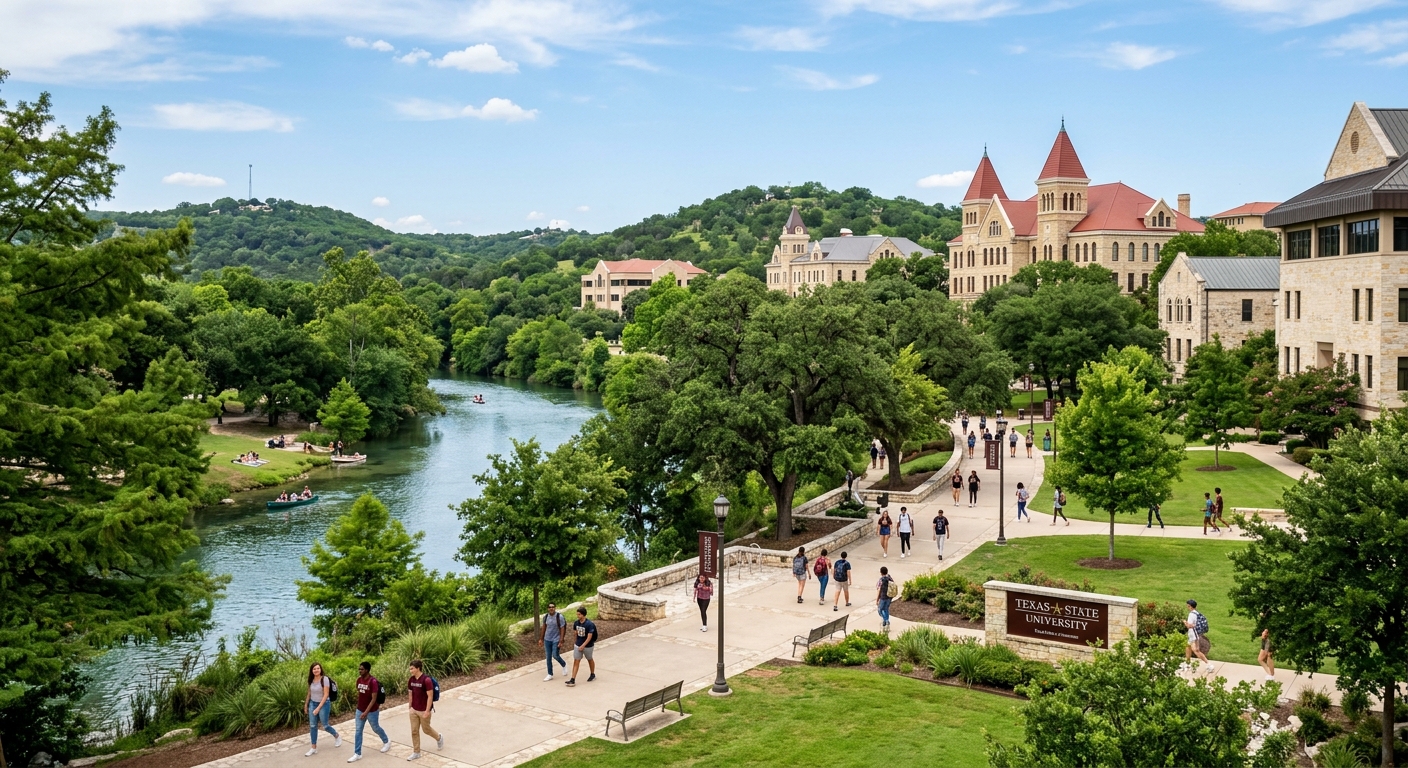
Texas State University's San Marcos campus provides an ideal setting for environmental interpretation studies, with the San Marcos Springs ecosystem, the Edwards Aquifer, and the Texas Hill Country serving as living laboratories. Students gain hands-on experience designing interpretive programs, creating educational materials, and leading nature-based programming in real-world settings.
This certificate is designed for environmental professionals, educators, and graduate students who wish to develop specialized competencies in translating complex environmental topics for public understanding. Graduates are prepared to work in national and state parks, nature centers, zoos, botanical gardens, and environmental nonprofit organizations.
Program Highlights
- Hands-on interpretive training in the ecologically rich Texas Hill Country and San Marcos Springs ecosystem
- Interdisciplinary curriculum bridging environmental science, communication, and education
- Faculty expertise in geography, environmental studies, biology, and nature-based tourism
- Practical skills applicable to careers in parks, museums, nature centers, and conservation organizations
Curriculum and Course Modules
The Certificate in Environmental Interpretation curriculum combines core coursework in environmental science and interpretive methods with elective options that allow you to tailor the program to your career goals. Students develop skills in program design, audience engagement, and science communication through both classroom instruction and field-based learning experiences.
Interpretive Biology Programming and Design
3 Credit HoursExplores the methods and principles used by the National Park Service, museums, environmental centers, and state park systems to interpret biology and natural environments for diverse audiences. Students practice personal and non-personal interpretation by creating outreach programs, interpretive literature, and other media.
Environmental Studies and Sustainability
3 Credit HoursExamines human interactions with the natural environment and the principles of sustainability. Students explore environmental challenges, policy frameworks, and strategies for communicating environmental issues to the public.
Nature and Heritage Tourism
3 Credit HoursInvestigates the planning, management, and interpretation of natural and cultural heritage sites for tourism. Topics include visitor management, sustainable tourism practices, and the role of interpretation in enhancing visitor experiences.
Natural Resources and Conservation
3 Credit HoursCovers the principles of natural resource management and conservation, including biodiversity, ecosystem services, and land-use planning. Students learn to communicate conservation concepts through interpretive frameworks.
Cultural and Political Ecology
3 Credit HoursExamines cultural and political ecology using concepts of culture formation, biological ecology, and social power to understand processes of adaptation. Provides a holistic means to interpret both pre-modern and modern cultures as they relate to their biophysical environment.
Field Methods in Environmental Studies
3 Credit HoursProvides practical training in field-based data collection, environmental monitoring, and site assessment. Students apply field techniques to real-world environmental interpretation projects in the Texas Hill Country region.
Elective Options
Admission Requirements
Admission to the Certificate in Environmental Interpretation at Texas State University requires a completed bachelor's degree and supporting academic documents. All applications and inquiries are handled through Uni4Edu, which will guide you through every step of the process.
Academic Requirements
- Academic QualificationBaccalaureate degree from a regionally accredited university or international equivalent of a four-year U.S. bachelor's degree
- Minimum GPA2.5 overall GPA or 2.5 GPA in the last 60 semester hours of undergraduate coursework
- Graduate GPA (if applicable)Minimum 3.0 GPA in all completed graduate coursework
- Program Completion GPAMust maintain a minimum 3.0 GPA to receive the certificate
- Minimum Course GradeA final course grade of C or higher is required for each graduate course applied toward the certificate
English Language Requirements
- TOEFL iBTMinimum 78 overall score
- IELTS (Academic)Minimum 6.5 overall with no individual module below 6.0
- Duolingo English TestMinimum 110 overall score
Required Documents
Application Deadlines
For personalized admission guidance, document verification, and application support, please contact Uni4Edu
Scholarships and Funding
Texas State University and Uni4Edu offer various funding opportunities to support students pursuing the Certificate in Environmental Interpretation. Contact Uni4Edu for personalized guidance on scholarships and financial assistance options available to you.
Texas State Graduate Scholarship
Merit-based scholarships available to graduate certificate students who demonstrate strong academic performance. Awards vary by department and availability each semester.
For detailed tuition fee information, please contact Uni4Edu — we will guide you through the costs and available funding options for this program.
Career Prospects
Graduates of the Certificate in Environmental Interpretation are prepared for rewarding careers that combine environmental science knowledge with public communication and education skills. The growing demand for environmental education, sustainable tourism, and conservation outreach creates strong career opportunities across government agencies, nonprofit organizations, and the private sector.
Potential Career Roles
Potential Employers
Rankings and Recognition
Texas State University is a large public research institution located in San Marcos, Texas, recognized for its strong programs in geography, environmental studies, and sustainability. The university has been named a Green College by The Princeton Review for its commitment to outdoor life and sustainability.
| Subject | Ranking Body | Rank |
|---|---|---|
| Geography Department Size | U.S. News (User Reviews) | Largest in the U.S. (35+ faculty) |
| Overall National Ranking (Texas) | College Factual | #16 in Texas |
| Green College Designation | The Princeton Review | Named Green College |
| Best Online Programs for Veterans | U.S. News & World Report | Ranked (2026) |
How to Apply
Applying for this program is easy with Uni4Edu. Our team will guide you through every step of the process — from document preparation to final enrolment.
Contact Uni4Edu
Reach out to our team via email or phone. We will assess your profile and confirm your eligibility for this program.
Prepare Your Documents
Our advisors will provide you with a personalised checklist of required documents and help you prepare your application package.
Submit Your Application
Uni4Edu will submit your application on your behalf and keep you updated on its progress throughout the review period.
Receive Your Offer
Once accepted, we will help you understand your offer, arrange visa support if needed, and guide you through the enrolment process.
Similar Programmes
Bachelor's Degree
36 months
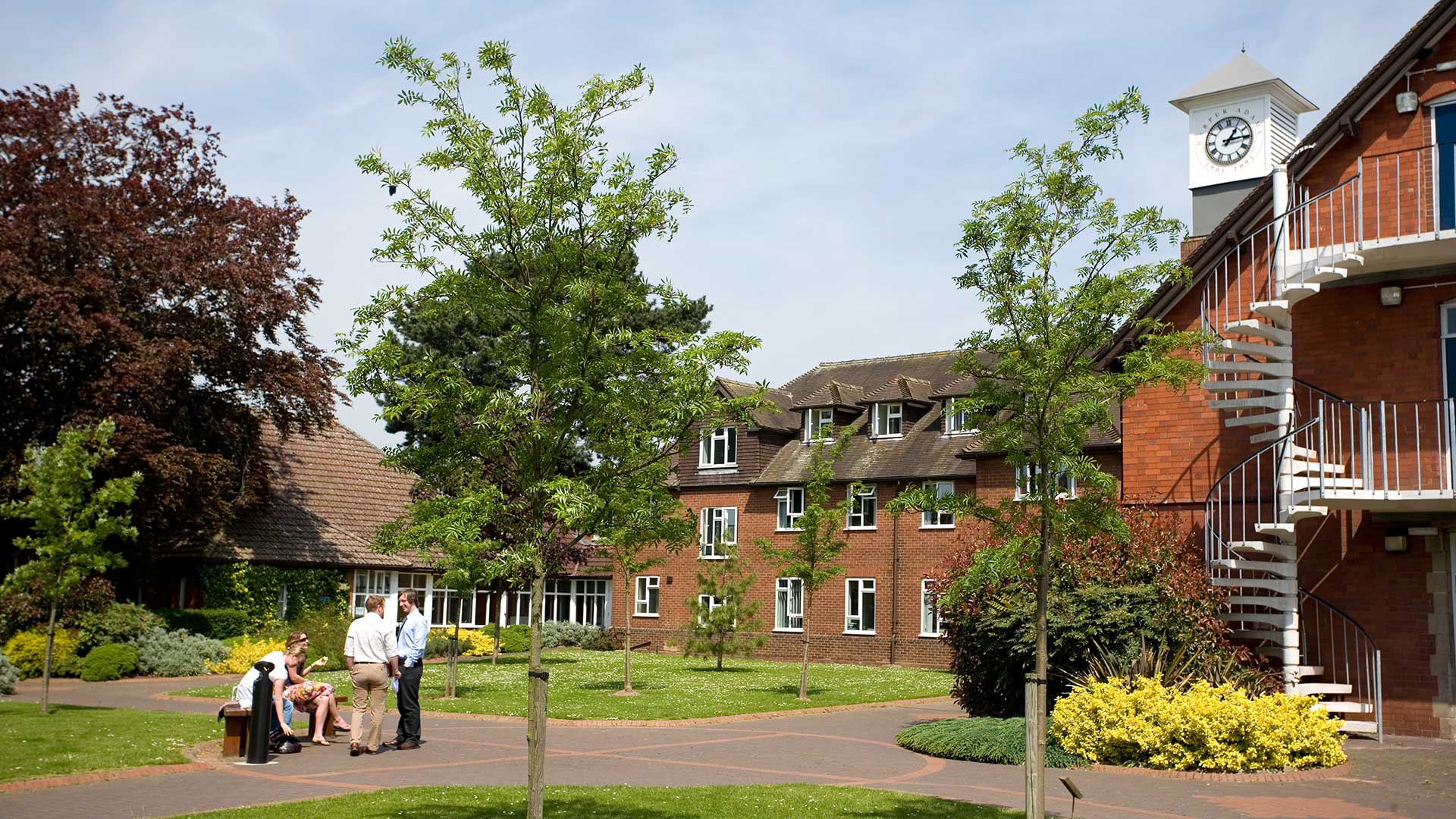
Innovative Agricultural Systems First Cycle

Marche Polytechnic University, Ancona, Italy
Earliest Intake
July 2026
Gross Tuition
468 €

Master's & Postgraduate
48 months
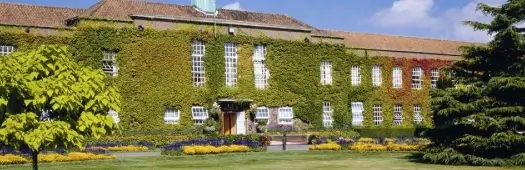
Agroecology and Sustainable Management in Agriculture Msc
Harper Adams University, , United Kingdom
Earliest Intake
May 2025
Gross Tuition
16500 £

Bachelor's Degree
36 months
Agriculture (Regenerative Systems and Livestock) BSc
Writtle University College, Chelmsford, United Kingdom
Earliest Intake
February 2026
Gross Tuition
16700 £

Master's & Postgraduate
24 months
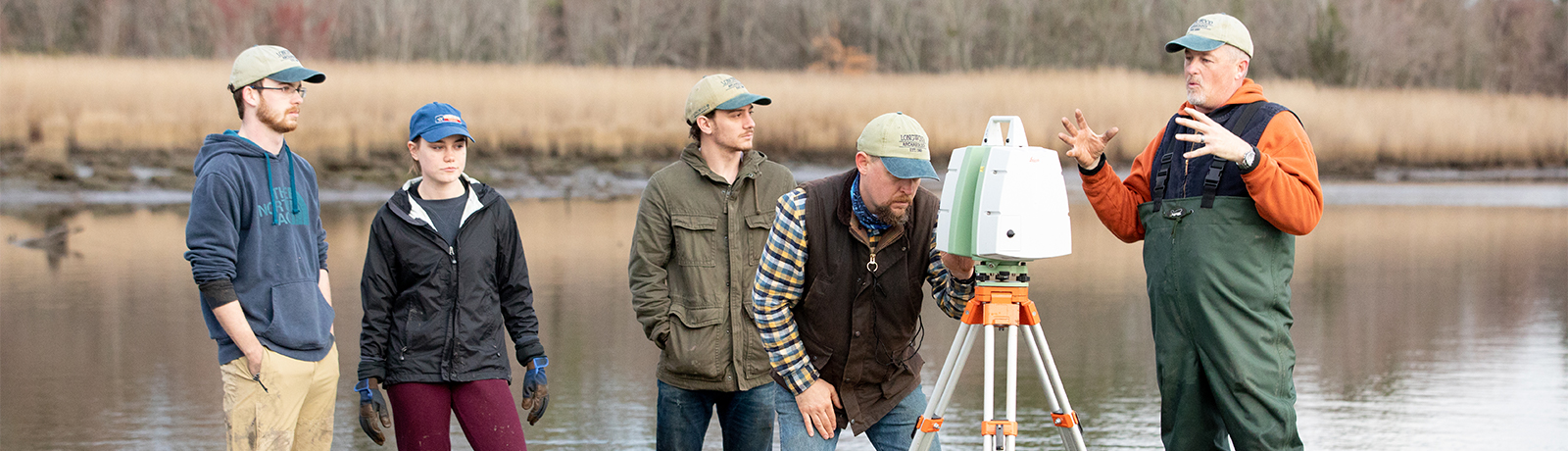
Agrosystem Sciences (M.Sc.)
Technical University of Munich (TUM), Munich, Germany
Earliest Intake
April 2026
Gross Tuition
4000 €

Bachelor's Degree
48 months
Geographic Information Science
Texas State University, San Marcos, United States
Earliest Intake
December 2025
Gross Tuition
24520 $



Uni4Edu AI Assistant