

Film and Screen Studies by Advanced Study MPhil
University of Cambridge, United Kingdom

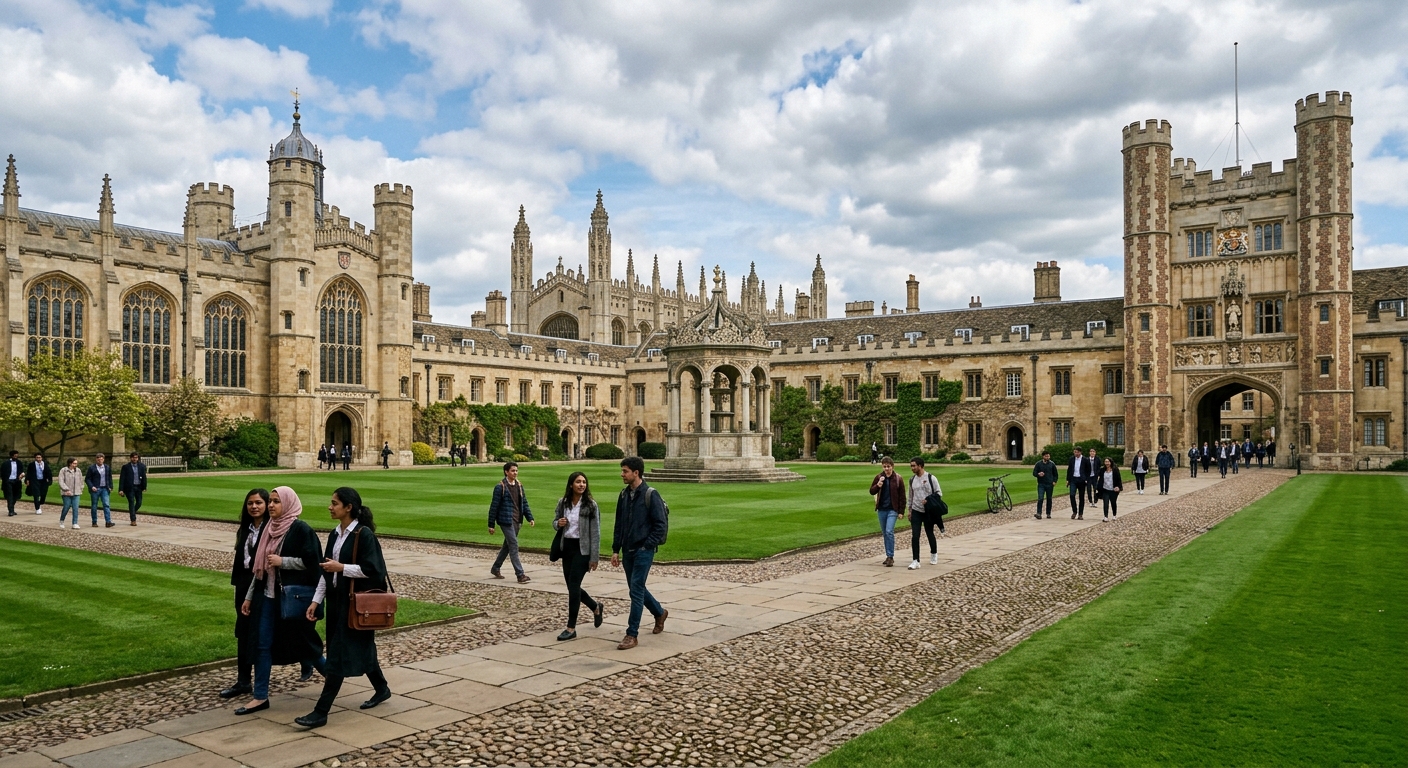
MPhil in Film and Screen Studies by Advanced Study
University of Cambridge
Film and Screen Studies
Program Overview: MPhil in Film and Screen Studies by Advanced Study
The MPhil in Film and Screen Studies by Advanced Study at the University of Cambridge provides advanced training in the theory and history of film and other screen media within an interdisciplinary context. The moving image is explored in relation to modern and contemporary culture, as well as the history and theory of other media including literature, music, the visual arts, architecture, and the digital.
Offered by the Faculty of Modern and Medieval Languages and Linguistics (MMLL), this nine-month full-time programme introduces students to research skills and specialist knowledge. Students are immersed in a research environment that emphasises work on geopolitics, early cinema, art cinema and the avant-garde, theory, aesthetics, and gender and sexuality.
The programme is also designed as a foundation for continuation to PhD research in film and screen studies. Through taught classes and closely supervised individual research, you will develop a historically and theoretically informed approach to studying screen media in their cultural contexts.
Key Program Highlights
- Interdisciplinary approach combining film studies with literature, music, visual arts, architecture, and digital media
- Direct pathway to PhD research in Film and Screen Studies at Cambridge with a distinction-level MPhil result
- Access to leading scholars through fortnightly research events, master class seminars, and guest lectures
- Combination of taught elements and individual research culminating in essays and a 15,000-word dissertation
Curriculum and Modules
The MPhil by Advanced Study combines taught coursework with independent research across three Cambridge terms. During Michaelmas Term, students attend the Core Course, while Lent Term features specialised module options delivered through weekly group seminars of 1.5 to 2 hours. The Easter Term is devoted to writing a 15,000-word dissertation under the guidance of a specialist supervisor.
Core Course in Film and Screen Studies
Core (Michaelmas Term)A foundational course covering key theoretical discourses, methodologies, and debates that shape the academic study of the moving image. This module provides a broad grounding for all MPhil students.
Film Theory and Aesthetics
Elective Module (Lent Term)Explores major theoretical frameworks and aesthetic approaches to cinema, examining how critical thought has shaped the understanding of film as an art form and cultural practice.
Early Cinema and Modernity
Elective Module (Lent Term)Investigates the emergence of cinema in relation to broader developments in modern culture, technology, and visual experience from the late nineteenth century through the early twentieth century.
Art Cinema and the Avant-Garde
Elective Module (Lent Term)Examines the traditions of art cinema and avant-garde filmmaking, analysing how experimental approaches to the moving image challenge and expand conventional narrative and aesthetic forms.
Screen Media, Gender, and Sexuality
Elective Module (Lent Term)Analyses representations and constructions of gender and sexuality across screen media, drawing on feminist, queer, and cultural theory to interrogate the politics of the moving image.
MPhil Dissertation
Core (Easter Term)A 15,000-word dissertation representing an original contribution to learning. Topics are chosen in consultation with supervisors and approved by the Faculty Degree Committee.
Additional Elective and Cross-Listed Options
Admission Requirements
Admission to the MPhil in Film and Screen Studies by Advanced Study is competitive and selective. Applicants from diverse academic backgrounds are welcome, including those with degrees in film, media studies, literary studies, art history, and related disciplines. While prior experience in film and media studies is not assumed, the programme is not designed as an introduction to the discipline. Contact Uni4Edu for guidance on your application.
Academic Requirements
- Minimum Degree ClassificationUK High Upper Second Class (2:1) Honours Degree or international equivalent
- Relevant Academic BackgroundDegrees in film, media studies, literary studies, art history, or related humanities disciplines
- Writing SampleApproximately 3,000-word single-authored academic essay or dissertation excerpt in English
- Research ProposalA statement outlining proposed research interests and dissertation topic
- ReferencesTwo academic references from individuals who can assess your suitability for advanced postgraduate study
English Language Requirements
- IELTS AcademicMinimum overall score of 7.5 with no element below 7.0
- TOEFL iBTMinimum overall score of 110
- Cambridge C1 Advanced (CAE)Grade A or B (overall score of 193, with no element lower than 185)
Required Application Documents
Application Deadlines
For personalized admission guidance, document verification, and application support, please contact Uni4Edu
Scholarships and Funding
There are many funding opportunities available at Cambridge from a wide variety of sources including the Cambridge Trust, Gates Cambridge, individual Colleges, Research Councils, and central University funds. Competition for funding is extremely high, so Uni4Edu strongly advises applicants to explore all available options early in the application process.
Gates Cambridge Scholarship
Full cost of study (tuition, maintenance, travel)One of the most prestigious international scholarships, the Gates Cambridge Scholarship is open to outstanding applicants from outside the UK. It covers the full cost of studying at Cambridge including tuition fees, a maintenance allowance, and travel costs.
Cambridge Trust Scholarships
Varies — partial to full funding availableThe Cambridge Trust offers a range of scholarships for both UK and international postgraduate students. Awards vary in value and may cover tuition fees, maintenance costs, or both. Applicants are automatically considered when they apply by the funding deadline.
College-Based Awards and Bursaries
Varies by CollegeMany of Cambridge's 31 Colleges offer their own scholarships, bursaries, and hardship funds for postgraduate students. These awards vary in eligibility criteria and value. Contact Uni4Edu for help identifying College-specific funding opportunities relevant to your profile.
For detailed tuition fee information, please contact Uni4Edu — we will guide you through the costs and available funding options for this program.
Career Prospects
Graduates of the MPhil in Film and Screen Studies by Advanced Study are well prepared for a range of careers in academia, the creative industries, and the cultural sector. The programme develops advanced analytical, research, and communication skills that are highly valued by employers across multiple fields. Many graduates continue to PhD research, while others move directly into professional roles in media, arts, and education.
Potential Career Paths
Sectors and Employers Hiring Graduates
Rankings and Recognition
The University of Cambridge is consistently ranked among the top universities in the world by all major ranking bodies. Its strength in the arts and humanities, including film and screen studies, reflects centuries of academic excellence and a commitment to interdisciplinary research and teaching.
| Subject | Ranking Body | Rank |
|---|---|---|
| Arts and Humanities | QS World Rankings by Subject | Top 5 |
| English Language and Literature | QS World Rankings by Subject | Top 5 |
| Performing Arts | QS World Rankings by Subject | Top 10 |
| Modern Languages | QS World Rankings by Subject | Top 10 |
How to Apply
Applying for this program is easy with Uni4Edu. Our team will guide you through every step of the process — from document preparation to final enrolment.
Contact Uni4Edu
Reach out to our team via email or phone. We will assess your profile and confirm your eligibility for this program.
Prepare Your Documents
Our advisors will provide you with a personalised checklist of required documents and help you prepare your application package.
Submit Your Application
Uni4Edu will submit your application on your behalf and keep you updated on its progress throughout the review period.
Receive Your Offer
Once accepted, we will help you understand your offer, arrange visa support if needed, and guide you through the enrolment process.
Similar Programmes
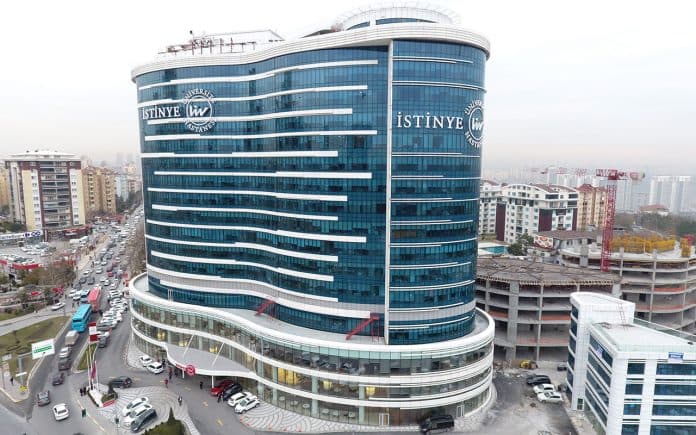

Master's & Postgraduate
24 months
Cinema and Television (English) Master's Degree (With Thesis)

Istinye University, Zeytinburnu, Turkey
Earliest Intake
March 2026
Gross Tuition
6864 $

Bachelor's Degree
48 months
Radio, Television and Cinema Double Major Program
Kadir Has University, Fatih, Turkey
Earliest Intake
January 2026
Gross Tuition
15000 $
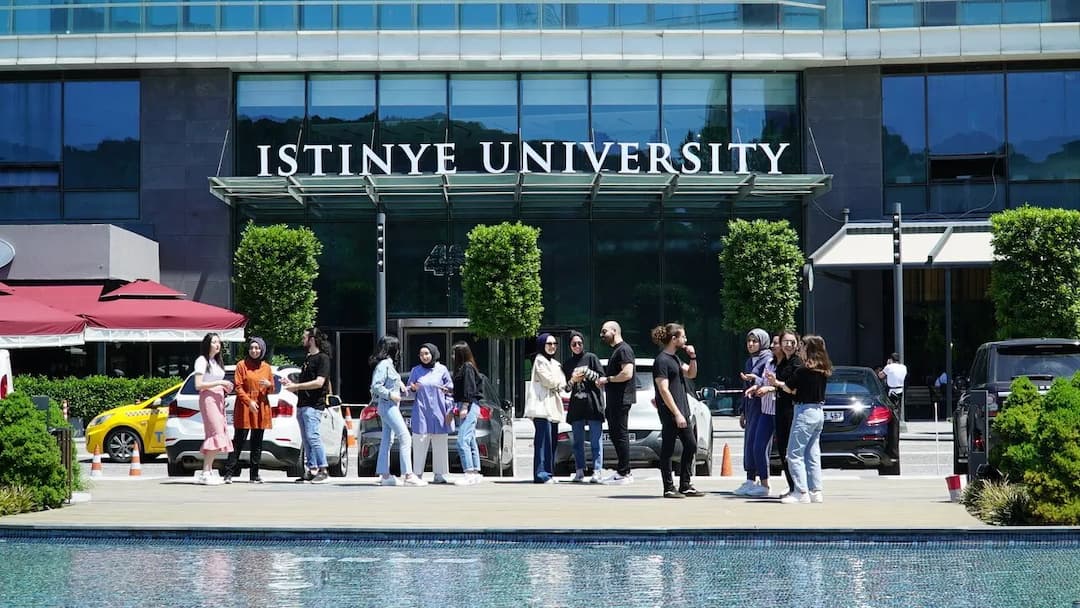
Bachelor's Degree
48 months
Radio, Television and Cinema (Eng)
Istinye University, Zeytinburnu, Turkey
Earliest Intake
March 2026
Gross Tuition
6000 $
Master's & Postgraduate
24 months
Audiovisual and Cinema Studies
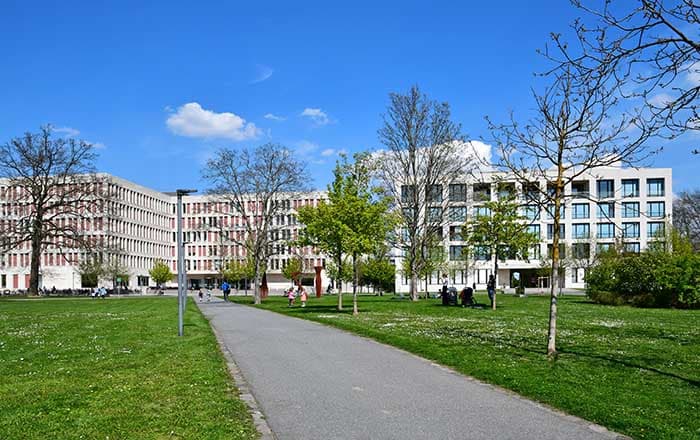
University of Frankfurt (Goethe University Frankfurt), Frankfurt am Main, Germany
Earliest Intake
May 2026
Gross Tuition
800 €
Bachelor's Degree
48 months
Cinema and Television
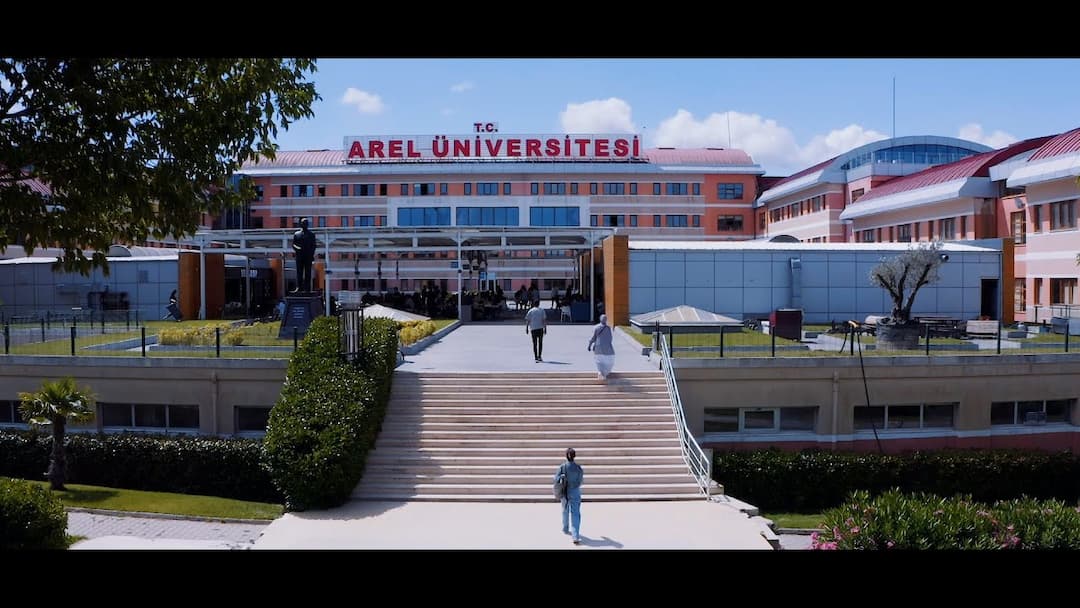
Arel University, Büyükçekmece, Turkey
Earliest Intake
December 2026
Gross Tuition
3100 $



Uni4Edu AI Assistant
