Audiovisual and Cinema Studies
University of Frankfurt (Goethe University Frankfurt), Germany
International Master in Audiovisual and Cinema Studies (IMACS)
Goethe University Frankfurt
Film and Media Studies
Program Overview: International Master in Audiovisual and Cinema Studies
The International Master in Audiovisual and Cinema Studies (IMACS) at Goethe University Frankfurt is a research-oriented postgraduate program that provides advanced academic training in film and audiovisual media. It serves as a scientific qualification for graduates of film and media studies, philology, art and music studies, and philosophy programs from Germany and around the world.
The program offers in-depth knowledge of the history and theory of film and audiovisual media, equipping you with the skills to reflect on current aesthetic issues, conduct competent analyses of audiovisual texts and formats, and carry out independent research. Teaching covers film analysis, film history, film aesthetics, film philosophy, media aesthetics, experimental film, queer theory, and non-canonical audiovisual forms such as scientific, industrial, and educational film.
A defining feature of this program is its international network of over 15 partner universities spanning France, Italy, the United Kingdom, Spain, Belgium, Sweden, Canada, Brazil, and the Netherlands. Students benefit from close cooperation with the DFF - Deutsches Filminstitut and Filmmuseum, the F.W. Murnau Foundation in Wiesbaden, and the Kinothek Asta Nielsen, gaining unique access to archival resources and film culture institutions.
Key Program Highlights
- Part of an international consortium of 17 prestigious universities across Europe, Canada, and Brazil, offering unparalleled mobility and cross-cultural academic exchange.
- Interdisciplinary curriculum drawing on contributions from Philosophy, Art History, German Studies, and American Studies departments alongside the Institute for Theater, Film, and Media Studies.
- Close institutional partnerships with the DFF - Deutsches Filminstitut and Filmmuseum and the F.W. Murnau Foundation providing hands-on access to film archives and cultural programming.
- Includes the renowned Kracauer Lectures in Film and Media Theory and the Lecture and Film series, both held in English, broadening your theoretical and practical perspectives.
Curriculum and Modules
The IMACS curriculum is structured around a series of core modules that cover the essential subjects of film and media studies across four semesters. The program emphasizes both theoretical depth and independent research, with the final master's thesis counting for the equivalent of at least one full semester of study.
Film Analysis and Aesthetics
15 ECTSThis module provides advanced training in the close analysis of films and audiovisual media, covering formal, narrative, and aesthetic dimensions. You will develop rigorous analytical frameworks for interpreting cinematic texts across genres and historical periods.
Film History and Historiography
15 ECTSExplore the history of cinema from its origins to the present day, with attention to historiographical methods and debates. The module examines canonical and non-canonical film traditions, including industrial, scientific, and educational film.
Film Philosophy and Media Theory
15 ECTSEngage with key philosophical approaches to film and moving images, drawing on the Frankfurt School tradition and contemporary media theory. Topics include perception, spectatorship, phenomenology, and the ontology of the moving image.
Media Aesthetics and Experimental Cinema
15 ECTSThis module focuses on experimental and avant-garde film practices, media aesthetics, and the intersections between cinema and other art forms. You will study non-mainstream audiovisual forms and their cultural significance.
Interdisciplinary Perspectives on Audiovisual Culture
15 ECTSDrawing on contributions from Art History, Philosophy, German Studies, and American Studies, this module encourages cross-disciplinary approaches to understanding audiovisual culture in broader social and intellectual contexts.
Master's Thesis Module
30 ECTSThe thesis module requires you to produce an original, research-based dissertation on a topic within film and audiovisual studies. Personal research and writing play a central role, with the thesis representing a substantial portion of the overall degree.
Elective Specializations
Admission Requirements
Admission to the International Master in Audiovisual and Cinema Studies is highly selective, with only a small number of students admitted each year. To be considered, you must demonstrate strong academic preparation in film studies or a closely related discipline. Apply through Uni4Edu for personalized guidance throughout the admissions process.
Academic Requirements
- Bachelor's DegreeA completed bachelor's degree in Theater, Film, and Media Studies, Film Studies, Media Studies, or a related field such as Philology, Art History, or Social Sciences with a minimum of 6 semesters (180 CP).
- Transcript and Course ListIf your degree is not from Goethe University's Theater, Film, and Media Studies program, you must submit a transcript and list of study-related courses including titles, credit points, and grades.
- Relevant CourseworkYour prior studies should include coursework in theory, aesthetics, history, and analysis of film and media.
- Minimum Credit CompletionAt least 80% of required credit points from your bachelor's program (typically 144 CP) must be completed at the time of application.
- Bachelor's ThesisYour bachelor's thesis must be completed or near completion. If still in progress, include a letter of recommendation and enrollment certification.
Language Requirements
- English ProficiencyB2 level (CEFR) demonstrated through a standardized test or equivalent qualification.
- Second Foreign LanguageB2 level proficiency in French or Italian, demonstrated through a standardized test or equivalent qualification.
- German LanguageGerman proficiency is recommended as the primary language of instruction is German, though several courses per semester are offered in English.
Required Documents
Application Deadlines
For personalized admission guidance, document verification, and application support, please contact Uni4Edu
Scholarships and Funding
As a public German university, Goethe University Frankfurt offers an affordable study environment. Several scholarship opportunities are available to support international students pursuing the IMACS program. Contact Uni4Edu for personalized assistance in identifying and applying for suitable funding options.
DAAD Scholarships for International Students
The German Academic Exchange Service (DAAD) offers a range of scholarships for international master's students studying in Germany, covering living expenses and potentially travel costs.
Deutschlandstipendium (Germany Scholarship)
EUR 300 per monthA merit-based national scholarship funded jointly by the federal government and private sponsors, available to high-achieving students regardless of nationality.
For detailed tuition fee information, please contact Uni4Edu — we will guide you through the costs and available funding options for this program.
Career Prospects
Graduates of the International Master in Audiovisual and Cinema Studies are equipped for careers at the intersection of academia, cultural institutions, and the media industry. The program's research-oriented approach and international network prepare you for advanced scholarly work as well as professional roles in film culture, media analysis, and creative industries.
Potential Career Paths
Potential Employers and Institutions
Rankings and Recognition
Goethe University Frankfurt is a leading research university in Germany with strong international standing. The university is recognized across multiple global ranking systems, and its Institute for Theater, Film, and Media Studies has a distinguished reputation in film scholarship, rooted in Frankfurt's long tradition of critical theory and media research.
| Subject | Ranking Body | Rank |
|---|---|---|
| Philosophy | QS World University Rankings by Subject | #38 |
| Arts and Humanities | THE World University Rankings by Subject | Top 200 |
| Classics and Ancient History | QS World University Rankings by Subject | Top 150 |
| Performing Arts | QS World University Rankings by Subject | Contact Uni4Edu for current data |
How to Apply
Applying for this program is easy with Uni4Edu. Our team will guide you through every step of the process — from document preparation to final enrolment.
Contact Uni4Edu
Reach out to our team via email or phone. We will assess your profile and confirm your eligibility for this program.
Prepare Your Documents
Our advisors will provide you with a personalised checklist of required documents and help you prepare your application package.
Submit Your Application
Uni4Edu will submit your application on your behalf and keep you updated on its progress throughout the review period.
Receive Your Offer
Once accepted, we will help you understand your offer, arrange visa support if needed, and guide you through the enrolment process.
Similar Programmes
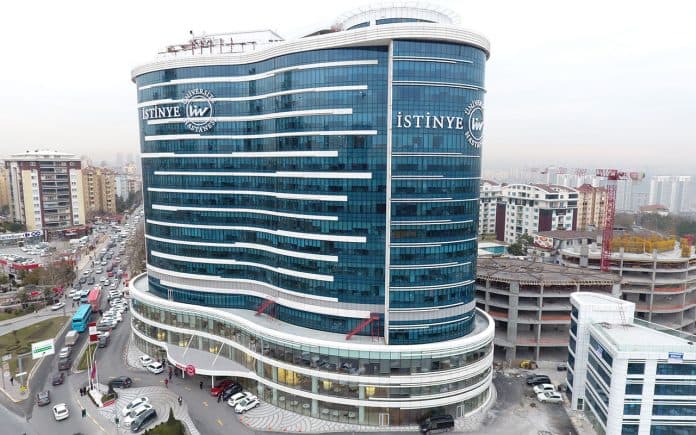

Master's & Postgraduate
24 months
Cinema and Television (English) Master's Degree (With Thesis)

Istinye University, Zeytinburnu, Turkey
Earliest Intake
March 2026
Gross Tuition
6864 $
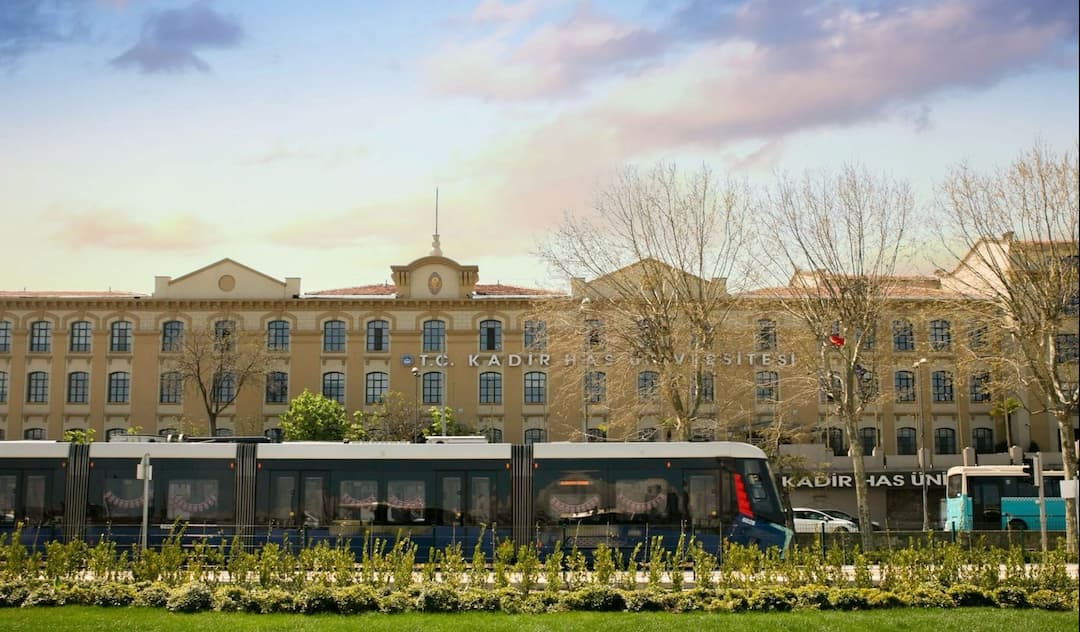
Bachelor's Degree
48 months
Radio, Television and Cinema Double Major Program
Kadir Has University, Fatih, Turkey
Earliest Intake
January 2026
Gross Tuition
15000 $

Master's & Postgraduate
9 months
Film and Screen Studies by Advanced Study MPhil
University of Cambridge, , United Kingdom
Earliest Intake
January 2027
Gross Tuition
52751 £
Bachelor's Degree
48 months
Radio, Television and Cinema (Eng)
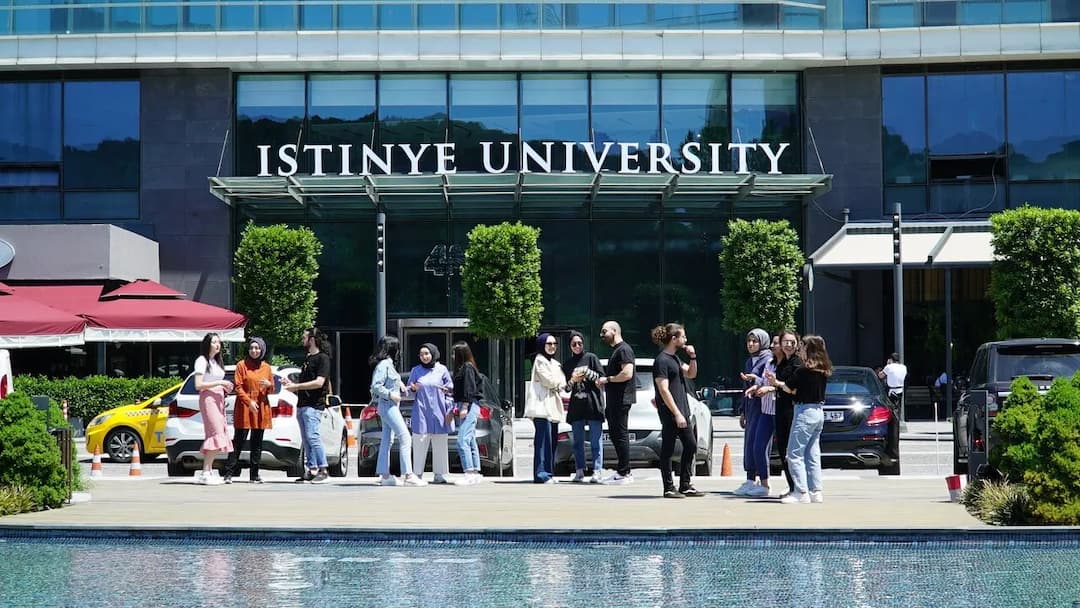
Istinye University, Zeytinburnu, Turkey
Earliest Intake
March 2026
Gross Tuition
6000 $
Bachelor's Degree
48 months
Cinema and Television
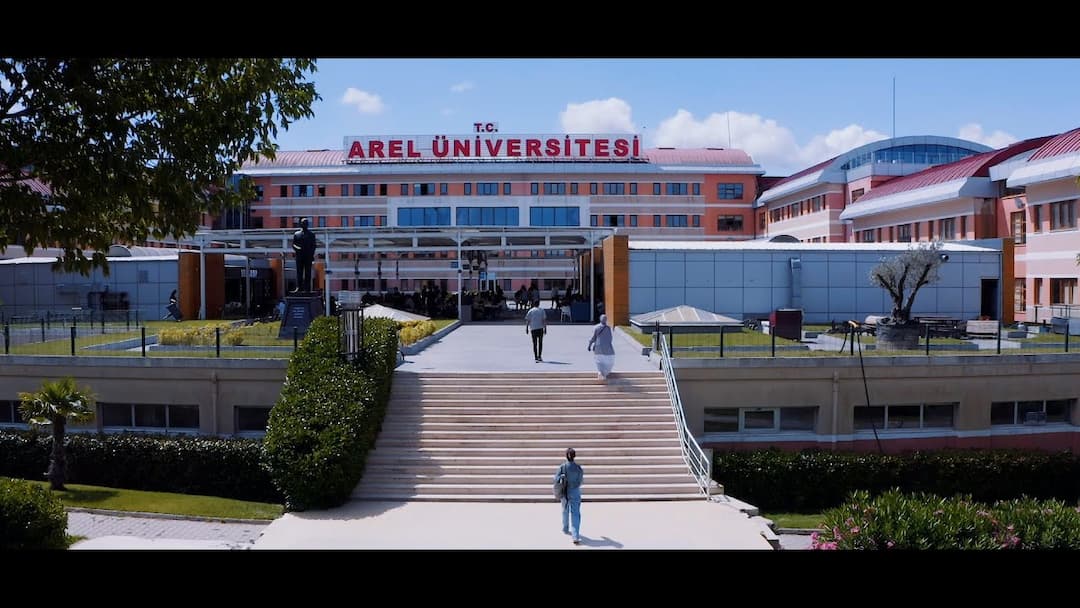
Arel University, Büyükçekmece, Turkey
Earliest Intake
December 2026
Gross Tuition
3100 $



Uni4Edu AI Assistant