Living Planet with Computational Methods in Ecology and Evolution MRes
Imperial College London Silwood Park, United Kingdom
Living Planet with Computational Methods in Ecology and Evolution MRes
Imperial College London
Computational Ecology and Evolution
Program Overview: MRes Living Planet with Computational Methods in Ecology and Evolution
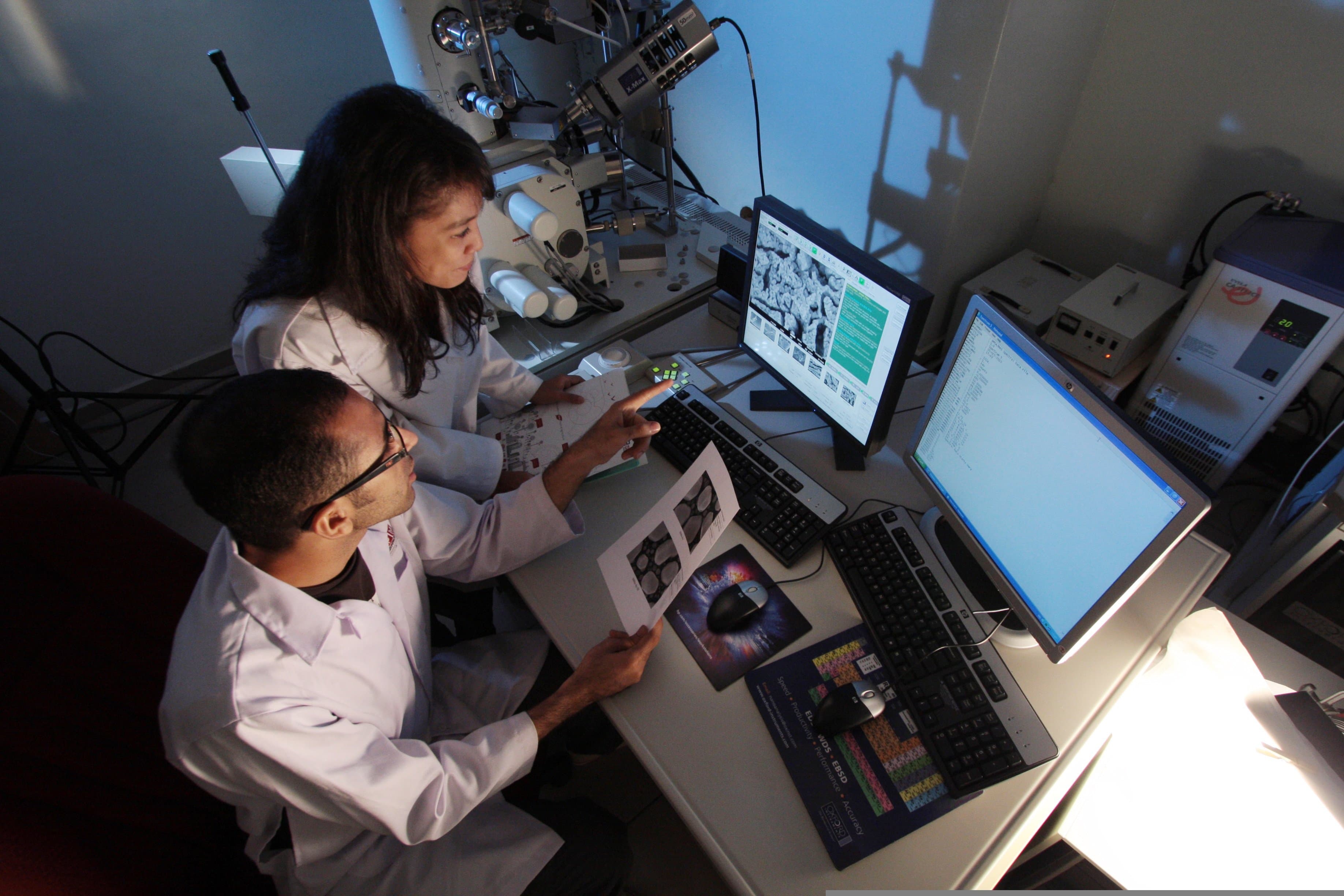
The MRes Living Planet with Computational Methods in Ecology and Evolution at Imperial College London trains you in cutting-edge quantitative techniques in ecology and evolution with applications to a wide range of real-world problems. These include ecosystem-based solutions for industrial bioprocessing, improving food production in agroecosystems, nature-based carbon capture, and biodiversity conservation.
Along with coursework on cutting-edge topics in quantitative ecology and evolution, you will carry out an extended piece of independent research across an 8-month project, where you will apply your growing range of skills and advance your project management capabilities. The MRes Living Planet course will equip you to tackle the great environmental challenges facing the world, providing training on the transferable research skills you need to develop science-based understanding and interventions.
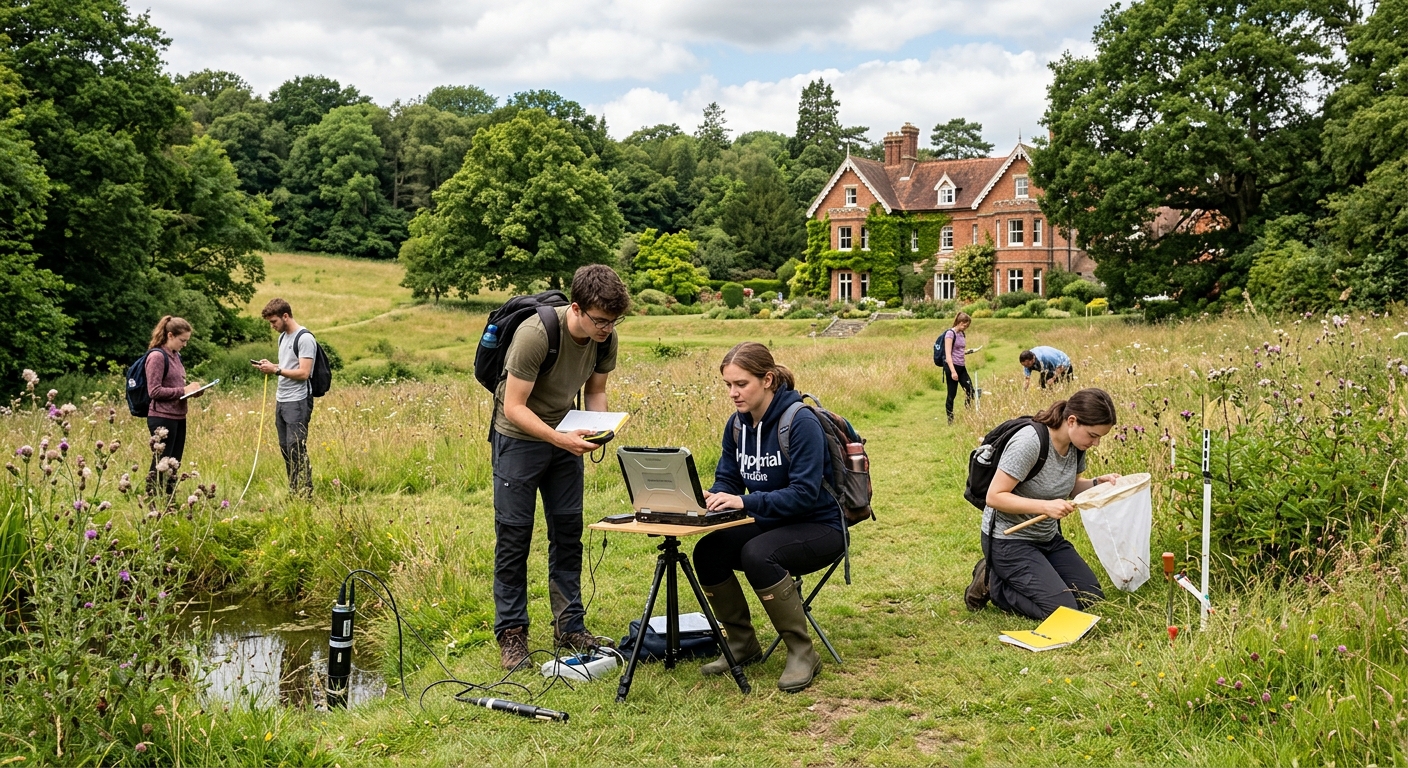
Based at Imperial's Silwood Park campus, a dedicated centre for ecological and environmental research, you will learn how modern high-performance scientific computing can tackle research problems and explore fundamental concepts and techniques in computational biology. Quantitative skills are a critical limiting factor in modern biology, and this program enables you to learn those skills at one of the leading institutions for quantitative biology.
Key Program Highlights
- Extended 8-month independent research project with the opportunity to incorporate external placements
- Training in cutting-edge quantitative and computational techniques applied to real-world ecological problems
- Based at Silwood Park, Imperial's dedicated living laboratory for environmental science and ecology
- Available in both full-time and part-time study modes to suit your schedule
Curriculum and Modules
The MRes curriculum combines compulsory core modules in the Autumn term with specialist computational ecology modules and an extended independent research project. You will complete compulsory modules designed to give you the core skills needed to understand, interpret, and conduct independent research, followed by specialised training in computational methods in ecology and evolution.
Introduces modern data collection and experimental methods, along with state-of-the-art techniques in data science, geographic information systems (GIS), genomics, bioinformatics, and data interpretation.
Covers fundamental concepts and techniques in computational biology, exploring how biology is spurring major new developments in computation, mathematics, and statistics.
Teaches you how modern high-performance scientific computing can tackle complex research problems in ecology, evolution, and environmental science.
Provides advanced training in quantitative techniques applied to ecological and evolutionary questions, including statistical modelling and data analysis frameworks.
Covers statistical methods essential for biological research, including experimental design, hypothesis testing, and advanced analytical approaches for ecological data.
Elective Modules
Admission Requirements
Imperial considers all applicants on an individual basis, welcoming students from all over the world. Applicants will be invited for an interview should their written application pass an initial review, with the interview lasting approximately 10 to 20 minutes to explore motivations, academic ambitions, and suitability for the course.
Academic Requirements
- Degree ClassificationMinimum 2:1 (Upper Second Class) in a life sciences or physical sciences subject
- Mathematics BackgroundA suitable grounding in mathematics is required, for example A-level Mathematics grade A or B
- International QualificationsA wide variety of international qualifications are accepted; contact Uni4Edu for equivalency guidance
- Research InterestStrong interest in pursuing a research career in ecology, evolution, or computational biology
- InterviewShortlisted applicants are invited for a 10-20 minute interview assessing motivations and academic suitability
English Language Requirements
- IELTSHigher university requirement (typically overall 7.0 with minimum 6.5 in each component)
- TOEFL iBTContact Uni4Edu for the current minimum score requirement
- Other TestsImperial accepts various English language qualifications; contact Uni4Edu for full details
Required Documents
Application Deadlines
For personalized admission guidance, document verification, and application support, please contact Uni4Edu
Scholarships and Funding
Imperial College London offers a range of funding opportunities for postgraduate students. Availability and eligibility criteria vary, so prospective students are encouraged to explore options early and contact Uni4Edu for personalised guidance on securing financial support for this MRes program.
Imperial College President's PhD Scholarships
Highly competitive scholarships available for outstanding students progressing to PhD research at Imperial, covering fees and a living stipend. These may be relevant for MRes students planning to continue to doctoral study.
For detailed tuition fee information, please contact Uni4Edu — we will guide you through the costs and available funding options for this program.
Career Prospects
Graduates of the MRes Living Planet with Computational Methods in Ecology and Evolution are equipped with highly sought-after quantitative and computational skills applicable across research, conservation, environmental consultancy, and the growing data science sector. The program provides an excellent foundation for doctoral research or direct entry into professional roles addressing global environmental challenges.
Potential Career Roles
Typical Employers
Rankings and Recognition
Imperial College London is consistently ranked among the top universities globally, recognised for its exceptional research output, graduate employability, and sustainability commitment. The university's Department of Life Sciences is particularly noted for its strength in biological sciences, ecology, and environmental research.
| Subject | Ranking Body | Rank |
|---|---|---|
| Biological Sciences | QS World University Rankings by Subject | #7 |
| Life Sciences and Medicine | QS World University Rankings by Subject | #6 |
| Environmental Science | EduRank | #28 worldwide |
| Research Quality | Times Good University Guide | #1 in the UK |
How to Apply
Applying for this program is easy with Uni4Edu. Our team will guide you through every step of the process — from document preparation to final enrolment.
Contact Uni4Edu
Reach out to our team via email or phone. We will assess your profile and confirm your eligibility for this program.
Prepare Your Documents
Our advisors will provide you with a personalised checklist of required documents and help you prepare your application package.
Submit Your Application
Uni4Edu will submit your application on your behalf and keep you updated on its progress throughout the review period.
Receive Your Offer
Once accepted, we will help you understand your offer, arrange visa support if needed, and guide you through the enrolment process.
Similar Programmes


Bachelor's Degree
36 months
Physical Geography And Environment BSc (Hons)

University of York, York, United Kingdom
Earliest Intake
January 2026
Gross Tuition
32350 £

Master's & Postgraduate
12 months
Living Planet with Computational Methods in Ecology and Evolution MSc
Imperial College London, , United Kingdom
Earliest Intake
January 2026
Gross Tuition
36000 £

Master's & Postgraduate
24 months
Advanced Materials
Constructor University, Bremen, Germany
Earliest Intake
October 2025
Gross Tuition
20000 €
Master's & Postgraduate
24 months
Quantitative Life Science
Constructor University, Bremen, Germany
Earliest Intake
October 2025
Gross Tuition
20000 €


Bachelor's Degree
36 months
Natural Sciences
University of Magdeburg (Otto-von-Guericke University), Magdeburg, Germany
Earliest Intake
September 2026
Gross Tuition
623 €



Uni4Edu AI Assistant