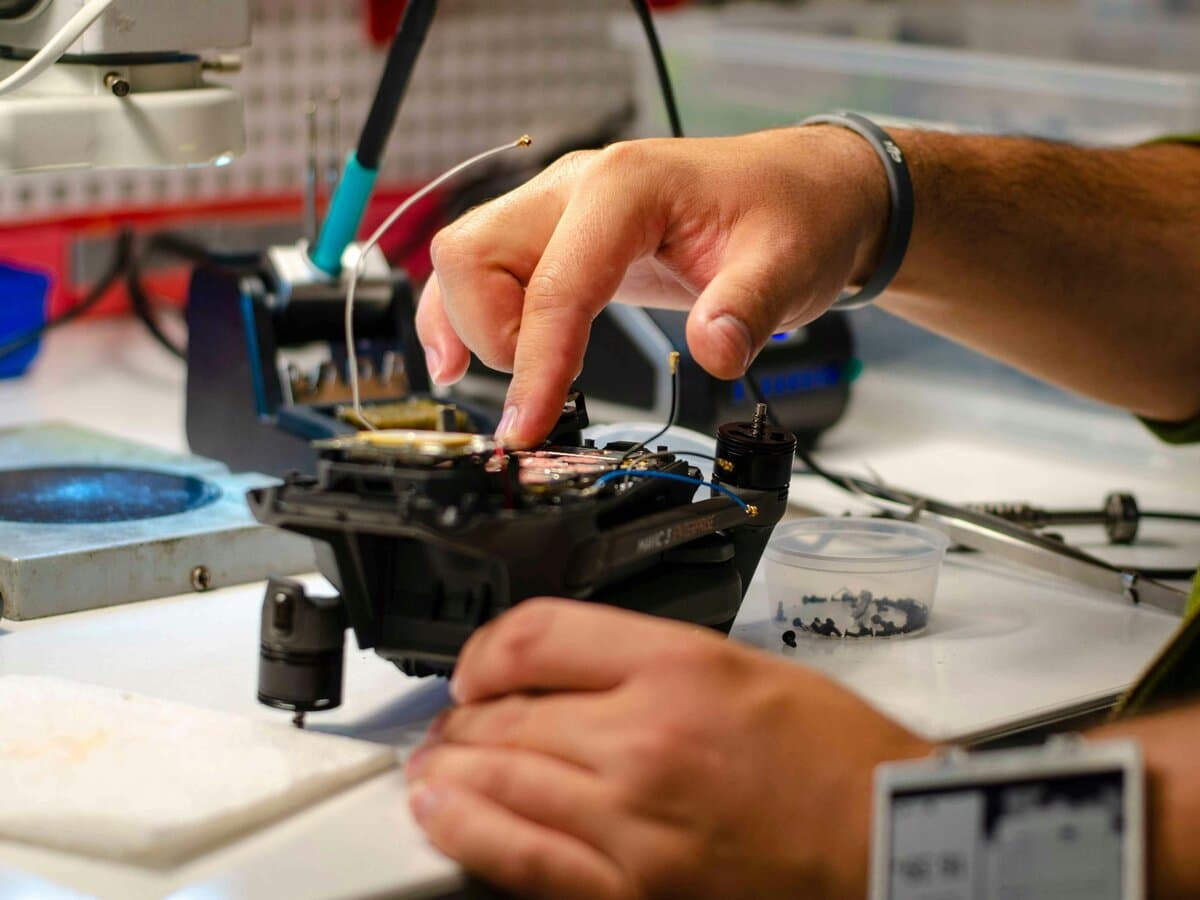
Electrical Power and Systems Engineering
Trieste Campus, Italy

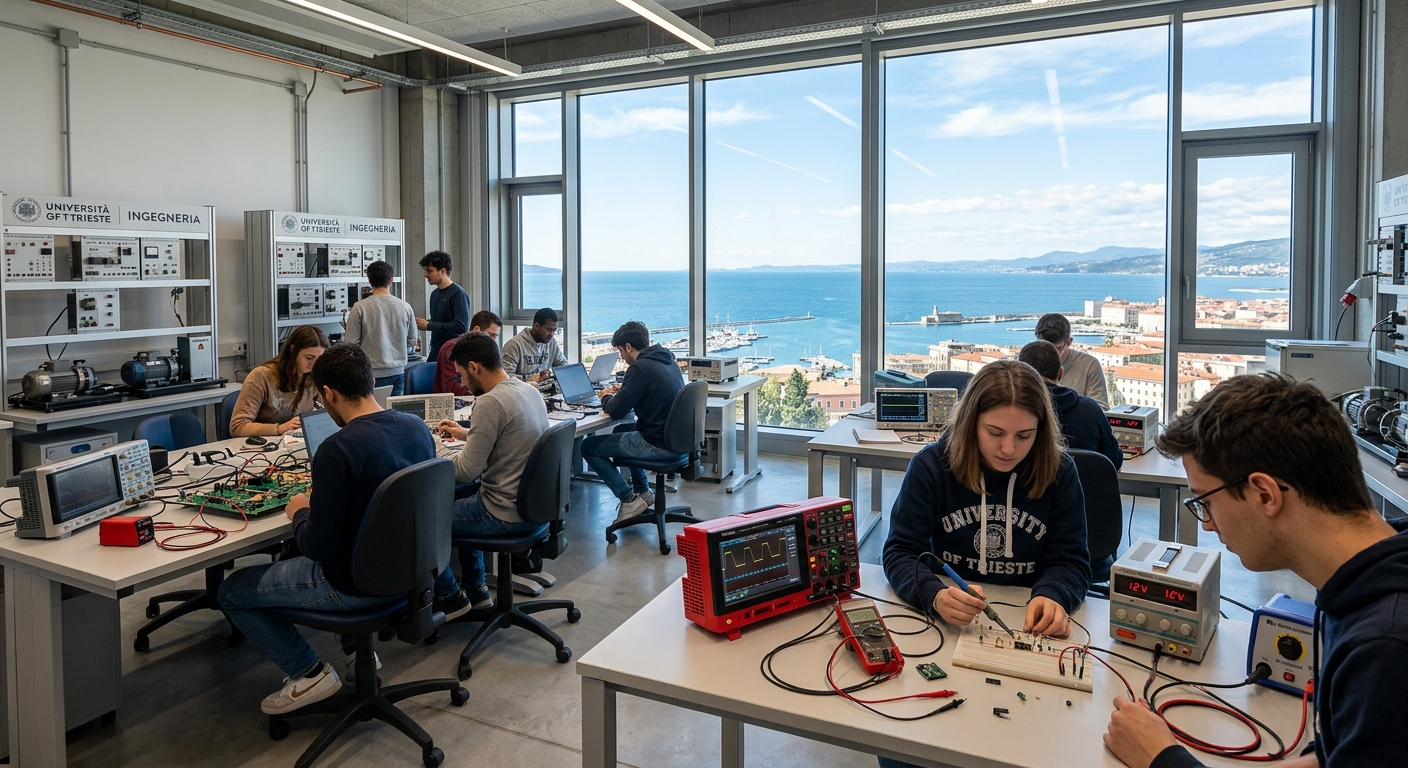
Master of Science in Electrical Energy and Systems Engineering
University of Trieste
Electrical Power and Systems Engineering
Program Overview: Electrical Energy and Systems Engineering at University of Trieste
The Master of Science in Electrical Energy and Systems Engineering at the University of Trieste provides advanced training in the production, transmission, and utilization of electricity, combined with expertise in complex systems modeling, analysis, and control. With over sixty years of academic tradition, this program prepares graduates to tackle the challenges of energy transition, decarbonization, and transport electrification through innovative electrical and digital control solutions.
Delivered through a combination of lectures, seminars, technical visits, and internships with leading industry and research partners, the program equips students with the skills to design and manage modern electricity infrastructures. You will learn how electrical systems and digital control technologies enable the growing integration of renewable energy sources while ensuring continuous, safe, and resilient power supply.
Situated in Trieste, a city renowned as Italy's science capital with close proximity to major international research institutions, students benefit from an exceptional teacher-to-student ratio and a vibrant academic environment. The Department of Engineering and Architecture provides access to specialized laboratories and research facilities that support hands-on learning in cutting-edge electrical engineering technologies.
Key Program Highlights
- Over 60 years of academic excellence in electrical energy and systems engineering education at the University of Trieste
- Strong industry partnerships providing internships and technical visits with leading energy and technology companies
- Integrated curriculum combining electrical energy engineering with digital control systems and automation
- Located in Trieste, Italy's City of Science, with access to world-class research institutions and laboratories
Curriculum and Course Modules
The 120 ECTS curriculum is structured across two years and integrates core electrical energy engineering with advanced systems and control engineering. Students develop competencies in designing, analyzing, and managing modern power systems and digital control infrastructure, preparing them for the challenges of the energy transition and Industry 4.0.
Power Systems Analysis and Design
12 ECTSCovers the principles of electrical power system planning, load flow analysis, fault analysis, and stability studies. Students learn to design efficient and resilient electricity networks for modern grid applications.
Advanced Control Systems
9 ECTSFocuses on advanced control algorithms applied to electronic converters, electric drives, and active interfaces in electrical distribution. Students develop skills in designing robust control systems for optimal performance under model uncertainties.
Electrical Machines and Power Electronics
12 ECTSProvides in-depth knowledge of electrical machine design, operation, and the power electronic converters used to interface renewable sources, energy storage, and electric drives with the grid.
Renewable Energy Systems Integration
9 ECTSExplores the technologies and engineering methods for integrating solar, wind, and other renewable sources into electrical grids, including storage systems and smart grid solutions for sustainable energy management.
Automation and Robotics for Industrial Systems
9 ECTSAddresses the principles of industrial automation, mechatronics, and robotics, with applications to smart manufacturing, Industry 4.0 processes, and intelligent control of complex industrial systems.
Final Thesis and Internship
18 ECTSStudents complete a research thesis and professional internship, applying their knowledge to real-world electrical engineering challenges in collaboration with industry partners or research institutions.
Elective Courses
Admission Requirements
Admission to the Electrical Energy and Systems Engineering M.Sc. program requires both specific curricular prerequisites and adequate personal preparation. International applicants are assessed by a dedicated admission board designated by the program council. All applications and inquiries are handled through Uni4Edu.
Academic Requirements
- Undergraduate DegreeBachelor's degree in Industrial Engineering (Class L-9) or equivalent qualification from a recognized university
- Mathematics and Physics CreditsMinimum 36 ECTS in mathematics, physics, and computer science from any accredited university program
- Engineering Core CreditsMinimum 45 ECTS in engineering disciplines including at least 27 ECTS in Electrical Engineering and 9 ECTS in Automation Engineering
- Academic PerformanceStrong academic record demonstrating proficiency in core engineering and scientific subjects
- Personal AssessmentEvaluation of personal preparation by the program admission board, including assessment of prior coursework and competencies
Language Requirements
- Italian ProficiencyB2 level or equivalent recommended, as the program is primarily taught in Italian
- European LanguageAbility to speak fluently at least one European language besides the native language is required
- English ProficiencyB2 level recommended for accessing English-language course materials and international research literature
Required Documents
Application Deadlines
For personalized admission guidance, document verification, and application support, please contact Uni4Edu
Scholarships and Funding
The University of Trieste and the Friuli Venezia Giulia region offer several funding opportunities for international students. Financial support is available through merit-based scholarships, regional grants, and need-based assistance to help make your studies in Trieste affordable. Contact Uni4Edu for personalized guidance on funding options.
ARDIS Regional Scholarship
The regional agency ARDIS provides need-based grants covering living expenses and accommodation for eligible students enrolled at the University of Trieste, including both EU and non-EU applicants based on financial need and academic merit.
For detailed tuition fee information, please contact Uni4Edu — we will guide you through the costs and available funding options for this program.
Career Prospects and Employment Outcomes
Graduates of the Electrical Energy and Systems Engineering program at the University of Trieste enjoy excellent employment prospects. The program's strong industry connections and practical training ensure that graduates are well-prepared for leadership roles across the energy, technology, and industrial sectors in Italy and internationally.
Potential Career Roles
Typical Employers
Rankings and Recognition
The University of Trieste is consistently recognized in major international university rankings and is known for its strong research output and academic quality. Located in Italy's City of Science, the university benefits from close affiliations with internationally renowned research institutions, enhancing its reputation in engineering and the physical sciences.
| Subject | Ranking Body | Rank |
|---|---|---|
| Engineering and Technology | QS World Rankings | Top 500 — Contact Uni4Edu for current data |
| Electrical and Electronic Engineering | ARWU | Contact Uni4Edu for current data |
| Physics | ARWU | Top 200 — Contact Uni4Edu for current data |
| Energy Science and Engineering | U.S. News | Contact Uni4Edu for current data |
How to Apply
Applying for this program is easy with Uni4Edu. Our team will guide you through every step of the process — from document preparation to final enrolment.
Contact Uni4Edu
Reach out to our team via email or phone. We will assess your profile and confirm your eligibility for this program.
Prepare Your Documents
Our advisors will provide you with a personalised checklist of required documents and help you prepare your application package.
Submit Your Application
Uni4Edu will submit your application on your behalf and keep you updated on its progress throughout the review period.
Receive Your Offer
Once accepted, we will help you understand your offer, arrange visa support if needed, and guide you through the enrolment process.
Similar Programmes


Master's & Postgraduate
12 months
Advanced Electronic and Electrical Engineering MSc

Queen Mary, University of London, London, United Kingdom
Earliest Intake
January 2026
Gross Tuition
31450 £


Bachelor's Degree
48 months
Civil Engineering
Texas State University, San Marcos, United States
Earliest Intake
May 2026
Gross Tuition
24520 $
Bachelor's Degree
48 months
Electrical and Electronics Engineering
Beykent University, Sarıyer, Turkey
Earliest Intake
January 2026
Gross Tuition
3500 $

Bachelor's Degree
36 months
Electrical and Electronic Engineering BEng
University of Sheffield, Sheffield, United Kingdom
Earliest Intake
January 2026
Gross Tuition
32100 £

Bachelor's Degree
48 months
Electronic Engineering and Internet of Things (including foundation year) - BEng (Hons)
London Metropolitan University, London, United Kingdom
Earliest Intake
April 2025
Gross Tuition
15500 £



Uni4Edu AI Assistant