
Nutrition and Foods
San Marcos, Texas, USA, United States


Bachelor of Science in Family and Consumer Sciences – Major in Nutrition and Foods
Texas State University
Nutrition and Foods
Nutrition and Foods Program Overview
The Nutrition and Foods program at Texas State University provides science-based education and training focused on the efficacy of specific nutrients and whole-foods-based diets in promoting health and treating chronic diseases. Students explore how diet can improve and even prevent conditions such as obesity, type 2 diabetes, cardiovascular disease, hypertension, and cancer through research spanning from the cellular level to the community.
The program prepares graduates for careers in industry, dietetics, government, private advocacy programs, research, and academia. Students pursuing the Dietetics track can earn a Verification Statement qualifying them to apply for a dietetics internship and ultimately pursue the Registered Dietitian Nutritionist (RDN) credential. The Dietetics track is accredited by the Accreditation Council for Education in Nutrition and Dietetics (ACEND).
With multiple degree tracks available, including Dietetics, Nutrition with a Minor, and Teacher Certification, you can tailor your education to match your career goals. The program emphasizes hands-on learning through externships, laboratory work, and research opportunities that give you practical experience in the field.
Key Program Highlights
- ACEND-accredited Dietetics track prepares students for the Registered Dietitian Nutritionist credential
- Multiple degree tracks including Dietetics, Nutrition with a Minor, and Teacher Certification
- Hands-on externship and laboratory experiences integrated throughout the curriculum
- Research opportunities spanning cellular nutrition science to community health interventions
Curriculum and Course Modules
The Nutrition and Foods curriculum combines general education core courses with specialized nutrition science coursework. Students take courses in biology alongside specialized modules in food systems, food science, nutritional assessment, physiology and nutrition, wellness and fitness, life span nutrition, and food service management. A minimum of 36 advanced hours at the 3000 or 4000 level are required, along with nine semester credit hours of writing-intensive courses.
Food Systems
3 Credit Hours + 1 Credit Hour LabCovers nutrition, food science, and management principles in planning, procuring, preparing, preserving, evaluating, and serving food. Includes federal legislation, environmental issues, culinary principles, and dietary requirements for individuals and diverse cultural groups.
Nutrition Science
3 Credit HoursExplores the science of human nutrition with emphasis on nutrient digestion, absorption, and excretion. Covers nutrient metabolism, requirements, and food sources essential for understanding dietary health.
Food Science
3 Credit Hours + 1 Credit Hour LabStudents learn the scientific principles underlying the relationships among food, chemistry, microbiology, nutrition, and food safety as related to the major food groups. Laboratory sessions involve hands-on techniques in food chemistry and food palatability analysis.
Nutritional Assessment
3 Credit HoursFocuses on principles and techniques of assessing nutritional status, interviewing and nutrition counseling theories, developing individualized nutrition diagnoses, and introduction to educational tools and community nutrition resources.
Research Methods in Nutrition Science
3 Credit HoursEvaluates research concepts, methods, and strategies used in nutrition research. Topics include epidemiological, community, clinical, animal, and cell culture models, study design, statistical analysis, and dissemination of findings.
Nutrition for Wellness and Fitness
3 Credit HoursStudents study the causes and treatment of overweight and obesity and the effects of dietary and lifestyle choices on attainment and maintenance of health and prevention of chronic diseases.
Elective Course Options
Admission Requirements
Admission to the Nutrition and Foods program at Texas State University is open to both domestic and international students. Texas State has a test-optional admissions policy for most undergraduate programs. International applicants should apply through Uni4Edu for streamlined application processing and personalized guidance throughout the admissions journey.
Academic Requirements
- High School DiplomaEquivalent of a U.S. high school diploma with strong academic record
- GPA Requirement (Freshman)Competitive academic record; top 75% of graduating class recommended
- GPA Requirement (Transfer, 30+ hours)Minimum 2.25 cumulative GPA on transferable credit hours
- Standardized TestsSAT or ACT scores optional; submitting scores may qualify you for assured scholarships
- Graduation GPA for DegreeMinimum 2.0 Texas State GPA and 2.25 major GPA required to graduate (2.75 for Dietetics track)
English Language Proficiency Requirements
- TOEFL iBTMinimum score of 78 overall
- IELTS AcademicMinimum score of 6.5 overall
- Duolingo English TestMinimum score of 110 overall
Required Documents
Application Deadlines
For personalized admission guidance, document verification, and application support, please contact Uni4Edu
Scholarships and Funding
Texas State University offers several scholarship opportunities for incoming freshmen and international students. Assured Scholarships are guaranteed to all qualified students, including international applicants, who meet the minimum academic qualifications. International students receiving Texas State scholarships may also qualify to pay in-state tuition rates, significantly reducing overall costs. Contact Uni4Edu for personalized scholarship guidance.
President's Honor Scholarship
USD 48,000 total (USD 12,000 per year for 4 years)A competitive merit-based scholarship available to international students based on cumulative secondary school GPA and SAT/ACT scores. Recipients may also qualify for in-state tuition rates, providing substantial additional savings.
Texas State Achievement Scholarship
USD 24,000 to USD 32,000 total (USD 6,000 to USD 8,000 per year for 4 years)An assured scholarship awarded based on academic credentials including test scores and high school class rank. Available to all qualified residents and nonresidents, including international students admitted as first-time freshmen.
Good Neighbor Scholarship
Non-resident tuition waiver (difference between in-state and out-of-state tuition)Provides tuition assistance to academically talented students from nations of the Western Hemisphere (excluding Cuba and the United States). Recipients receive a non-resident tuition adjustment equal to the difference between resident and non-resident tuition.
For detailed tuition fee information, please contact Uni4Edu — we will guide you through the costs and available funding options for this program.
Career Prospects
Graduates of the Nutrition and Foods program at Texas State University are well prepared for diverse careers in healthcare, community nutrition, food industry, education, and research. Those who complete the Dietetics track and earn the Registered Dietitian Nutritionist credential gain access to higher-paying positions in hospitals, clinics, and private practice. The program's strong emphasis on practical experience through externships and research ensures graduates enter the workforce with real-world skills.
Potential Career Roles
Types of Employers
Rankings and Recognition
Texas State University has earned growing recognition in national and international rankings, reflecting its commitment to academic quality, social mobility, and student outcomes. The university continues to climb in major ranking systems and has been profiled by the Princeton Review as one of the nation's best institutions for undergraduates.
| Subject | Ranking Body | Rank |
|---|---|---|
| Nutrition (Food, Nutrition & Related Services) | College Factual | #17 Nationally, #1 in Texas |
| Social Mobility | U.S. News & World Report | #144 |
| Undergraduate Nursing | U.S. News & World Report | #294 |
| Economics | U.S. News & World Report | #240 |
How to Apply
Applying for this program is easy with Uni4Edu. Our team will guide you through every step of the process — from document preparation to final enrolment.
Contact Uni4Edu
Reach out to our team via email or phone. We will assess your profile and confirm your eligibility for this program.
Prepare Your Documents
Our advisors will provide you with a personalised checklist of required documents and help you prepare your application package.
Submit Your Application
Uni4Edu will submit your application on your behalf and keep you updated on its progress throughout the review period.
Receive Your Offer
Once accepted, we will help you understand your offer, arrange visa support if needed, and guide you through the enrolment process.
Similar Programmes


Bachelor's Degree
48 months
Personal & Family Financial Planning (BS)

University Of Arizona, Tucson, United States
Earliest Intake
January 2027
Gross Tuition
39958 $


Master's & Postgraduate
24 months
Marriage & Family Therapy Master
Trinity Western University, Langley, Canada
Earliest Intake
January 2027
Gross Tuition
43785 C$


Master's & Postgraduate
24 months
Consumer Science (M.Sc.)
Technical University of Munich (TUM), Munich, Germany
Earliest Intake
April 2026
Gross Tuition
6000 €
Bachelor's Degree
48 months
Family Studies Bachelor
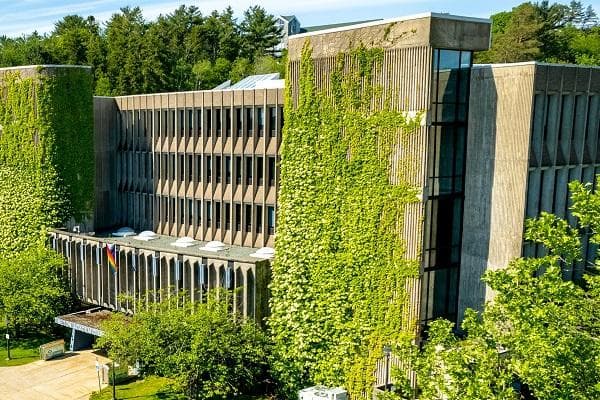
Mount Saint Vincent University, Halifax, Canada
Earliest Intake
October 2026
Gross Tuition
21600 C$

Master's & Postgraduate
24 months
Marriage and Family Therapy (Master's Degree)
Manhattan University, Bronx, United States
Earliest Intake
June 2026
Gross Tuition
44100 $



Uni4Edu AI Assistant