
Bioengineering Bachelor of Science (BSc)
Campus North, Germany

Overview
During your studies, you have various subjects, which consist of one or more modules. A module deals with a specific topic and consists of one or more courses. In the module handbook for your degree program, you will find a description of the modules and their subject assignment as well as a study plan. This gives you an orientation as to which courses you should attend in which semester in order to complete your studies within the standard period of study. It takes into account a balanced distribution of courses over the individual semesters. It also ensures that you are first taught the important basics before moving on to more advanced topics. Your individual course of study may differ from this.
The Bioengineering program is divided into a basic study of mathematics and natural sciences, engineering sciences, and process engineering with the following subjects:
- Mathematical and scientific fundamentals: In this subject, you will mainly deal with mathematics and chemistry, but also with mathematical modeling and data analysis.
- Fundamentals of engineering science: Lectures and exercises on mechanics, apparatus engineering, control engineering and system dynamics, thermodynamics, fluid dynamics and mass transfer are on the program here.
- Process engineering fundamentals: In addition to the introduction to bioengineering, you will take bioprocess engineering and, in the elective area, two specializations in mechanical process engineering, thermal process engineering and chemical process engineering.
In addition to the fixed modules of the basic studies, you have several options in these subjects, especially in the higher semesters:
- Elective area of process engineering: Here you will deepen your basic knowledge of process engineering both theoretically and practically in the laboratory and will deal with, for example, high-performance plastics or biotechnological separation processes.
- Profile subject: Towards the end of your bachelor's degree, you will choose a profile-building focus from over ten options, for example, circular economy, biotechnology or refrigeration technology.
- Interdisciplinary qualifications: Programming/Numerical Simulation with MatLb and Scientific Writing with LaTeX are mandatory. In addition, you can, if you wish, take a language course or a course offered by the House of Competence.
Similar Programmes
Certificate & Diploma
18 months
Chemical Technology Diploma

Saskatchewan Polytechnic, Moose Jaw, Canada
Earliest Intake
October 2025
Gross Tuition
19153 C$
Bachelor's Degree
36 months
Chemical and Petroleum Engineering Beng
University of Surrey, Surrey, United Kingdom
Earliest Intake
June 2026
Gross Tuition
27000 £
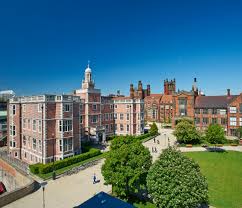
Master's & Postgraduate
12 months
Microelectronics: Systems and Devices Msc
Newcastle University, , United Kingdom
Earliest Intake
September 2025
Gross Tuition
30050 £
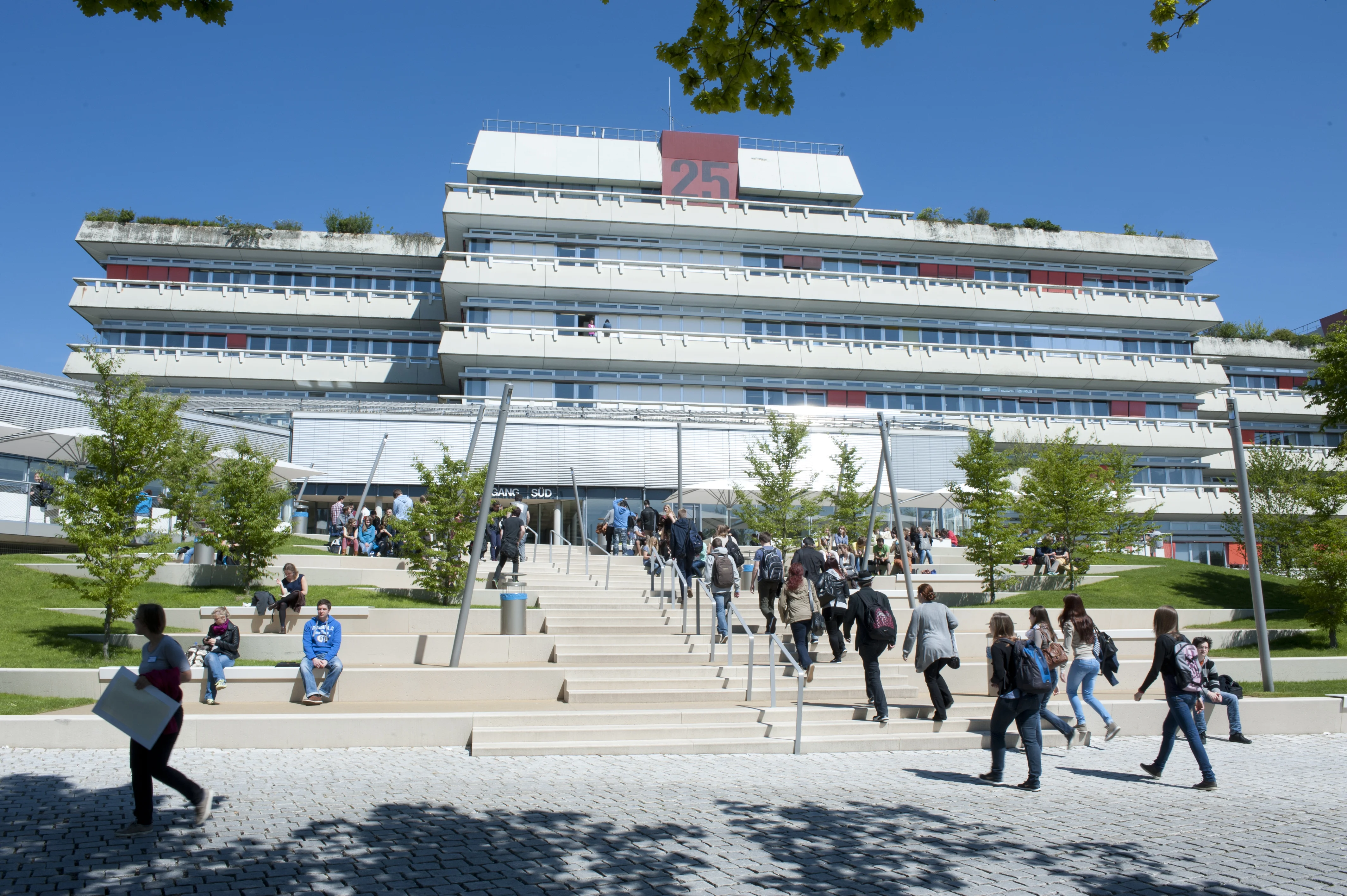

Master's & Postgraduate
24 months
Chemical Engineering
University of Ulm, Ulm, Germany
Earliest Intake
April 2025
Gross Tuition
3000 €
Bachelor's Degree
36 months
Chemical Engineering
University of Ulm, Ulm, Germany
Earliest Intake
April 2025
Gross Tuition
3000 €



Uni4Edu AI Assistant
