

Cultural Astronomy and Astrology PGCE
University of Wales Trinity Saint David, United Kingdom
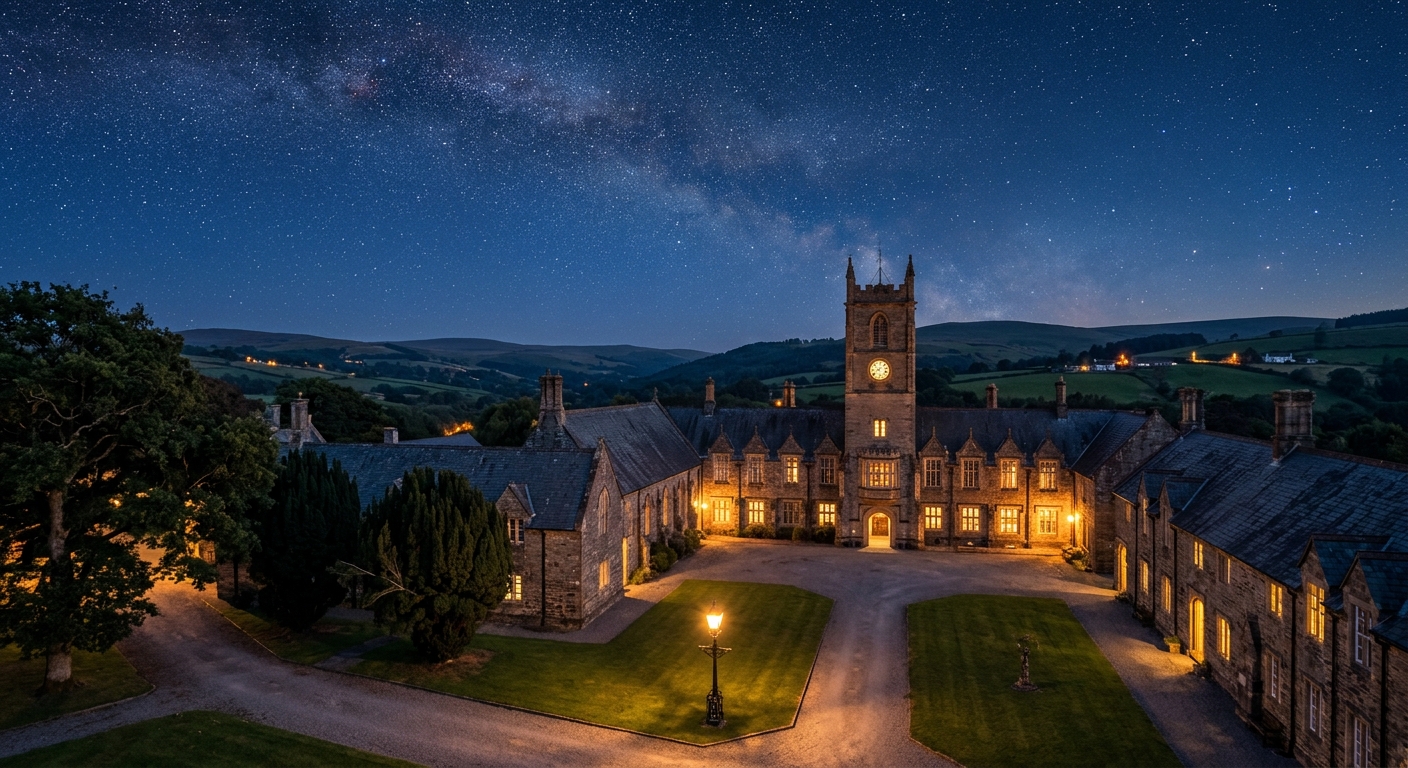
MA in Cultural Astronomy and Astrology
University of Wales Trinity Saint David
Cultural Astronomy and Astrology
Program Overview: MA in Cultural Astronomy and Astrology
The MA in Cultural Astronomy and Astrology is a unique distance learning course that explores how humans connect with the planets, stars, and sky, and how these connections shape culture and society. Taught within the Sophia Centre for the Study of Cosmology in Culture at the Institute of Education and Humanities, this programme is widely recognised as the only academic degree in the world that focuses on how human beings relate to the cosmos.
The course takes a multi-disciplinary humanities approach, drawing on history, anthropology, archaeology, sociology, and the study of religions to examine the complex links between astrological, astronomical, and cosmological beliefs and practices across different times and cultures. Students explore the differences between astronomy as the scientific study of the universe and astrology as the practice of connecting celestial bodies to human experience.
A major component of the programme includes archaeoastronomy, which examines how astronomical alignments and symbols appear in both ancient and modern architecture. Students also investigate how the sky is used in religion, how it has been depicted in the arts, and the relationship between the cosmos and the human mind, culminating in a supervised 15,000-word dissertation on a topic of their choice.
Key Program Highlights
- The only academic degree in the world dedicated to how human beings relate to the cosmos across all cultures and historical periods
- Fully online distance learning format delivered via Zoom, allowing you to study from anywhere in the world without leaving home
- Run by the internationally recognised Sophia Centre for the Study of Cosmology in Culture, which also organises annual conferences and operates an academic publishing arm
- Two annual intakes in October and February, with flexible study options including PGCert and PGDip exit awards
Curriculum and Modules
The MA programme consists of six taught modules plus a supervised dissertation. There are three compulsory modules, and students then choose one pathway of two optional modules plus any third optional module, allowing for personalised academic exploration across a rich range of topics.
Introduction to Cultural Astronomy and Astrology
20 creditsThis foundational module introduces the notion of culture and its relationship with astrology, astronomy, and cosmology. Students build a framework for understanding how human societies attribute meaning to celestial phenomena across different historical periods and cultural contexts.
Researching Contemporary Cosmologies
20 creditsThis module examines what people believe about the stars and cosmos today. Students collect data on contemporary beliefs and practices, developing essential research skills in qualitative and quantitative methods relevant to cultural astronomy.
Foundations in Cultural Astronomy and Astrology
20 creditsA core module covering the cultural impact of astrology, astronomy, and cosmology throughout history. Students engage with historical and contemporary beliefs about the stars and develop critical analytical skills for interpreting celestial symbolism in culture.
Sacred Geography
20 creditsThis optional module explores the relationship between sacred landscapes, celestial alignments, and the built environment. Students learn how to measure and interpret celestial alignments at archaeological sites and examine how astronomy has shaped architecture and urban planning.
Cosmology, Magic and Divination
20 creditsAn optional module examining the history of astrology alongside ancient and modern practices of magic and divination. Students investigate how cosmological beliefs have informed divinatory traditions across cultures and time periods.
MA Dissertation in Cultural Astronomy and Astrology
60 creditsThe culminating research project requires students to produce a 15,000-word dissertation based on independent research on a topic chosen in discussion with the module tutor. Each student is allocated a supervisor who guides them through the research and writing process.
Optional Pathway Modules
Admission Requirements
The MA in Cultural Astronomy and Astrology welcomes students from all academic backgrounds. The programme follows a widening access policy, meaning applicants without a traditional degree may be considered based on relevant personal, professional, and educational experience. All applications are processed through Uni4Edu.
Academic Requirements
- Primary QualificationAn undergraduate degree (any discipline) from a recognised institution, or equivalent professional experience
- Non-Graduate EntryApplicants without a degree may be considered for initial entry to the PGCert, with progression to the full MA upon successful completion
- Academic BackgroundNo specific subject prerequisites; students from all disciplines are welcome
- Research SkillsDemonstrated ability to engage with academic reading and writing at postgraduate level
- IT RequirementsAccess to a computer with reliable internet connection and Zoom capability for online learning
Language Requirements
- IELTSContact Uni4Edu for current minimum score requirements
- TOEFLContact Uni4Edu for current minimum score requirements
- OtherEquivalent English language qualifications may be accepted; contact Uni4Edu for details
Required Documents
Application Deadlines
For personalized admission guidance, document verification, and application support, please contact Uni4Edu
Scholarships and Funding
UWTSD offers a range of scholarships and fee waivers for postgraduate and distance learning students. International and UK-based students are encouraged to explore available funding options through Uni4Edu to support their studies in this unique programme.
UWTSD Postgraduate Scholarship
The university offers general postgraduate scholarships and fee waivers available to eligible students enrolled in distance learning programmes. Eligibility criteria and award amounts vary by academic year.
For detailed tuition fee information, please contact Uni4Edu — we will guide you through the costs and available funding options for this program.
Career Prospects
Most students pursue the MA in Cultural Astronomy and Astrology as an enriching academic experience driven by passion for the subject. However, the programme also develops transferable skills in critical thinking, evidence-based argumentation, interdisciplinary communication, and independent research that are valued across many professional fields.
Potential Career Paths
Sectors and Organisations
Rankings and Recognition
The University of Wales Trinity Saint David is a historic multi-campus institution in Wales with campuses in Lampeter, Carmarthen, and Swansea. The university is recognised for its strong teaching quality and has been consistently ranked among the UK's top universities for student satisfaction. The MA in Cultural Astronomy and Astrology is the only programme of its kind globally, run by the internationally recognised Sophia Centre for the Study of Cosmology in Culture.
| Subject | Ranking Body | Rank |
|---|---|---|
| Student Satisfaction (Teaching) | The Guardian | #7 in UK |
| Student Satisfaction (Feedback) | The Guardian | #5 in UK |
| Archaeology and Anthropology | University Strength Area | Notable Strength |
| Humanities and Social Sciences | University Strength Area | Notable Strength |
How to Apply
Applying for this program is easy with Uni4Edu. Our team will guide you through every step of the process — from document preparation to final enrolment.
Contact Uni4Edu
Reach out to our team via email or phone. We will assess your profile and confirm your eligibility for this program.
Prepare Your Documents
Our advisors will provide you with a personalised checklist of required documents and help you prepare your application package.
Submit Your Application
Uni4Edu will submit your application on your behalf and keep you updated on its progress throughout the review period.
Receive Your Offer
Once accepted, we will help you understand your offer, arrange visa support if needed, and guide you through the enrolment process.
Similar Programmes


Master's & Postgraduate
24 months
Atmospheric Sciences (MS)

University Of Arizona, Tucson, United States
Earliest Intake
July 2026
Gross Tuition
32065 $

Master's & Postgraduate
12 months
Astrobiology and Planetary Sciences MSc
University of Edinburgh, Edinburgh, United Kingdom
Earliest Intake
January 2027
Gross Tuition
32000 £


Bachelor's Degree
48 months
Astronomy Bachelor
University of Victoria, Victoria, Canada
Earliest Intake
October 2026
Gross Tuition
31722 C$
Master's & Postgraduate
24 months
Cultural Astronomy and Astrology (2 Years) MA
University of Wales Trinity Saint David, , United Kingdom
Earliest Intake
September 2026
Gross Tuition
16800 £

Bachelor's Degree
48 months
Astrophysics (A.B.)
Harvard University, Cambridge, United States
Earliest Intake
August 2026
Gross Tuition
91634 $



Uni4Edu AI Assistant
