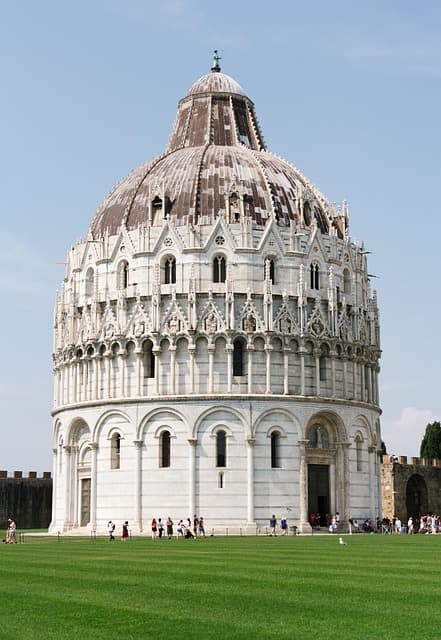
University of Pisa
Italy
University of Pisa
Pisa, Italy
Founded
1343
Institution Type
Public Research University
Total Students
~50,000
Departments
20
Discover the University of Pisa: A Legacy of Academic Excellence Since 1343
Discover the University of Pisa: A Legacy of Academic Excellence Since 1343
The University of Pisa (Universita di Pisa, UniPi) is one of the oldest universities in Europe, officially founded in 1343 by a papal bull from Pope Clement VI. Though its origins may date back to the 11th century, the 1343 decree granted it the status of Studium Generale with unique privileges, placing it alongside institutions such as Prague and Heidelberg in prestige.
Today, the University of Pisa is a leading public research institution organized into 20 departments, with high-level research centres in agriculture, physics, computer science, engineering, medicine, and veterinary medicine. It is part of the Pisa University System alongside the Scuola Normale Superiore di Pisa and the Sant'Anna School of Advanced Studies, forming a powerful academic consortium.
The university boasts an extraordinary roster of alumni including Galileo Galilei, Nobel laureates Enrico Fermi, Carlo Rubbia, and Giosue Carducci, Fields Medal recipients Enrico Bombieri and Alessio Figalli, and former President of Italy Carlo Azeglio Ciampi. With students from over 100 countries, it offers a truly international academic environment in the heart of Tuscany.
Key Milestones
- 1343: Officially founded by papal bull of Pope Clement VI, granting Studium Generale status with universal recognition.
- 1544: Established the world's first university botanical garden under botanist Luca Ghini during the reign of Cosimo I de' Medici.
- 1589: Galileo Galilei became professor of Mathematics, beginning his revolutionary scientific experiments in Pisa.
- 1969: Launched Italy's first degree course in Computer Science, building on the legacy of the Pisan Electronic Calculator (CEP) project.
Academic Structure and Departments
Academic Structure and Departments
The University of Pisa is organized into 20 departments covering all major areas of teaching and research. The university offers around 150 first- and second-level degree courses, over 20 doctoral programmes, 50 schools of specialisation, and more than 60 postgraduate courses. Several master's programmes are taught entirely in English for international students.
Engineering and Information Sciences
Encompasses the departments of Civil and Industrial Engineering, Energy Systems and Construction Engineering, Information Engineering, and Computer Science, with strong ties to the IT industry that flourished in Pisa.
- Computer Science and Networking (MSc, with Sant'Anna)
- Aerospace Engineering (EuMAS International MSc)
- Civil and Industrial Engineering
Medical and Health Sciences
Includes the departments of Clinical and Experimental Medicine, Surgical and Molecular Pathology, Translational Research, and Pharmacy, offering comprehensive medical training and research opportunities.
- Medicine and Surgery (Single Cycle)
- Pharmacy
- Nursing and Health Sciences
Natural and Mathematical Sciences
Covers the departments of Physics, Mathematics, Chemistry and Industrial Chemistry, Biology, and Geosciences, with research recognized internationally in areas such as physics and astronomy.
- Physics
- Mathematics
- Chemistry and Industrial Chemistry
Humanities and Cultural Studies
Includes the departments of Philology, Literature and Linguistics, and Civilisations and Forms of Knowledge, offering programmes in history, philosophy, archaeology, and languages.
- Philology, Literature and Linguistics
- History and Civilisation Studies
- Foreign Languages and Literature
Social Sciences and Law
Encompasses the departments of Law, Political Sciences, and Economics and Management, preparing students for careers in public administration, business, and legal practice.
- Law (Single Cycle Degree)
- Economics and Management
- Political Sciences
Agricultural and Veterinary Sciences
Covers the departments of Agricultural, Food and Agro-Environmental Sciences and Veterinary Sciences, with a long tradition dating back to the first Chair of Agriculture established in the 19th century.
- Agricultural Sciences
- Veterinary Medicine
- Food Science and Technology
Admission Requirements for International Students
Admission Requirements for International Students
Undergraduate (Laurea)
- EducationCompleted secondary school diploma (12 years of schooling) equivalent to Italian Diploma di Maturita
- Language ProficiencyItalian B2 level for Italian-taught programmes; IELTS 5.5-6.0 or TOEFL equivalent for English-taught programmes
- Entrance ExamRequired for most programmes; specific tests vary by department and faculty
- DocumentsAcademic transcripts, Declaration of Value from Italian consulate, valid passport
- ApplicationOnline application via the university portal with required supporting documents
Graduate (Laurea Magistrale)
- EducationBachelor's degree (minimum 3 years) in a relevant field from a recognized institution
- Language ProficiencyIELTS 6.0-6.5 or TOEFL 80-90 for English-taught programmes; Italian B2 for Italian-taught programmes
- Academic RecordsOfficial transcripts, curriculum vitae, and statement of purpose
- ReferencesLetters of recommendation from academic or professional references (programme-dependent)
- Additional RequirementsSome programmes require interviews, portfolios, or standardised test scores
Non-EU students begin the pre-enrolment process through Italian diplomatic missions abroad.
Typical deadline for non-EU student applications for autumn semester enrolment.
First instalment of tuition fees due upon registration by 30 September for most students.
Student visa applicants may pay the first instalment by 31 December without late fees.
Tuition Fees and Scholarships
Tuition Fees and Scholarships
The University of Pisa offers highly affordable tuition compared to many international institutions. Fees are income-based and the same structure applies to both Italian and international students, with additional reductions available based on country of origin and academic merit.
| Fee Component | EU / Italian Students | Non-EU International Students |
|---|---|---|
| Tuition Fees (per year) | EUR 0 - EUR 2,900 (income-based) | EUR 407 - EUR 2,900 (with reductions) |
| Regional Tax | EUR 140 | EUR 140 |
| Estimated Living Costs (per year) | EUR 8,000 - EUR 10,000 | EUR 8,000 - EUR 10,000 |
| Room Rent (per month, shared) | EUR 250 - EUR 350 | EUR 250 - EUR 350 |
| Total | Contact the university for personalised fee calculation | Contact the university for personalised fee calculation |
DSU Toscana Regional Scholarship
The DSU Toscana agency offers financial aid based on income and merit, including scholarships, free meals at university canteens, housing grants, and full tuition waivers for qualifying students.
- Eligibility: Based on financial need (ISEE) and academic merit
- Benefits: Tuition waiver, housing, meal vouchers, and cash grants
- Application: Apply online via DSU Toscana website, typically by early September
University Merit-Based Fee Reductions
Non-EU international students can receive tuition reductions based on their country of origin and academic merit. The maximum country-based reduction is EUR 2,073, and an additional EUR 267 merit reduction is available for top-performing students.
- Country Reduction: Up to EUR 2,073 based on national income index
- Merit Reduction: Up to EUR 267 for students above the 90th percentile
- Eligibility: Non-EU students enrolled in degree programmes; calculated automatically
Campus and Facilities
Campus and Facilities
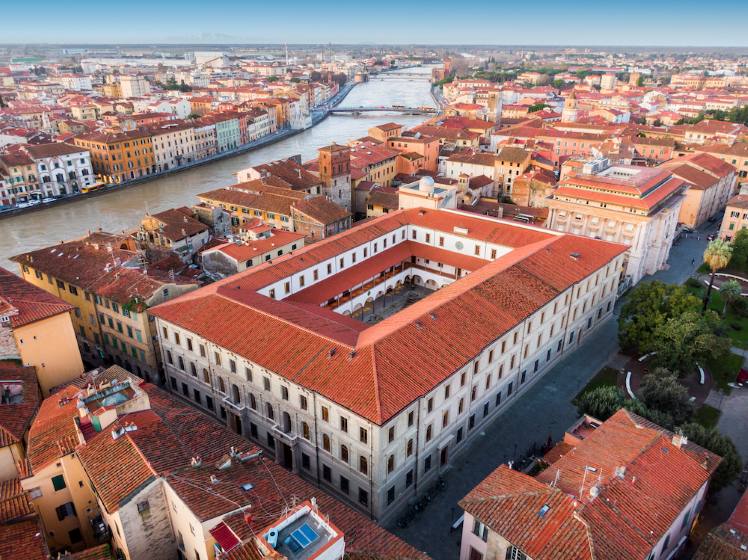
The University of Pisa is not a traditional campus-based university. Instead, its buildings and departments are spread throughout the historic city of Pisa, making the entire city a living campus where academic life and urban culture are deeply intertwined.
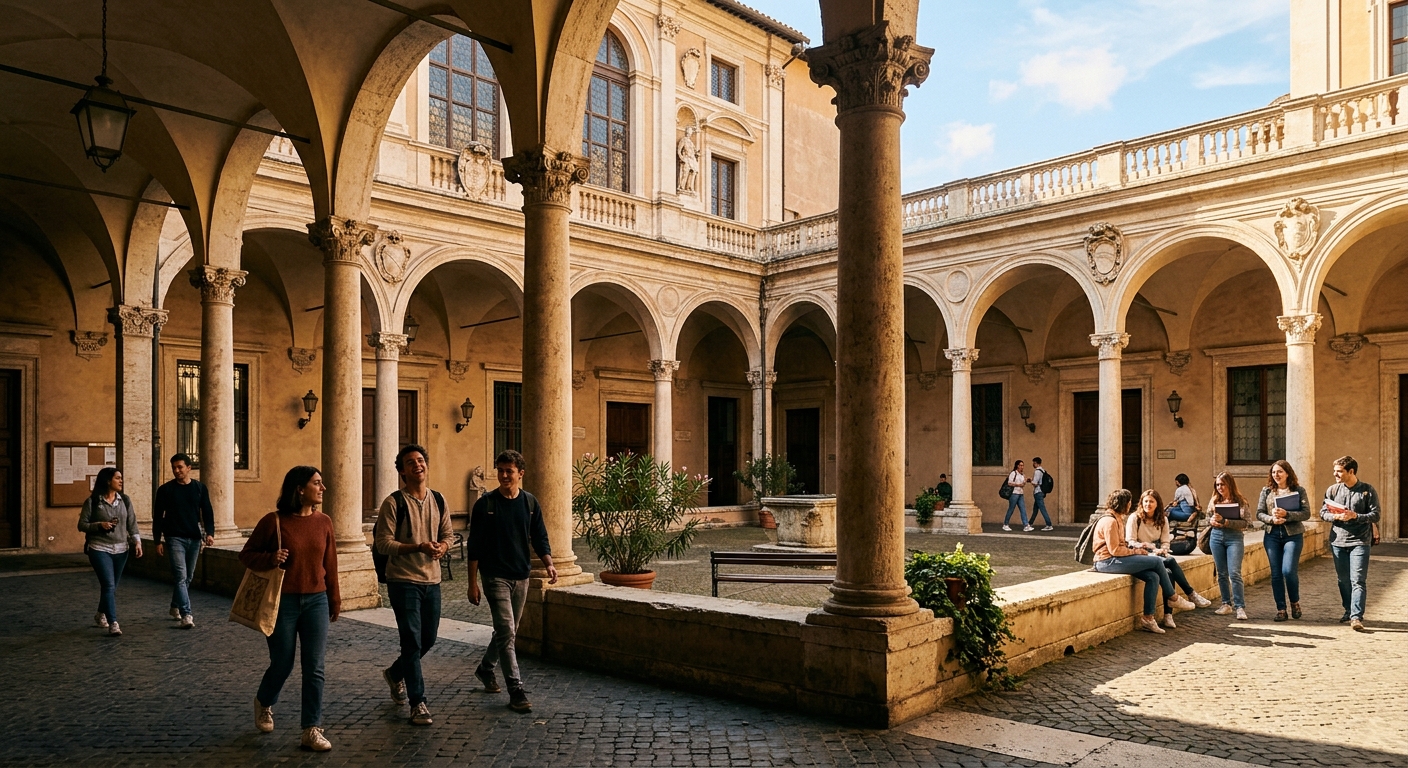
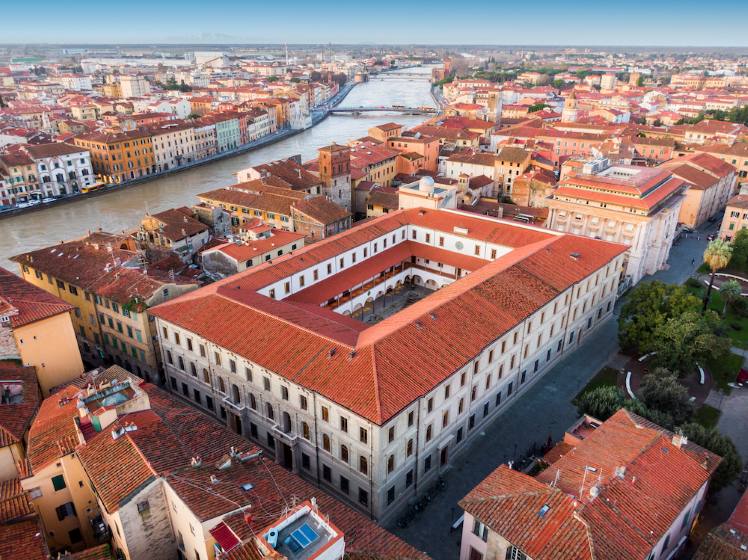
The historic administrative heart of the university, constructed starting in 1473 under Lorenzo de' Medici, housing the Rectorate and central offices.
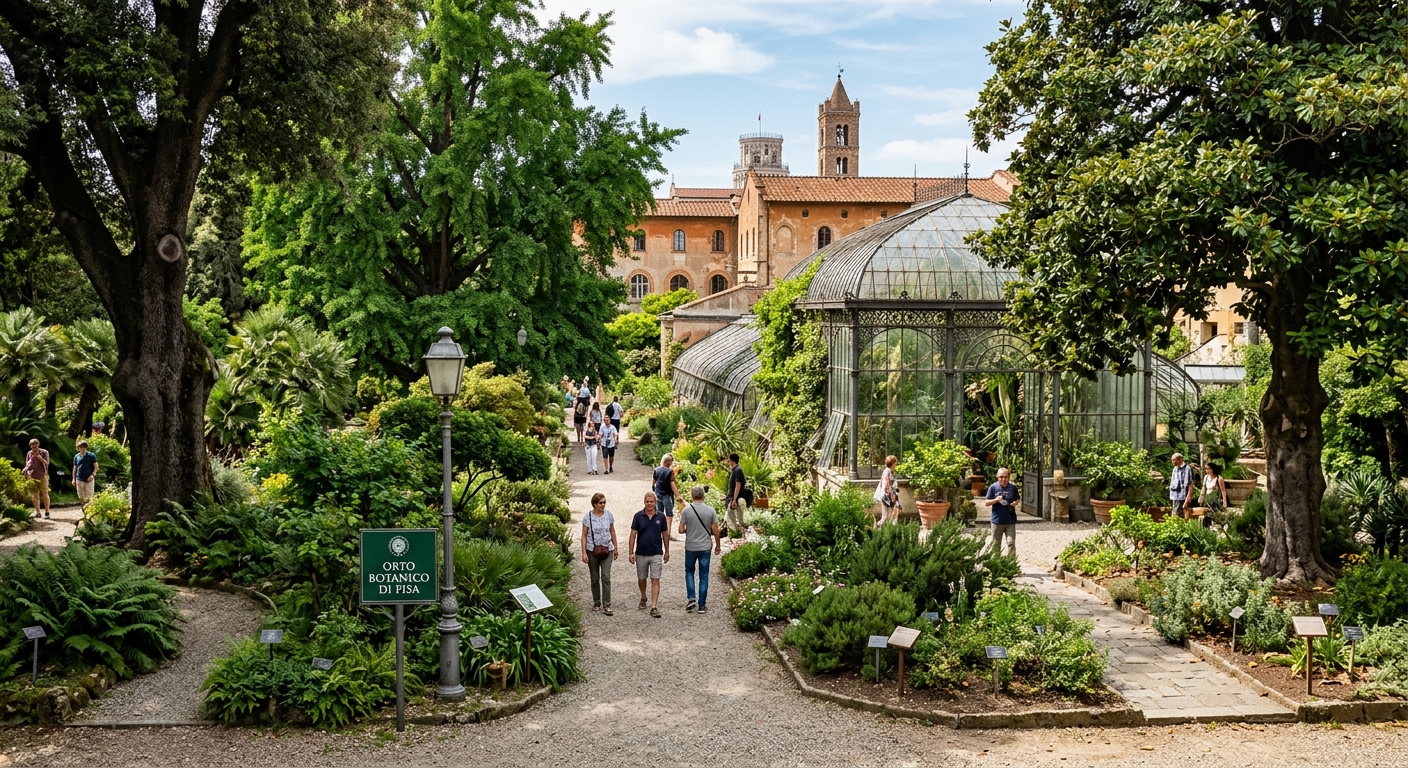
Founded in 1544, it is one of the oldest academic botanical gardens in the world, featuring over 6,000 cultivated plants near Piazza dei Miracoli.
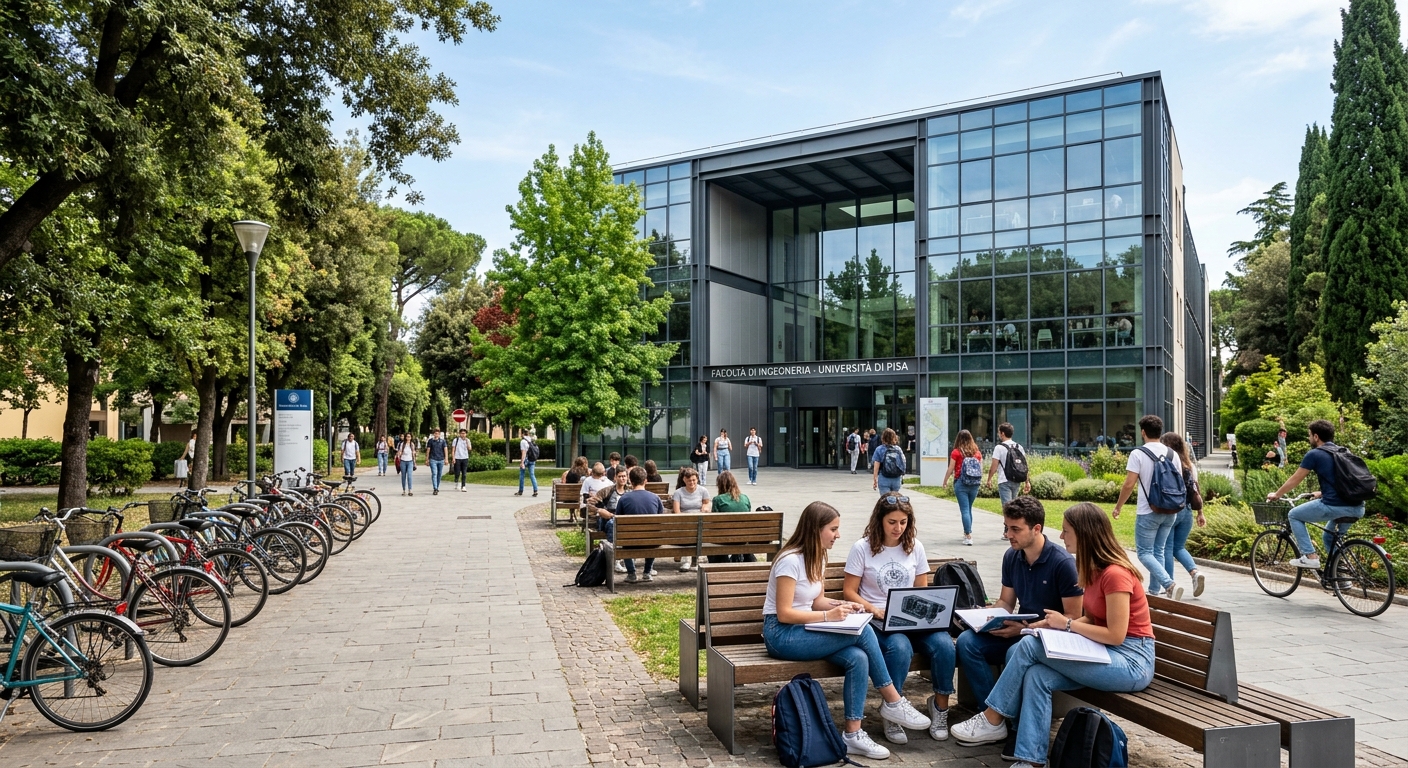
Located at Largo Lucio Lazzarino, the engineering campus houses departments of Civil, Industrial, Energy, and Information Engineering with modern laboratories.
Housing and Student Services
Accommodation
Students typically find housing through local estate agents or university notice boards. Shared apartments with Italian or international students are the most common arrangement.
- Shared rooms from EUR 250-350 per month
- DSU Toscana student residences available for eligible students
- University assistance for international students seeking housing
Libraries and Research Facilities
The university library system includes multiple libraries and the general university archive, providing extensive resources for study and research across all disciplines.
- 17 libraries spread across the city
- 13 university museums including the Natural History Museum
- CISUP Centre for shared research instrumentation
Student Life at the University of Pisa
Student Life at the University of Pisa
With approximately 50,000 students in a city of around 90,000 inhabitants, Pisa is a true university city where student life and urban culture are inseparable. The vibrant atmosphere offers a rich blend of academic, cultural, and social experiences.
Pisa: A Historic University City in the Heart of Tuscany
Pisa: A Historic University City in the Heart of Tuscany

Life in Pisa
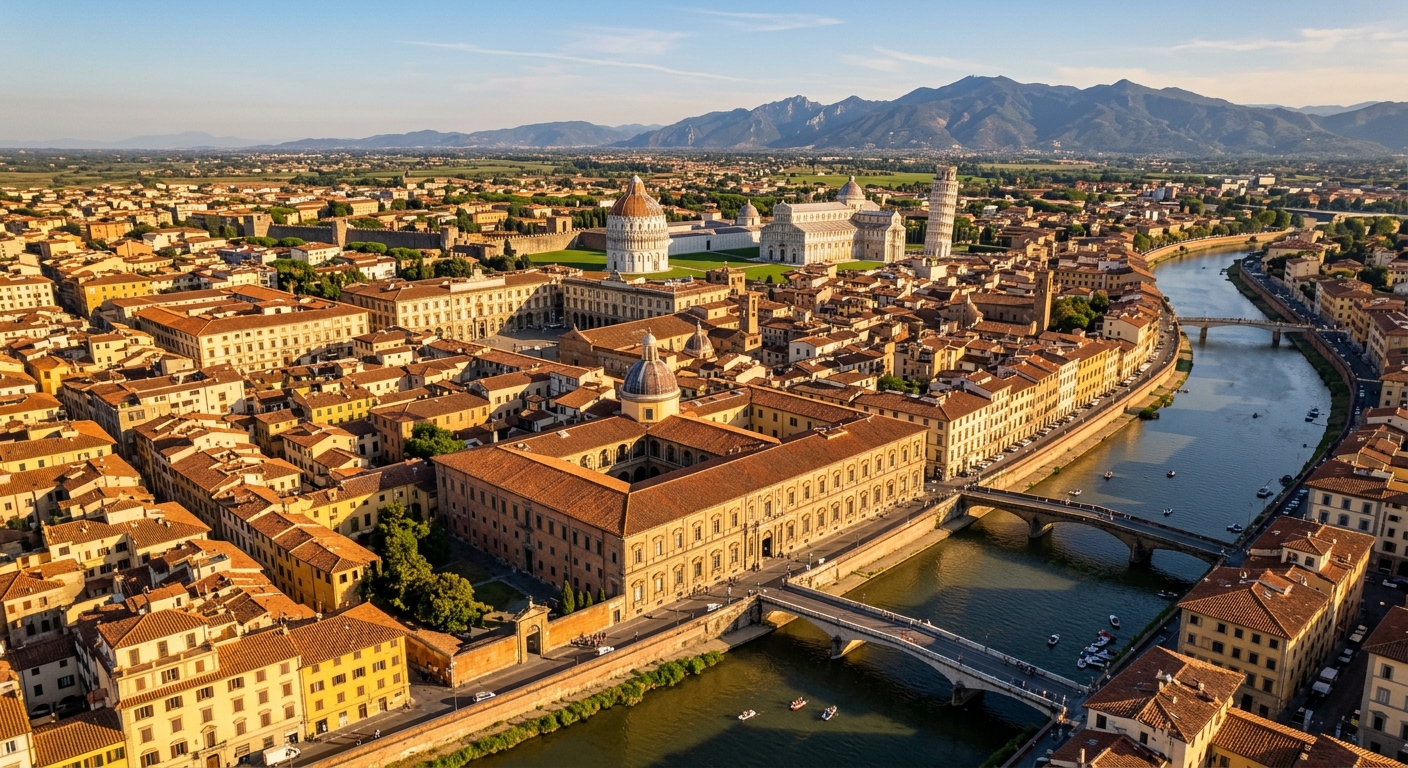
Pisa is a compact, student-friendly city in western Tuscany with a population of approximately 90,000. Known worldwide for its iconic Leaning Tower and Piazza dei Miracoli, the city offers a rich cultural life, affordable living costs, and excellent transport connections to Florence, Rome, and the Tuscan coast.
Cultural Heritage
Home to the UNESCO World Heritage Site of Piazza dei Miracoli, numerous museums, theatres, and centuries of artistic and scientific history.
Affordable Student Living
One of Italy's most affordable university cities, with reasonable rent and dining options, plus six university canteens offering subsidised meals.
Strategic Location
Pisa Galileo Galilei International Airport provides direct flights across Europe. Florence is just one hour away by train, and the Tuscan coast is easily accessible.
Bicycle-Friendly City
Pisa's flat terrain and compact size make cycling the preferred mode of transport for students, with all university buildings easily reachable by bike.
Career Outcomes and Distinguished Alumni
Career Outcomes and Distinguished Alumni
Notable Employers and Industry Partners
Practical Information for International Students
Practical Information for International Students
For International Students
Provides support for international students with admissions, visa guidance, orientation programmes, and integration into university life. Assistance is available for the Italian pre-enrolment process.
The university's language centre offers Italian language courses at various levels, as well as courses in other foreign languages, to help international students adapt and thrive.
EU citizens can use the EHIC card for healthcare. Non-EU students must register with the Italian National Health Service or obtain private health insurance upon enrolment.
Key Contacts
- +90 5435286292
- +44 7868736984
- corporate@uni4edu.com
- info@uni4edu.com
University of Pisa: World Rankings
University of Pisa: World Rankings
The University of Pisa consistently ranks among the top universities globally and is recognised as one of the leading research institutions in Italy. It appears in the top 1-2% of universities worldwide across multiple ranking systems.
| Subject | Ranking Body | Rank |
|---|---|---|
| Physics and Astronomy | ARWU | Top in Italy (historically ranked 2nd nationally) |
| Mathematics | ARWU | Among the top in Italy |
| Engineering | QS | #244 |
| Computer Science | Multiple Rankings | Home of Italy's first Computer Science degree (1969) |


Features
The University of Pisa is a historic Italian public university established in 1343, known for its high-level research and teaching across a wide range of fields, including computer science, engineering, medicine, agriculture, physics, and veterinary medicine. Key features include its affiliation with the Circle U. European University Alliance, strong national and international collaborations, a rich history of innovation (such as the first computer science degree in Italy), and a strong focus on research-driven innovation and interdisciplinary studies, according to UNIPI.
Featured Programmes


Average Time To Receive Acceptance Letter
September - December
Location
Lungarno Antonio Pacinotti, 43, 56126 Pisa PI, Italy

Map not found.

Uni4Edu AI Assistant