Neurophysiopathology Techniques (Certification for the Healthcare Profession of Neurophysiopathology Technician)
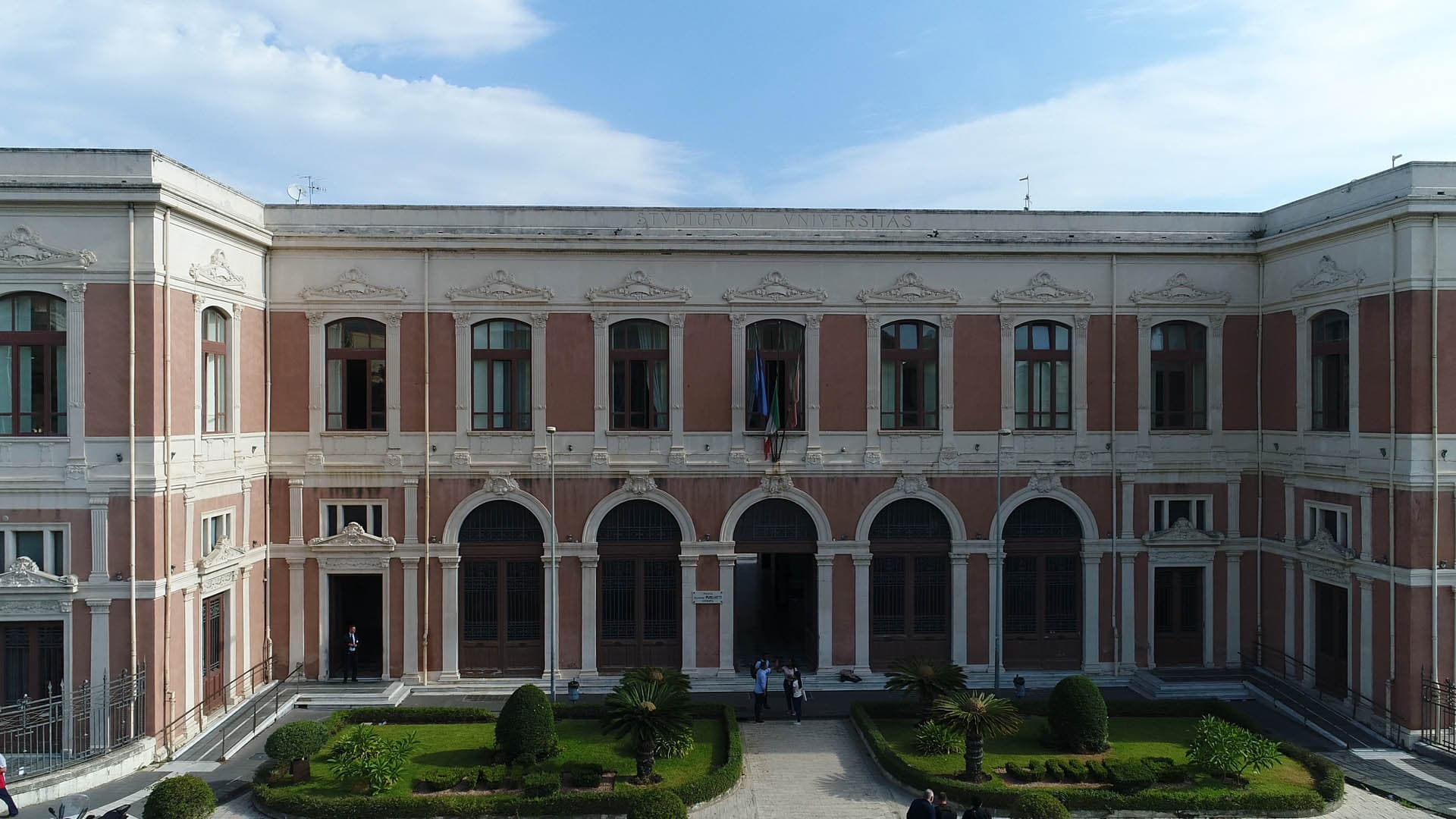
Central / Historical Campus, Italy

Neurophysiopathology Techniques (Certification for the Healthcare Profession of Neurophysiopathology Technician)
University of Messina
Health Sciences — Technical Diagnostic Professions
Program Overview — Neurophysiopathology Techniques at the University of Messina
The Bachelor's Degree in Neurophysiopathology Techniques at the University of Messina is a three-year program that qualifies graduates to practice as certified Neurophysiopathology Technicians within the Italian and European healthcare systems. Classified under L/SNT3 (Technical Health Professions — Diagnostic), the program combines rigorous scientific foundations with extensive hands-on clinical training at the university's affiliated Policlinico Gaetano Martino hospital.
Students develop expertise in recording and interpreting bioelectrical phenomena of the nervous system, learning to apply diagnostic techniques such as electroencephalography (EEG), electromyography (EMG), evoked potentials, polysomnography, and intraoperative neurophysiological monitoring. Mandatory clinical internships ensure that graduates are fully prepared to work directly with patients and operate specialized diagnostic equipment under medical prescription.
The University of Messina, founded in 1548, is one of Italy's oldest institutions and the leading university in Sicily. Its medical campus provides students with access to advanced neurophysiology laboratories and a rich clinical environment, preparing them for immediate entry into the healthcare workforce upon graduation.
Key Program Highlights
- Professionally qualifying degree — graduates are certified to practice as Neurophysiopathology Technicians in Italy and across the EU
- Extensive clinical internships at the Policlinico Gaetano Martino university hospital integrated throughout all three years
- Training in advanced diagnostic techniques including EEG, EMG, evoked potentials, polysomnography, and intraoperative monitoring
- Final examination serves as the State Qualifying Exam (Esame di Stato), enabling immediate professional practice after graduation
Curriculum and Modules
The curriculum is structured across three academic years, progressing from foundational biomedical sciences to specialized neurophysiopathological techniques and clinical practice. Mandatory attendance of lectures, seminars, laboratory sessions, and clinical traineeships is required throughout the program. Students build competencies in the qualitative and quantitative understanding of biological and physiological phenomena before advancing to applied neurological diagnostics.
Biomedical Sciences Foundations
18 ECTSCovers human anatomy, physiology, biochemistry, biology, and physics, providing the essential scientific grounding for understanding nervous system function and pathology.
Neuroanatomy and Neurophysiology
15 ECTSFocuses on the structure and function of the central and peripheral nervous systems, including the neurophysiological basis of bioelectrical signal generation and transmission.
Clinical Neurophysiopathology Techniques
18 ECTSTeaches the theoretical principles and practical application of core diagnostic methods including electroencephalography (EEG), electroneuromyography (ENMG), evoked potentials, and polysomnography.
Neurology and Child Neuropsychiatry
12 ECTSProvides in-depth knowledge of neurological pathologies across the lifespan, including pediatric, adult, and geriatric conditions, and their neurophysiological diagnostic correlates.
Intraoperative Monitoring and Intensive Care Techniques
12 ECTSCovers specialized recording techniques for acute patients, intensive care settings, and surgical monitoring, as well as recognition of life-threatening neurological events and basic life support (BLS).
Clinical Traineeship (Tirocinio)
60 ECTSHands-on clinical placements in neurophysiology laboratories and hospital departments, where students apply diagnostic methods under supervision and develop professional autonomy across all three years.
Elective Courses
Admission Requirements
Admission to the Neurophysiopathology Techniques program at the University of Messina is restricted by national access planning (numerus clausus). Candidates must pass a competitive entrance examination consisting of multiple-choice questions. Contact Uni4Edu for guidance on the application process and to receive personalized support throughout your admission journey.
Academic Requirements
- Secondary School DiplomaAn upper secondary school diploma (or equivalent foreign qualification recognized under Italian law) obtained after at least 12 years of study is required.
- Entrance ExaminationCandidates must pass a nationally regulated admission test covering biology, chemistry, physics, mathematics, logic, and general knowledge.
- Preparatory KnowledgeAdequate preparation in biology, chemistry, and physics is expected. Students admitted with gaps in these areas may be assigned a formative debt to resolve in the first semester.
- International QualificationsInternational applicants must hold a foreign qualification deemed equivalent to the Italian diploma di scuola secondaria superiore under current regulations.
- Visa RequirementsNon-EU applicants typically need a valid study visa (D visa) for Italy. Contact Uni4Edu for assistance with the visa process and required documentation.
Language Requirements
- Italian ProficiencyAs the program is taught entirely in Italian, a minimum of B2 level proficiency in Italian is generally required for international applicants.
- Italian Language CertificateAccepted certificates include CILS, CELI, PLIDA, or equivalent Italian language certifications. Contact Uni4Edu for current accepted tests and levels.
- Additional EU LanguageGraduates are expected to demonstrate competence in at least one EU language in addition to Italian within their professional domain.
Required Documents
For personalized admission guidance, document verification, and application support, please contact Uni4Edu
Scholarships and Funding
Several funding opportunities are available to support students enrolled in the Neurophysiopathology Techniques program at the University of Messina. Financial aid is typically awarded based on economic need (ISEE) and academic merit. Contact Uni4Edu for personalized guidance on available scholarships and how to apply.
ERSU Sicily Regional Scholarships
The Ente Regionale per il Diritto allo Studio Universitario (ERSU) of Messina offers scholarships, subsidized accommodation at university residences, and meal plan benefits to eligible students based on family income and academic performance.
University of Messina Merit and Need-Based Fee Reductions
The University of Messina calculates the second installment of fees based on the student's ISEE value, meaning students from lower-income backgrounds may receive significant fee reductions. International students may have fees adjusted based on their country of origin.
Italian Government Scholarships for International Students
The Italian Ministry of Foreign Affairs periodically offers scholarships to international students pursuing degrees at Italian universities, which may cover tuition and provide a monthly stipend. Eligibility and availability vary by academic year and applicant nationality.
For detailed tuition fee information, please contact Uni4Edu — we will guide you through the costs and available funding options for this program.
Career Prospects
Graduates of the Neurophysiopathology Techniques program are qualified healthcare professionals recognized across Italy and the European Union. The degree serves as a State Qualifying Exam (Esame di Stato), enabling immediate professional practice. Neurophysiopathology technicians work in the diagnosis of nervous system disorders, applying specialized diagnostic methods under medical prescription in both public and private healthcare settings.
Professional Roles for Graduates
Typical Employers and Work Settings
Rankings and Recognition
The University of Messina is one of Italy's oldest and most established universities, founded in 1548. It is consistently ranked among the top universities globally and is recognized as the leading university in Sicily. Its medical campus and Policlinico Gaetano Martino provide an outstanding clinical training environment for health professions students.
| Subject | Ranking Body | Rank |
|---|---|---|
| Medical Technologies | ARWU Shanghai | #201–300 |
| Pharmacy and Pharmaceutical Sciences | ARWU Shanghai | #101–150 |
| SDG 3: Good Health and Well-Being | THE Impact Rankings | #72 Worldwide (2nd in Italy) |
| Citations per Faculty (Research Impact) | QS World University Rankings | #323 Worldwide |
How to Apply
Applying for this program is easy with Uni4Edu. Our team will guide you through every step of the process — from document preparation to final enrolment.
Contact Uni4Edu
Reach out to our team via email or phone. We will assess your profile and confirm your eligibility for this program.
Prepare Your Documents
Our advisors will provide you with a personalised checklist of required documents and help you prepare your application package.
Submit Your Application
Uni4Edu will submit your application on your behalf and keep you updated on its progress throughout the review period.
Receive Your Offer
Once accepted, we will help you understand your offer, arrange visa support if needed, and guide you through the enrolment process.
Similar Programmes
Certificate & Diploma
12 months
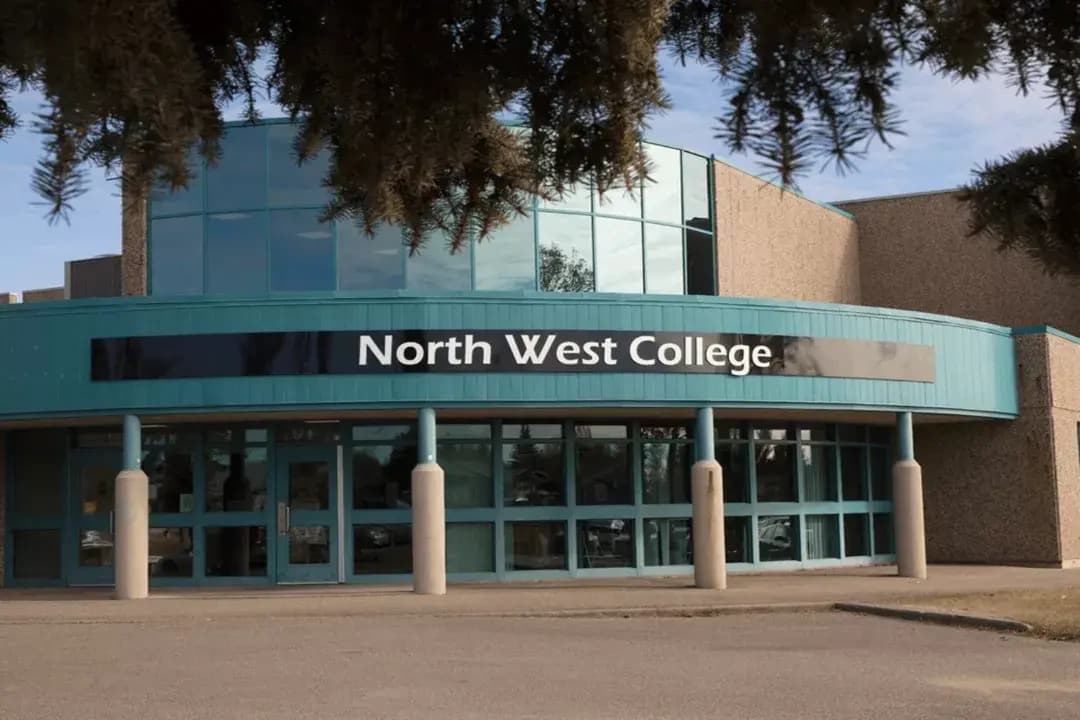
Continuing Care Assistant Certificate

North West College, North Battleford, Canada
Earliest Intake
October 2026
Gross Tuition
7514 C$

Certificate & Diploma
8 months
Continuing Care Assistant Certificate
Great Plains College, Martensville, Canada
Earliest Intake
October 2026
Gross Tuition
17000 C$
Certificate & Diploma
8 months
Continuing Care Assistant
Southeast College, Weyburn, Canada
Earliest Intake
November 2026
Gross Tuition
19550 C$
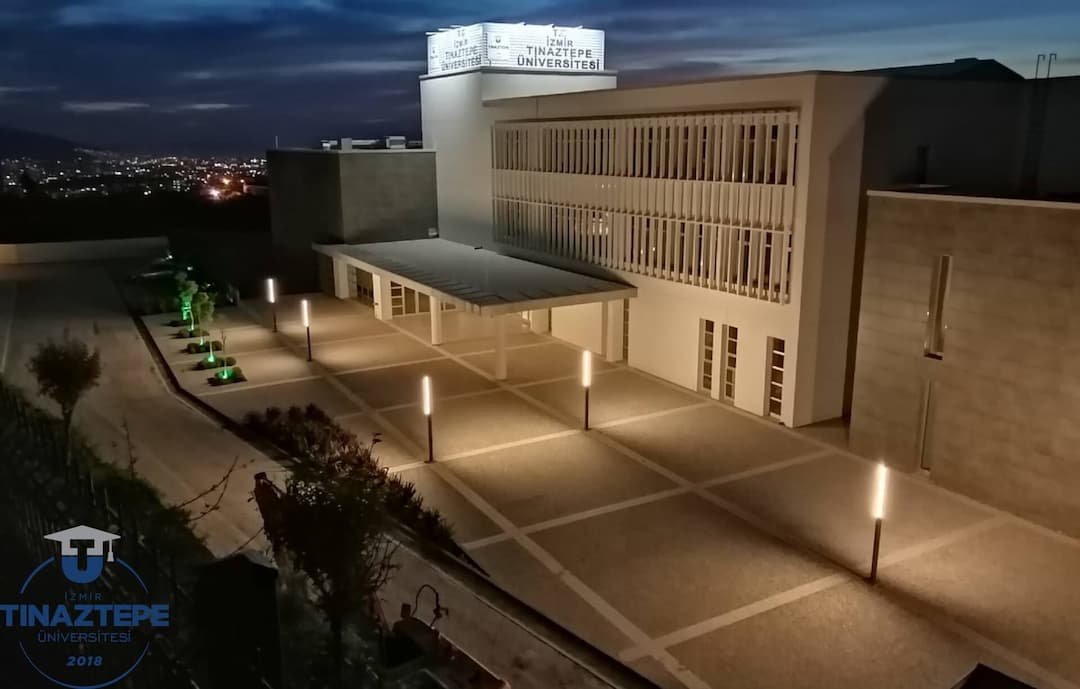

Certificate & Diploma
24 months
Medical Imaging Techniques
İzmir Tınaztepe University, Buca, Turkey
Earliest Intake
February 2026
Gross Tuition
3150 $
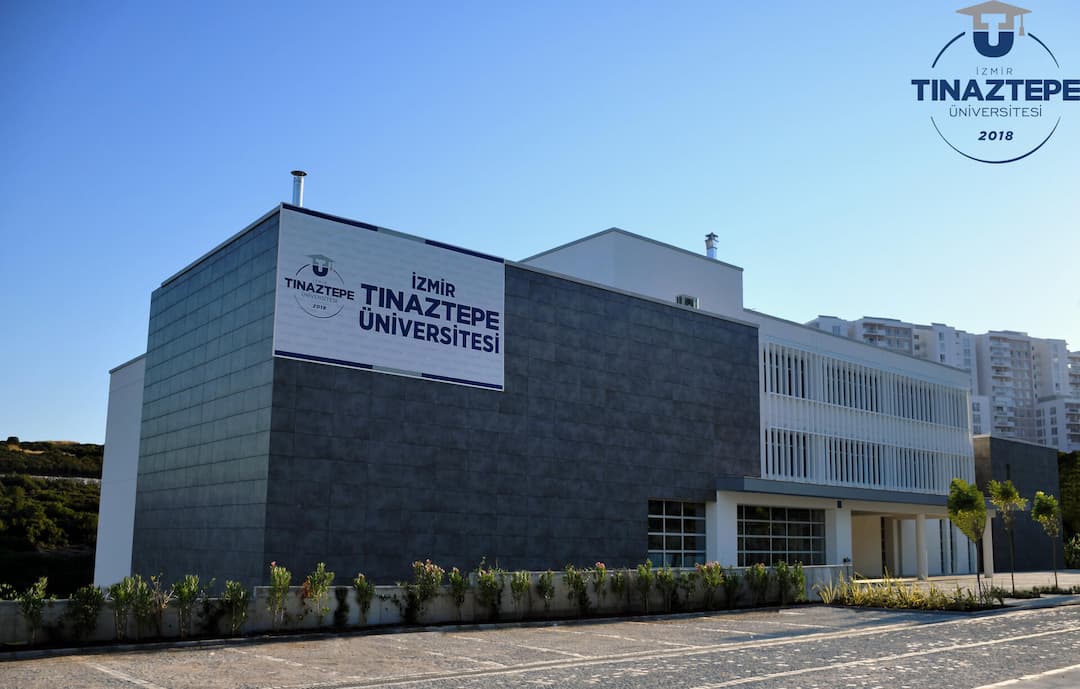
Certificate & Diploma
24 months
Autopsy Assistant
İzmir Tınaztepe University, Buca, Turkey
Earliest Intake
February 2026
Gross Tuition
3150 $



Uni4Edu AI Assistant