
Strength and Conditioning (Hons)
Bedford Campus, United Kingdom

Overview
To apply this knowledge, you will learn to coach effective strength and conditioning programmes through high-volume, low-intensity exercise testing and coaching during our units in Applied Strength and Conditioning and Advanced Strength and Conditioning. Focusing on Biomechanics, you will acquire the skills for biomechanical measurement and assessment techniques in sports science practice while considering sports performance and injury prevention. Similarly, you will learn of the principles of human movement, anatomy and the application of sports biomechanics in our units in Anatomy and Biomechanics and Biomechanics for Sport and Exercise Science. This links closely with our Human Physiology unit where you will question how the human body adapts to exercise alongside studying physiological systems, major organs of the body and how they respond at rest.
You will look at this further in our Applied Exercise Physiology unit where you will consider the current measures of exercise performance and issues within applied physiology. Using both theory and practice, you will then examine the current factors that influence sport and exercise performance, how the human body adapts to different types of exercise and various training methods in our Physiology of Exercise and Adaptation unit. In areas of the mind, you will be given an Introduction to Sport and Exercise Psychology and how it contributes to performance enhancement and athlete wellbeing. Moreover, this course also gives you the flexibility to choose from a range of optional units. You can explore a variety of techniques in Applied Sport and Exercise Psychology, develop techniques for biomechanical analyses in our Applied Biomechanics unit, or learn how to safely prescribe exercise, particularly for individuals with low-risk diseases in our Exercise and Fitness Testing for Clinical Populations unit. Additionally, based on the latest research and trends in the fitness industry, our unit Advanced Applied Exercise Practice will allow you to build on practical and procedural elements of work.
Finally, you may complete a Dissertation for Sport Science and Physical Activity on a key issue relevant to your study and examine it using the skills and knowledge gained from your academic study. To help you with this, our units in Dissertation Preparation and an Introduction to Research Methods will support you in reading and understanding research, and to complete a proposal with ethical documentation. Alternatively, you may complete a Work Placement Project that will allow you to undertake work experience in the field that can be used to develop reflective practice, critical evaluation and work-based skills. To prepare you for your career, you will be provided with skills for the job application and interview process in our Professional Development and Employability unit. To add to this, you can also undertake a Professional Practice Year (Sport Science and Physical Activity) that will allow you to gain work experience while developing your professional skills.
Similar Programmes
Master's & Postgraduate
12 months
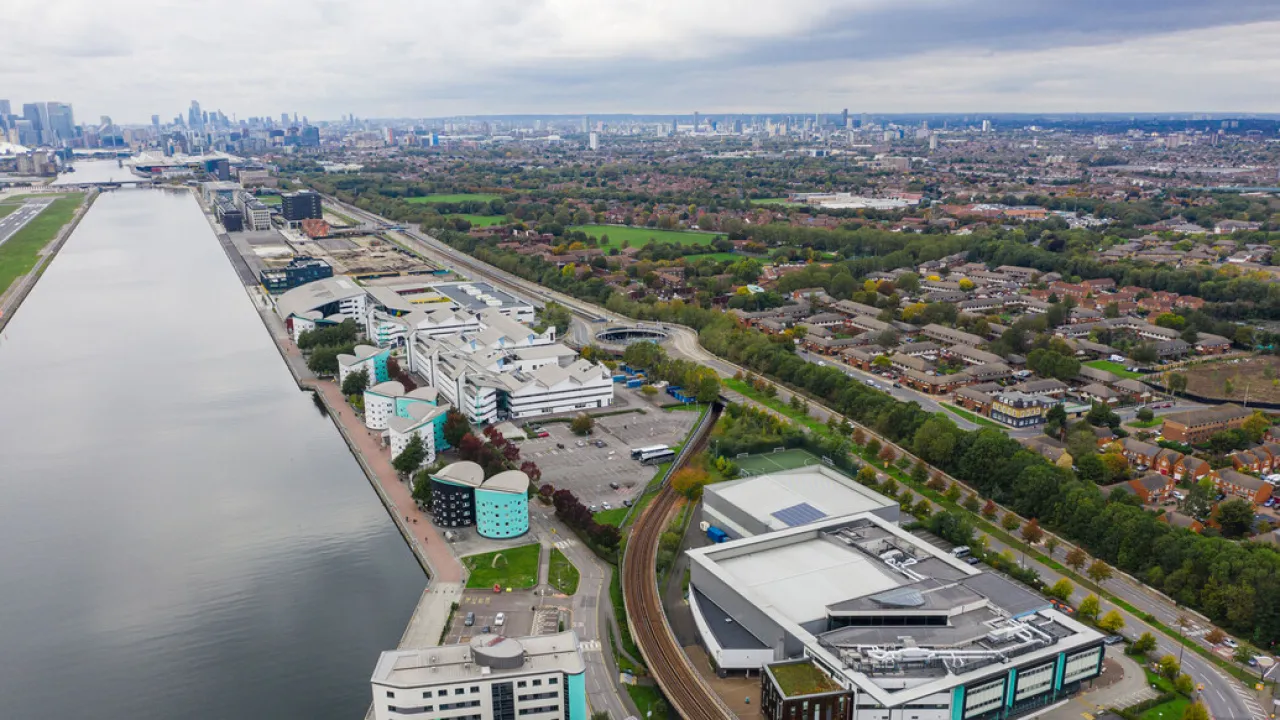
Applied Sport and Exercise Sciences (Sport Psychology) MSc

University of East London, London, United Kingdom
Earliest Intake
September 2025
Gross Tuition
17220 £


Bachelor's Degree
36 months
Sport/Sport Sciences BA
University of Göttingen, Göttingen, Germany
Earliest Intake
March 2026
Gross Tuition
7800 €

Bachelor's Degree
36 months
Sports Sciences and Sports Law
Mediterranean University of Reggio Calabria, Reggio Calabria, Italy
Earliest Intake
July 2025
Gross Tuition
230 €
Bachelor's Degree
36 months
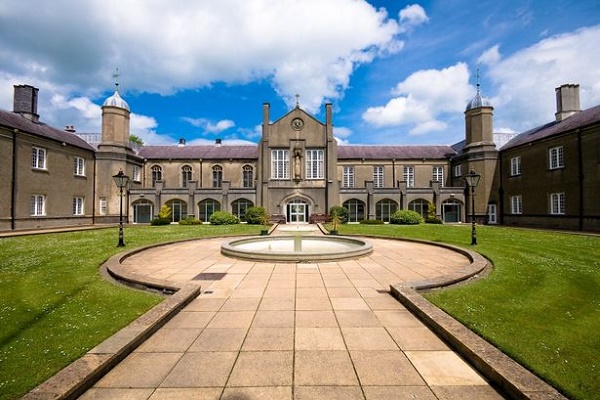
Sports Management (Swansea) BA
University of Wales Trinity Saint David, , United Kingdom
Earliest Intake
September 2025
Gross Tuition
15525 £
Master's & Postgraduate
24 months
Sport Science
Heidelberg University, Heidelberg, Germany
Earliest Intake
June 2026
Gross Tuition
3000 €



Uni4Edu AI Assistant
