
Biology (MS)
San Marcos, Texas, USA, United States

Overview
Biology (M.S.)
Graduate study in biology integrates classroom and field or laboratory experience to help meet the current and future scientific needs of society.
The Department of Biology offers students opportunities to study in the field or in modern facilities with up-to-date instrumentation and resources, including a DNA-sequencing unit, an integrated microscopy facility, high-speed digital networks and computing centers, a GIS lab, greenhouses, wet labs, and extensive collections of plant and animal specimens.
Course Work
Students can pursue either a 30 semester credit hour thesis-based master of science (M.S.) degree in biology or a 36 credit hour non-thesis degree. Students who choose the thesis-based program, which requires the completion of a substantial research project spanning multiple semesters, are usually preparing for advanced graduate study, for professional careers with governmental or non-governmental agencies, or for advanced training in technology-related fields. Students preferring to receive broad training across the field of biology without a formal research experience, such as secondary science teachers or those preparing for entrance to professional programs in the health sciences, often choose the 36 hour non-thesis M.S. degree, which requires the completion of both coursework and a one-semester research experience.
Program Details
Current students are widely recognized for their research and scholarship accomplishments at both the national and state levels. Graduates have been very successful in pursuing professional careers or further education.
Program Mission
The goal of the Department of Biology is to attain national and international prominence through the integration of graduate and undergraduate education with a variety of basic and applied multidisciplinary research programs.
Career Options
The master’s degrees in biology help to prepare students for:
- professional training in medicine, dentistry, and other health-related fields
- Ph.D. level training in biological research
- careers in teaching at the secondary or community college level
- management and advanced technical positions in bioscience industries
- participation in society as biologically literate professionals in non-biological careers
Program Faculty
The Department of Biology faculty consistently has been recognized with the Presidential Awards for Excellence in Research, Teaching, and Service, the most prestigious awards offered by Texas State. Under close faculty guidance, graduate students execute their research projects and are encouraged to publish and present their work at professional conferences. Research opportunities are available in many different areas of specialization, including aquatic biology, conservation biology, behavioral and evolutionary ecology, population biology and genetics, cell and molecular biology, microbiology, plant biology, science education, and wildlife ecology.
Similar Programmes
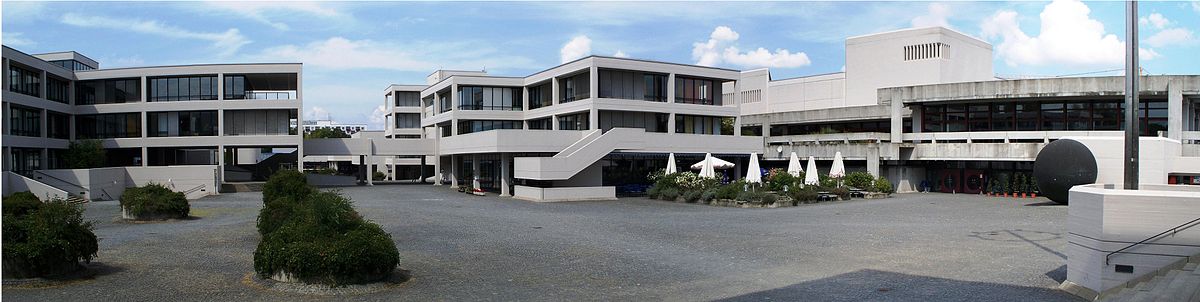

Master's & Postgraduate
24 months
Biology M.Sc.

University of Regensburg, Regensburg, Germany
Earliest Intake
May 2026
Gross Tuition
402 €
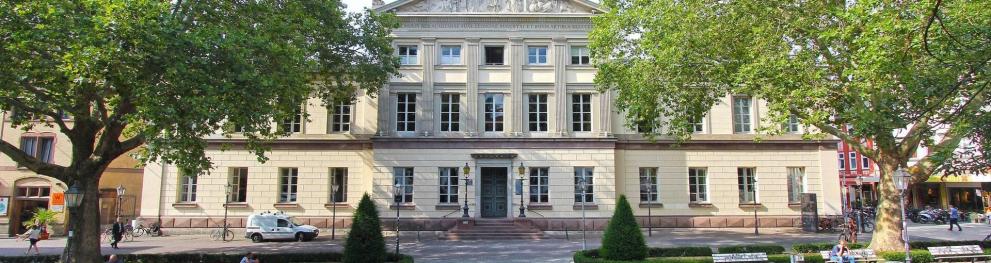

Master's & Postgraduate
24 months
Gender Studies (M.A.)
University of Göttingen, Göttingen, Germany
Earliest Intake
April 2026
Gross Tuition
873 €
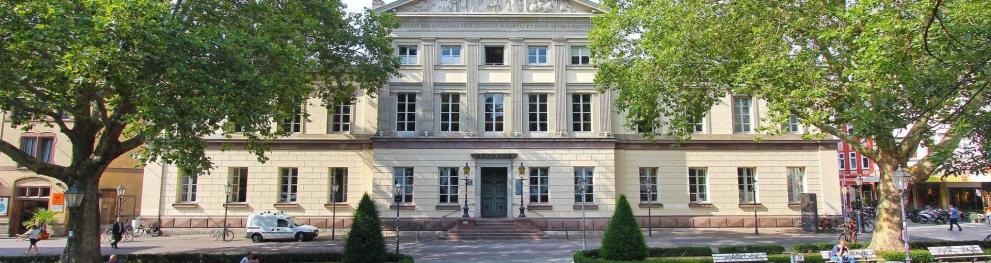
Master's & Postgraduate
24 months
Developmental, Neural and Behavioral Biology (M.Sc.)
University of Göttingen, Göttingen, Germany
Earliest Intake
March 2026
Gross Tuition
873 €
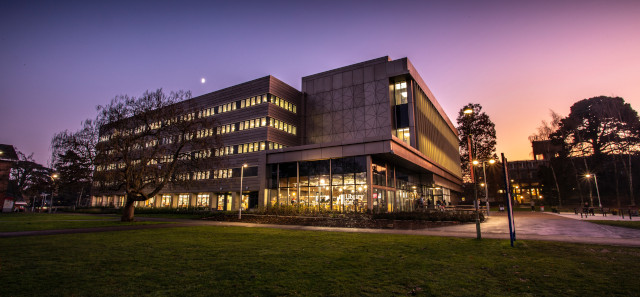

Bachelor's Degree
36 months
Biological Sciences
University of Reading, Reading, United Kingdom
Earliest Intake
September 2025
Gross Tuition
30650 £

Bachelor's Degree
48 months
Biology
Kwantlen Polytechnic University, Surrey, Canada
Earliest Intake
October 2025
Gross Tuition
24841 C$



Uni4Edu AI Assistant
