
Environmental Conservation BSc (Hons)
Bangor , United Kingdom

About This Course
Understanding how to tackle environmental issues such as pollution, climate change, unsustainable use of resources has become the important challenge of our century. We need to understand how we can effectively conserve species and their habitats. This course gives a theoretical grounding in how ecological systems work and a practical understanding of the issues surrounding environmental conservation. You’ll learn key skills needed by conservation professionals for monitoring habitats and species and how these need to consider social and economic factors for successful conservation.
Successful conservation relies on an interdisciplinary approach. Our supportive, friendly and accessible staff have a range of expertise covering conservation, ecology, environmental science, forestry, and the social sciences. The Centre for Evidence Based Conservation, a world-recognised centre for translating conservation science into policy, is based here at Bangor.
Our location, between the Menai Strait and Snowdonia National Park, offers unrivalled opportunities for learning about ecology, conservation and the natural environment outside the lecture theatre. Our courses are packed with field trips and practical sessions.
We have close links with many of the local conservation organisations including Snowdonia National Park Authority, Natural Resources Wales and the British Trust for Ornithology which help students gain understanding of conservation practice.
We also have excellent links with conservation organisations throughout the world. Staff and students are currently working in Madagascar, Costa Rica, Colombia, Ghana, Kenya and Bangladesh for example.
It is possible to take the course as either a three-year degree or over four years with a placement year working with a relevant conservation organisation in the UK or overseas.
Why choose Bangor University for this course?
- TV presenter Steve Backshall is now part of our teaching team.
- Our location, between the Menai Strait and Snowdonia National Park, offers unrivalled opportunities for learning about ecology, conservation and the natural environment.
- We have close links with many of the local conservation organisations: Natural Resources Wales, British Trust for Ornithology Snowdonia National Park Authority etc.
- We have excellent links with conservation organisations throughout the world. Staff and students are currently working in Madagascar, Costa Rica, Indonesia, Bolivia, Kenya and Bangladesh.
Course Content
The modules we offer on this degree use a wide variety of teaching methods ranging from lectures, practicals and fieldwork to seminars and tutorials. Seminars and tutorials concentrate on problem solving, study skills development and reinforcing material taught in lectures; their relaxed and informal atmosphere also encourages lively debate over current and contentious issues. We asses you through a variety of methods with an average split of 60% coursework and 40% examination. All our modules make extensive use of our virtual learning environment, which provides direct access to learning resources, course documents and lecture notes. If you opt for the placement year, you will spend your third year working with a relevant organisation gaining valuable career experience.
In year’s one and two you will study 120 credits in each year, through a range of lectures, tutorials, seminars and fieldwork. Our courses are modular. Although some modules are, by necessity, compulsory, others are optional, allowing you to expand your studies into new areas or develop specialisms that are of particular interest to you.
In the final year you will take a compulsory module in human aspects of conservation as well as selecting from a wide range of others, including wildlife ecology & conservation, marine conservation and exploitation, upland management and coping with a changing planet. You will also work with a supervisor to design and carry out some original research. The management plan – where students develop a plan for an area of Snowdonia National Park – is a unique feature of this degree and gives valuable professional training. You will also have the option of going to Tenerife or Uganda for a week-long field trip.
Similar Programmes


Bachelor's Degree
48 months
Environmental Science

Manhattan University, Bronx, United States
Earliest Intake
June 2025
Gross Tuition
44100 $


Bachelor's Degree
48 months
Environmental Science
North Park University, Chicago, United States
Earliest Intake
September 2026
Gross Tuition
36070 $


Bachelor's Degree
48 months
Environmental Sciences
University of Toledo, Toledo, United States
Earliest Intake
June 2026
Gross Tuition
37119 $
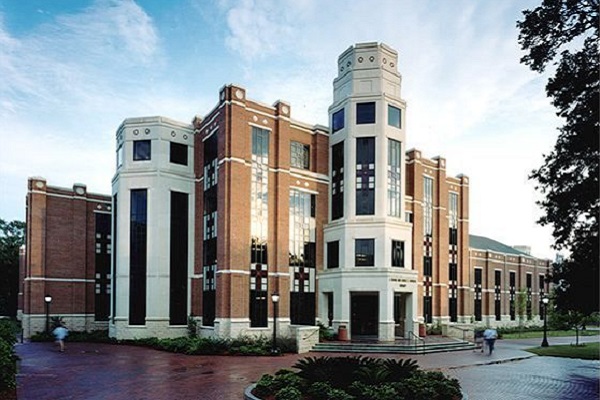

Bachelor's Degree
48 months
BS in Field Biology
Loyola University New Orleans, New Orleans, United States
Earliest Intake
March 2027
Gross Tuition
47390 $
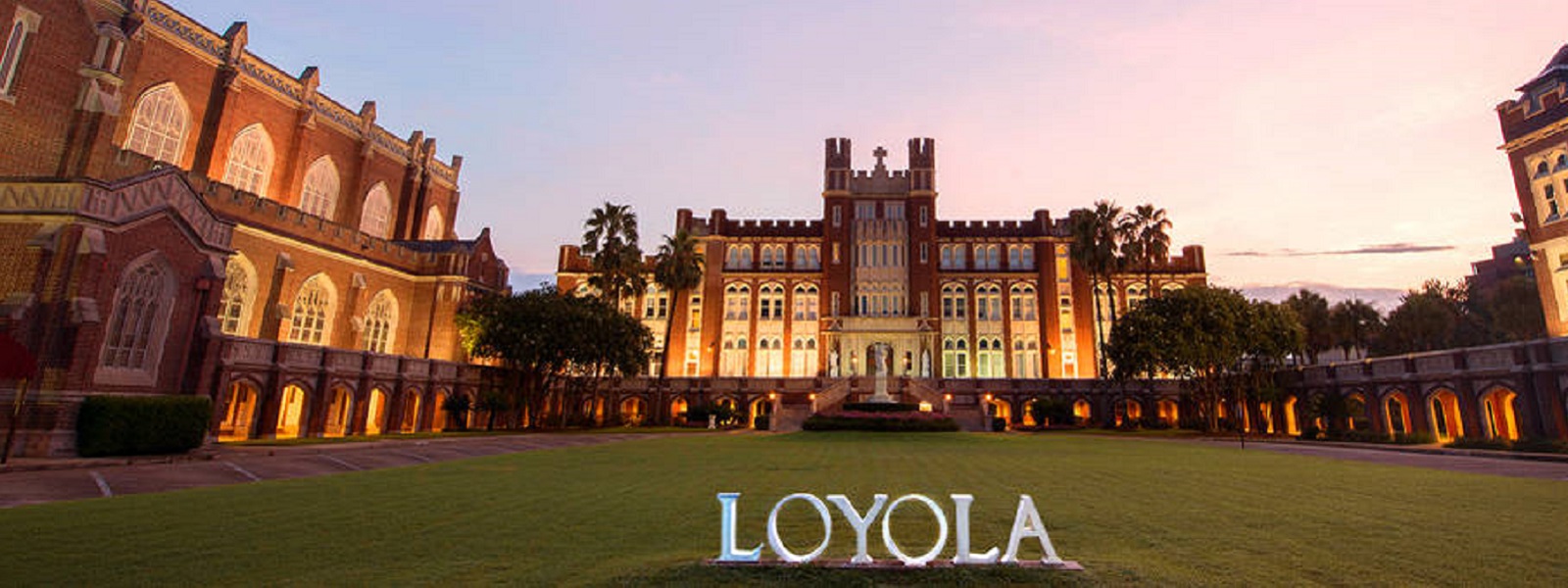
Bachelor's Degree
48 months
Environmental Science (Teacher's Science)
Loyola University New Orleans, New Orleans, United States
Earliest Intake
October 2026
Gross Tuition
47390 $



Uni4Edu AI Assistant