

Applied Environmental Informatics and Earth Observation Bachelor of Science (B.Sc.)
Karlsruhe Institute of Technology (KIT) Address, Germany


Bachelor of Science in Applied Environmental Informatics and Earth Observation
Karlsruhe Institute of Technology (KIT)
Environmental Informatics & Earth Observation
Program Overview: Applied Environmental Informatics and Earth Observation
The Bachelor's program in Applied Environmental Informatics and Earth Observation at KIT focuses on describing, understanding, and analyzing the complex interactions between humans, nature, and technology in an interdisciplinary manner. This new program, launching in the Winter Semester 2025/26, combines content from environmental sciences, computer science, geosciences, geodesy, and remote sensing to prepare graduates for the critical challenges facing our planet.
During your studies, you will receive a solid foundational education in natural sciences and engineering while learning modern tools for data acquisition and evaluation. These range from geostatistical methods and earth observation measurement techniques to the application of current AI technologies for analyzing large volumes of environmental data.
The program places a strong emphasis on practical relevance, with many courses supplemented by hands-on exercises and laboratory sessions. In addition to a fixed compulsory component of 142 credit points, you can tailor your studies by choosing from three elective profiles: Geodesy and Geoinformatics, Hydrology and Geoecology, or Applied Geosciences.
Key Program Highlights
- Strong interdisciplinary and transdisciplinary focus bridging geosciences, environmental sciences, computer science, and remote sensing
- Hands-on training with modern AI methods, geostatistical analysis, and earth observation measurement technologies
- Three customizable elective profiles allowing you to specialize in Geodesy and Geoinformatics, Hydrology and Geoecology, or Applied Geosciences
- Part of KIT's Department of Civil Engineering, Geo and Environmental Sciences, one of Germany's leading research faculties
Curriculum and Modules
The curriculum is structured into individual modules spanning a maximum of two semesters each. The program comprises 142 credit points of compulsory subjects, 26 credit points from an elective profile, and a 12-credit-point bachelor's thesis, totaling 180 ECTS over six semesters.
Mathematics and Statistics
24 ECTSFoundational courses in higher mathematics, linear algebra, and geostatistical methods essential for environmental data analysis and spatial modeling.
Applied Computer Science and Programming
22 ECTSIntroduction to programming, algorithms, data structures, and applied informatics methods used in environmental data processing and AI-based analysis.
Earth Observation and Remote Sensing
24 ECTSPrinciples of satellite-based and airborne remote sensing, image processing, sensor technologies, and interpretation of spatial and temporal earth observation data.
Environmental Sciences Fundamentals
22 ECTSCore knowledge in ecology, climatology, hydrology, and soil science, providing the environmental context for informatics applications.
Geodesy and Geoinformatics
24 ECTSGeodetic measurement methods, geographic information systems (GIS), spatial data infrastructure, and coordinate reference systems for environmental mapping.
Physics and Natural Science Foundations
14 ECTSPhysical principles underlying environmental processes, measurement technologies, and sensor systems used in earth observation and geoscientific research.
Elective Profile Areas
Admission Requirements
The Applied Environmental Informatics and Earth Observation program at KIT is offered without admission restrictions (no numerus clausus). To apply, you will need a recognized university entrance qualification and should have a strong interest in scientific topics and modern digital methods. All applications are processed through Uni4Edu.
Academic Requirements
- University Entrance QualificationGerman Abitur or recognized equivalent international secondary school diploma qualifying for university admission
- Subject PrerequisitesStrong background in mathematics and physics is recommended; minimum performance in certain subjects as per admission regulations
- Admission RestrictionNo numerus clausus — the program is offered without capacity restrictions
- Semester StartWinter semester only (October start)
- Prior ExperienceInterest in scientific inquiry, environmental topics, and modern digital and computational methods is essential
Language Requirements
- German Proficiency (Non-native Speakers)DSH-2 or equivalent (e.g., TestDaF TDN 4 in all sections) required for non-native German speakers
- Language of InstructionGerman — all lectures, seminars, and examinations are conducted in German
- English ProficiencyNot formally required, but recommended for reading scientific literature
Required Documents
Application Deadlines
For personalized admission guidance, document verification, and application support, please contact Uni4Edu
Scholarships and Funding
KIT and various German funding organizations offer financial support to help international students pursue their studies. While public universities in Germany generally have low or no tuition for EU students, non-EU international students in Baden-Wuerttemberg may be subject to semester fees. Uni4Edu can assist you in identifying and applying for suitable funding opportunities.
DAAD Scholarships for International Students
Varies (typically EUR 861 per month for undergraduate students)The German Academic Exchange Service (DAAD) offers merit-based scholarships covering living expenses, health insurance, and travel costs for international students studying at German universities including KIT.
Deutschlandstipendium (Germany Scholarship)
EUR 300 per monthA national merit-based scholarship funded jointly by the German federal government and private sponsors, awarded to high-achieving students regardless of nationality for a minimum of two semesters.
Baden-Wuerttemberg-STIPENDIUM
Up to EUR 600 per monthA regional scholarship program supporting international exchange students and incoming degree-seeking students in Baden-Wuerttemberg, promoting academic excellence and intercultural exchange.
For detailed tuition fee information, please contact Uni4Edu — we will guide you through the costs and available funding options for this program.
Career Prospects
Graduates of the Applied Environmental Informatics and Earth Observation program are equipped with interdisciplinary skills in data acquisition, processing, and analysis of spatial and temporal data. This unique combination of environmental science, informatics, and earth observation expertise opens doors to a wide range of careers in both the public and private sectors, addressing some of the most pressing environmental challenges of our time.
Potential Career Roles
Potential Employers
Rankings and Recognition
Karlsruhe Institute of Technology (KIT) is one of Germany's leading research universities and consistently ranks among the top institutions worldwide, particularly in engineering, natural sciences, and technology. As a member of the Helmholtz Association, KIT combines academic teaching with large-scale research, providing students with exceptional learning and research opportunities.
| Subject | Ranking Body | Rank |
|---|---|---|
| Chemical Engineering | QS Subject Rankings | #25 |
| Materials Science | QS Subject Rankings | #26 |
| Mechanical Engineering | QS Subject Rankings | #32 |
| Earth and Environmental Sciences | QS Subject Rankings | Top 100 |
How to Apply
Applying for this program is easy with Uni4Edu. Our team will guide you through every step of the process — from document preparation to final enrolment.
Contact Uni4Edu
Reach out to our team via email or phone. We will assess your profile and confirm your eligibility for this program.
Prepare Your Documents
Our advisors will provide you with a personalised checklist of required documents and help you prepare your application package.
Submit Your Application
Uni4Edu will submit your application on your behalf and keep you updated on its progress throughout the review period.
Receive Your Offer
Once accepted, we will help you understand your offer, arrange visa support if needed, and guide you through the enrolment process.
Similar Programmes


Bachelor's Degree
48 months
Hydrology and Atmospheric Science (BS)

University Of Arizona, Tucson, United States
Earliest Intake
January 2027
Gross Tuition
39958 $

Bachelor's Degree
48 months
Astronomy (BS)
University Of Arizona, Tucson, United States
Earliest Intake
January 2027
Gross Tuition
39958 $


Bachelor's Degree
48 months
Earth Sciences B.A.
Syracuse University, Syracuse, United States
Earliest Intake
September 2026
Gross Tuition
66580 $

Bachelor's Degree
36 months
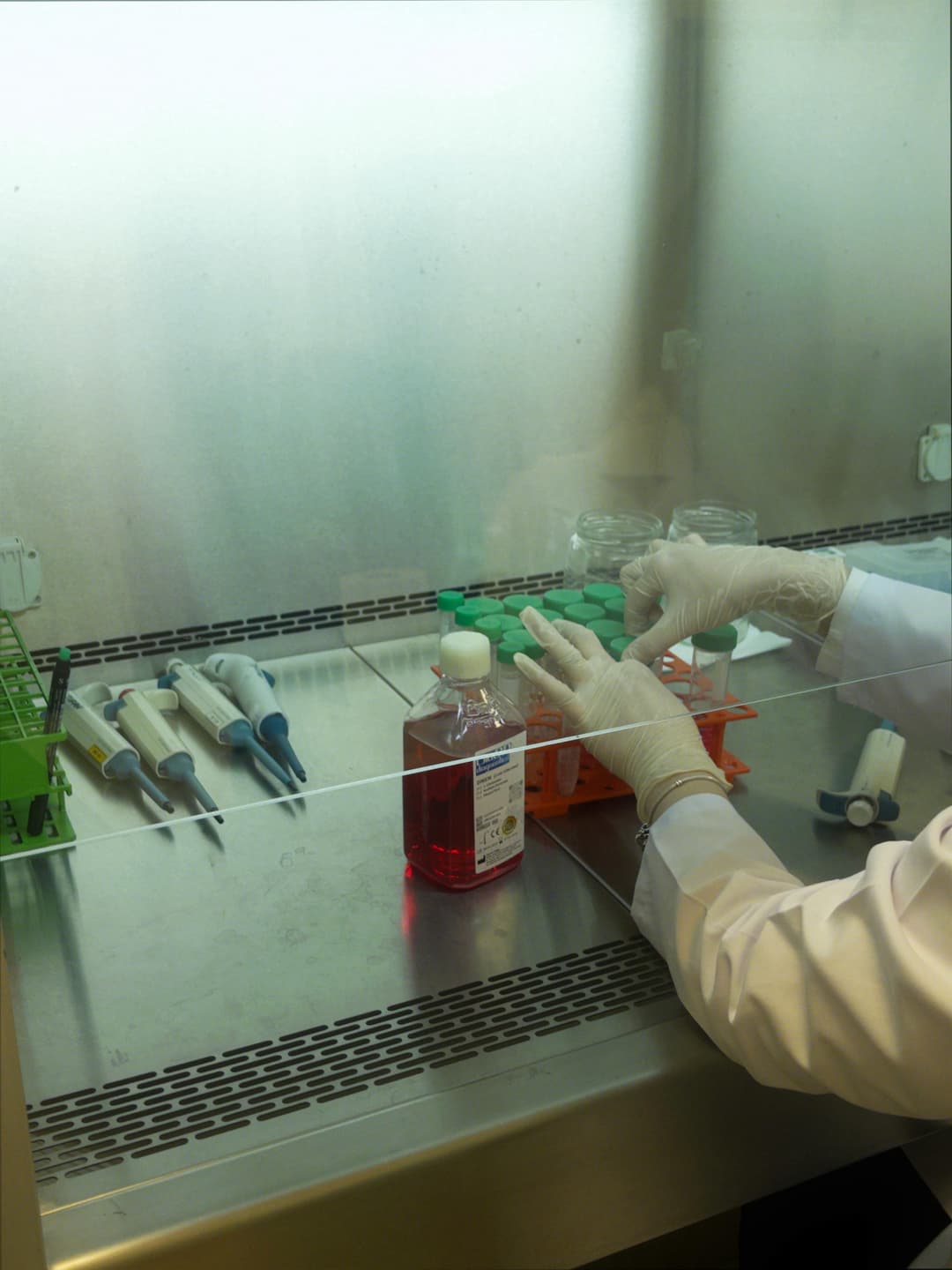
Biological Sciences BSc
Northumbria University, Newcastle upon Tyne, United Kingdom
Earliest Intake
January 2027
Gross Tuition
21500 £

Bachelor's Degree
36 months
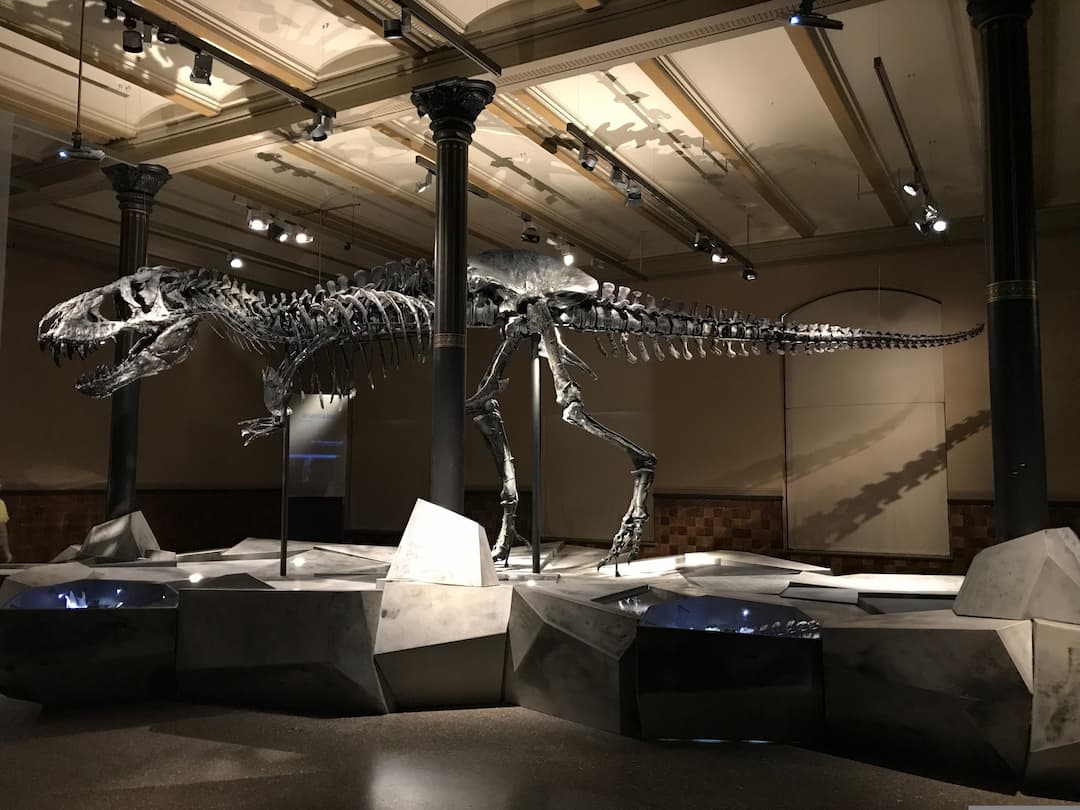
Palaeontology and Evolution
University of Bristol, Bristol, United Kingdom
Earliest Intake
January 2027
Gross Tuition
31300 £



Uni4Edu AI Assistant
