Warsaw University of Life Sciences
Warsaw, Poland
Warsaw University of Life Sciences (SGGW)
Warsaw, Poland
Founded
1816
Institution Type
Public University
Total Students
~20,000
Faculties
13
Discover Warsaw University of Life Sciences (SGGW)
Discover Warsaw University of Life Sciences (SGGW)
Warsaw University of Life Sciences, known in Polish as Szkola Glowna Gospodarstwa Wiejskiego (SGGW), is the oldest agricultural and natural science university in Poland and the fourth of its kind established in Europe. Founded in 1816 as the Agronomic Institute in Marymont, the university has over two centuries of academic tradition and is today one of Poland's largest and most respected institutions of higher education.
SGGW offers approximately 37 different fields of study across 13 faculties, with research carried out by 16 institutes. Its academic programs span agricultural sciences, biology, horticulture, food and nutrition, forestry, veterinary medicine, economics, social sciences, computer science, technology, and engineering. The university also offers 13 degree programs taught entirely in English for international students.
The university is a member of the Euroleague for Life Sciences (ELLS) and the UNIgreen Alliance, a consortium of eight European universities focused on sustainable agriculture and green biotechnology. SGGW partners with approximately 275 foreign institutions worldwide, enabling extensive student and staff mobility through programs such as Erasmus+.
Key Milestones
- 1816: Agronomic Institute founded in Marymont, becoming the first agricultural higher education institution in Poland.
- 1919: After Poland regained independence, the university was nationalized and officially named the Warsaw University of Life Sciences.
- 1956: Received a land grant in the Ursynow district of Warsaw, beginning the development of its modern campus.
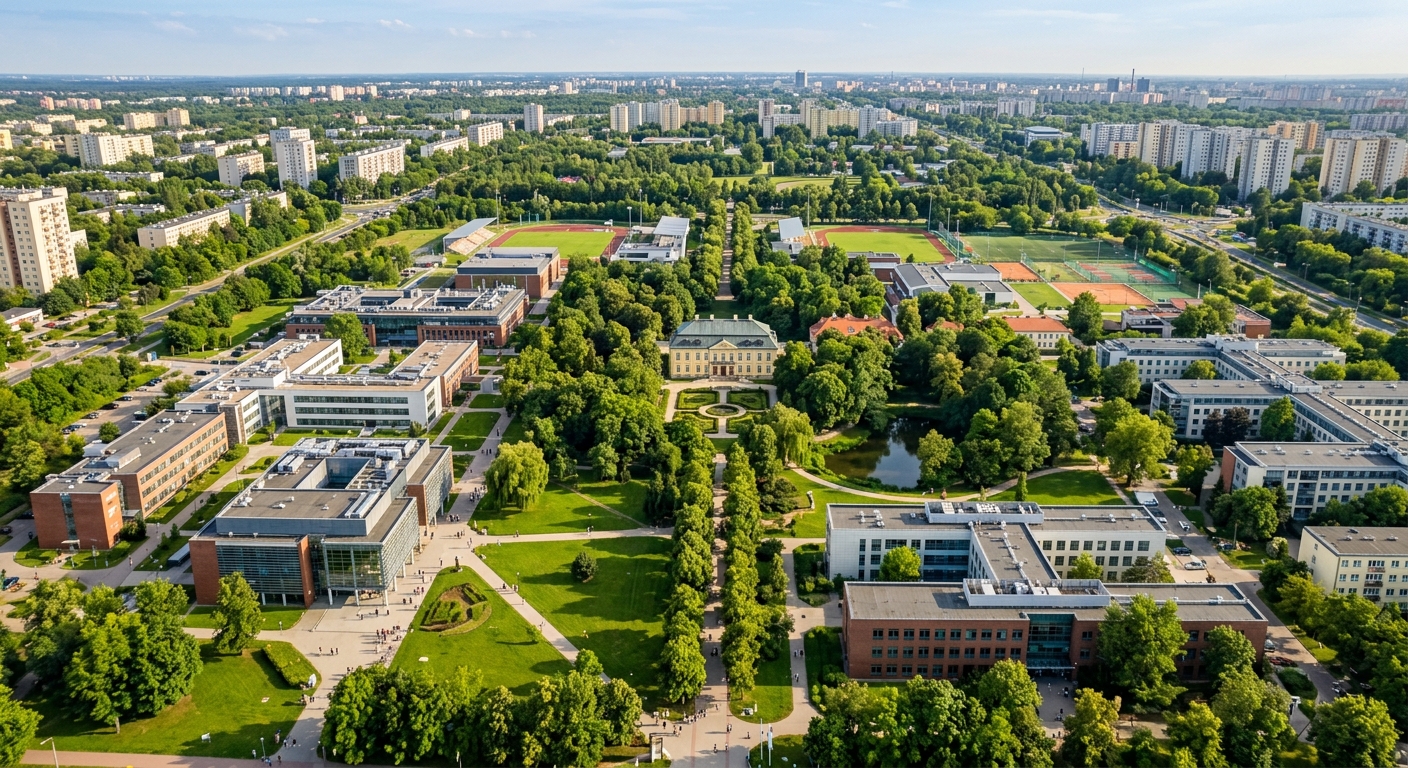
- 2003: All faculties and departments transferred to the Ursynow campus, creating one of the most modern university campuses in Europe.
Academic Structure and Faculties
Academic Structure and Faculties
SGGW's academic offerings are organized across 13 faculties and 16 research institutes, covering a wide range of disciplines from natural and life sciences to economics and engineering. The university offers bachelor's, master's, and doctoral programs, with several English-taught degree options available for international students.
Faculty of Agriculture and Ecology
Focuses on agricultural sciences, environmental management, and ecological studies, preparing graduates for careers in sustainable farming and land management.
- Agriculture
- Environmental Protection
- Ecology
Faculty of Veterinary Medicine
Offers a comprehensive veterinary medicine program ranked among the top globally, covering animal health, diagnostics, and clinical practice.
- Veterinary Medicine
- Animal Sciences
- Veterinary Diagnostics
Faculty of Food Technology
Covers food science, food engineering, and nutrition technology, with strong links to Poland's food industry and research in food safety and quality.
- Food Technology and Human Nutrition
- Food Safety
- Nutrition and Food Studies
Faculty of Forestry and Wood Technology
Provides education in forest management, wood technology, and sustainable resource use, with Agriculture and Forestry ranked 38th globally by QS.
- Forestry
- Wood Technology
- Renewable Energy Sources
Faculty of Economics
Offers programs in economics, management, logistics, and finance with a focus on agribusiness and the bioeconomy sector.
- Economics
- Logistics
- Management
Faculty of Civil and Environmental Engineering
Focuses on civil engineering, environmental engineering, and infrastructure development with programs available in English for international students.
- Civil Engineering
- Environmental Engineering
- Information Technology
Admission Requirements for International Students
Admission Requirements for International Students
Undergraduate Admission
- EducationCompleted secondary education with a recognized high school diploma or equivalent
- Diploma RecognitionCertificate must be recognized as equivalent to the Polish high school certificate (matura)
- English ProficiencyIELTS 6.0 or TOEFL 72 minimum for English-taught programs
- ApplicationComplete the online application form on the university's admission portal
- DocumentsCertified copies of transcripts, passport, and health insurance proof
Graduate Admission
- EducationRelevant bachelor's degree or equivalent for master's programs
- English ProficiencyIELTS 6.0 or TOEFL 72 minimum for English-taught programs
- TranscriptsOfficial academic transcripts from previous institution(s)
- Application FormCompleted online application via the SGGW admission system
- Additional DocumentsCV, motivation letter, and passport copy; some programs may require an interview
Online registration begins for the October academic year intake for most English-taught programs.
Deadline for submitting complete applications and supporting documents for the fall semester.
Applicants receive admission decisions and must confirm enrollment and submit original documents.
The winter semester starts in October. International students should arrive in time for orientation activities.
Tuition Fees and Scholarships
Tuition Fees and Scholarships
SGGW offers competitive tuition rates compared to many Western European universities. Polish-language programs may be tuition-free for EU/EEA citizens and Polish Card holders, while English-taught programs carry tuition fees for all students. Contact the university directly for the most current fee schedule.
| Fee Category | EU/EEA Students | Non-EU Students |
|---|---|---|
| Undergraduate Tuition (per year, English) | From EUR 2,000 | From EUR 2,000 |
| Graduate Tuition (per year, English) | From EUR 2,000 | From EUR 2,000 |
| Dormitory Accommodation (per month) | EUR 100 - 150 | EUR 100 - 150 |
| Registration / Application Fee | Contact university | Contact university |
| Total | Contact university for current totals | Contact university for current totals |
Rector's Scholarship for Academic Excellence
Awarded to students who demonstrate outstanding academic achievements, participation in scientific research, or significant contributions to university life.
- Eligibility: Top-performing students based on GPA and extracurricular achievements
- Coverage: Monthly stipend; amount varies by academic year
- Application: Apply through the university's student affairs office each semester
Erasmus+ and International Mobility Grants
SGGW participates in Erasmus+ and bilateral exchange agreements with approximately 275 partner institutions, offering financial support for study and training abroad.
- Eligibility: Enrolled SGGW students participating in exchange programs
- Coverage: Monthly grant covering living expenses during exchange period
- Duration: One to two semesters depending on the program agreement
Campus and Facilities
Campus and Facilities
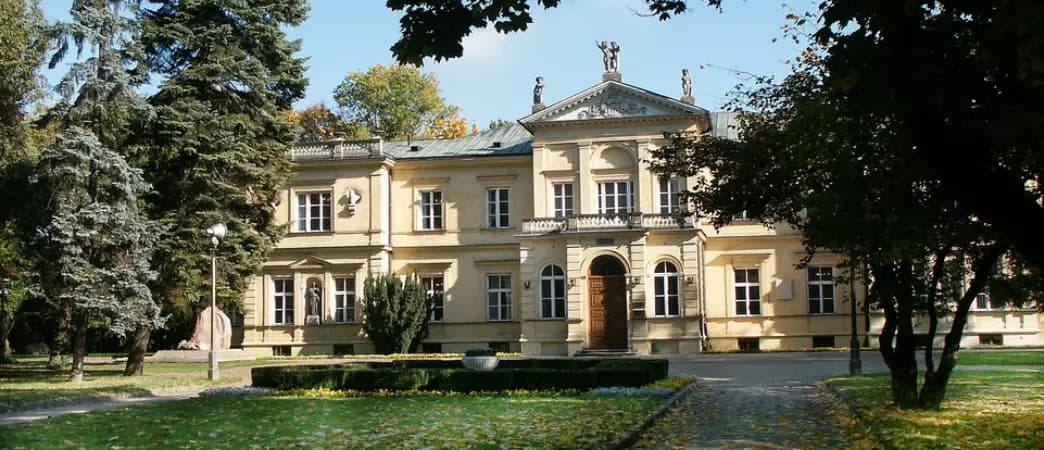
The SGGW campus is located in Ursynow, a green and well-connected district in southern Warsaw. Spanning 70 hectares, the campus combines historic architecture, including an 18th-century palace, with modern research and teaching buildings, making it one of the most comfortable university complexes in Poland.
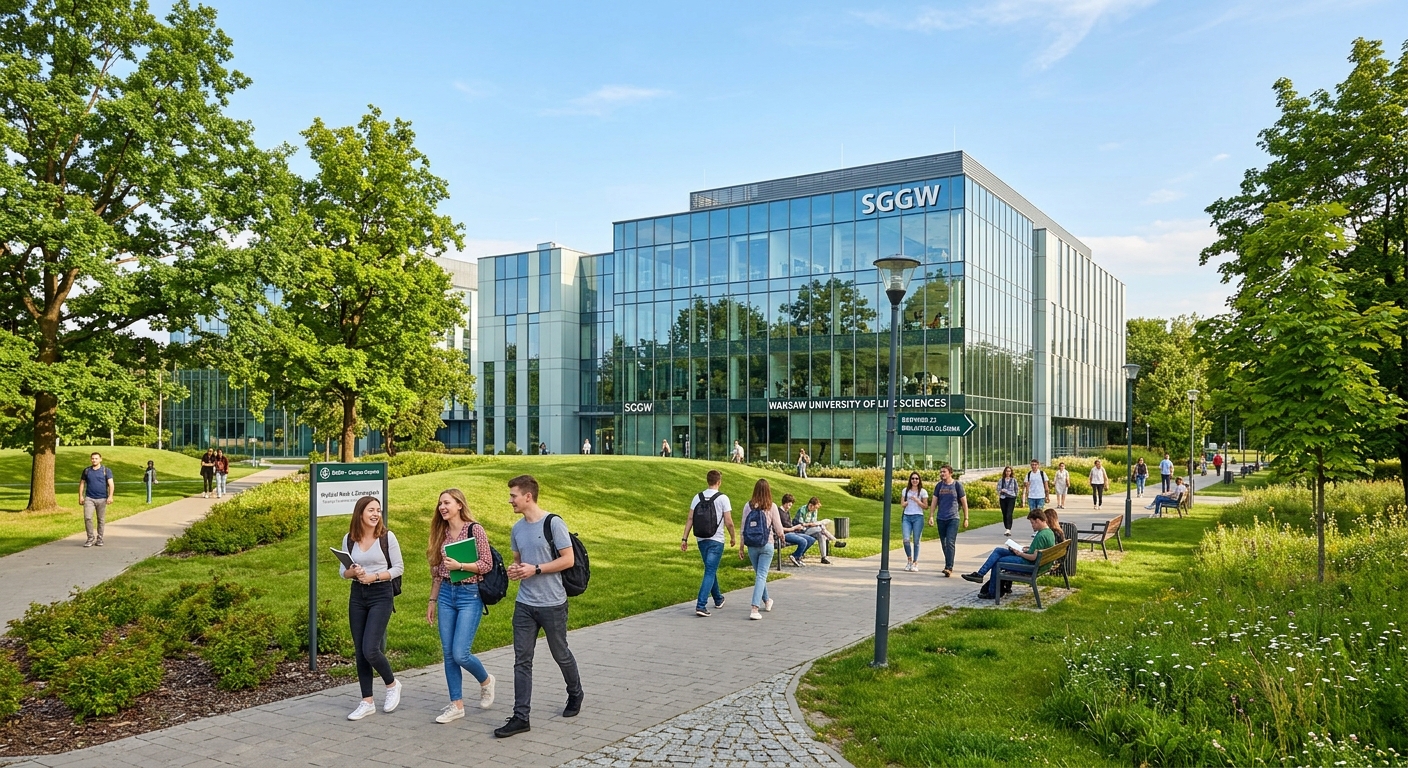
State-of-the-art lecture halls, laboratories, and research centers equipped with advanced technology for teaching and scientific inquiry.
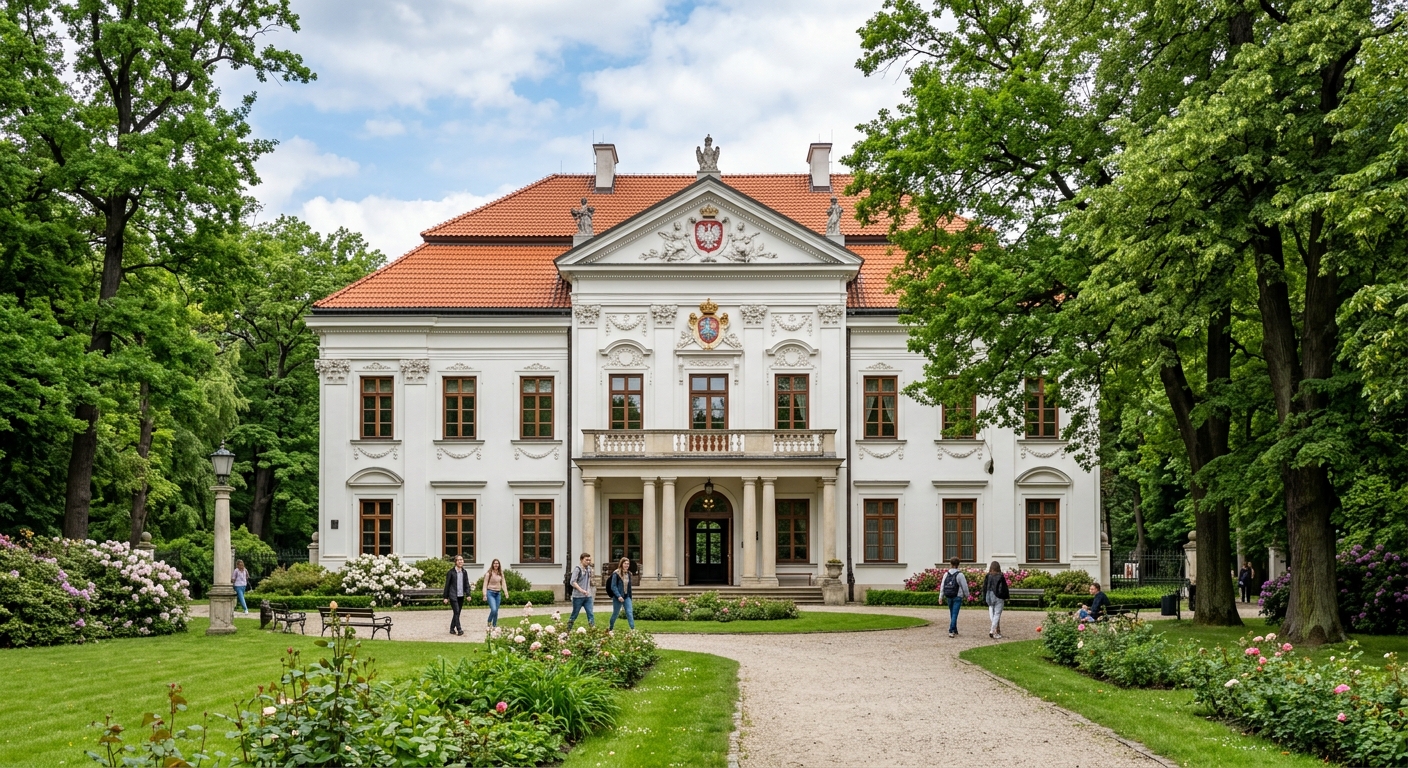
The 18th-century palace of Julian Ursyn Niemcewicz serves as the seat of the university's rector and a symbol of SGGW's heritage.
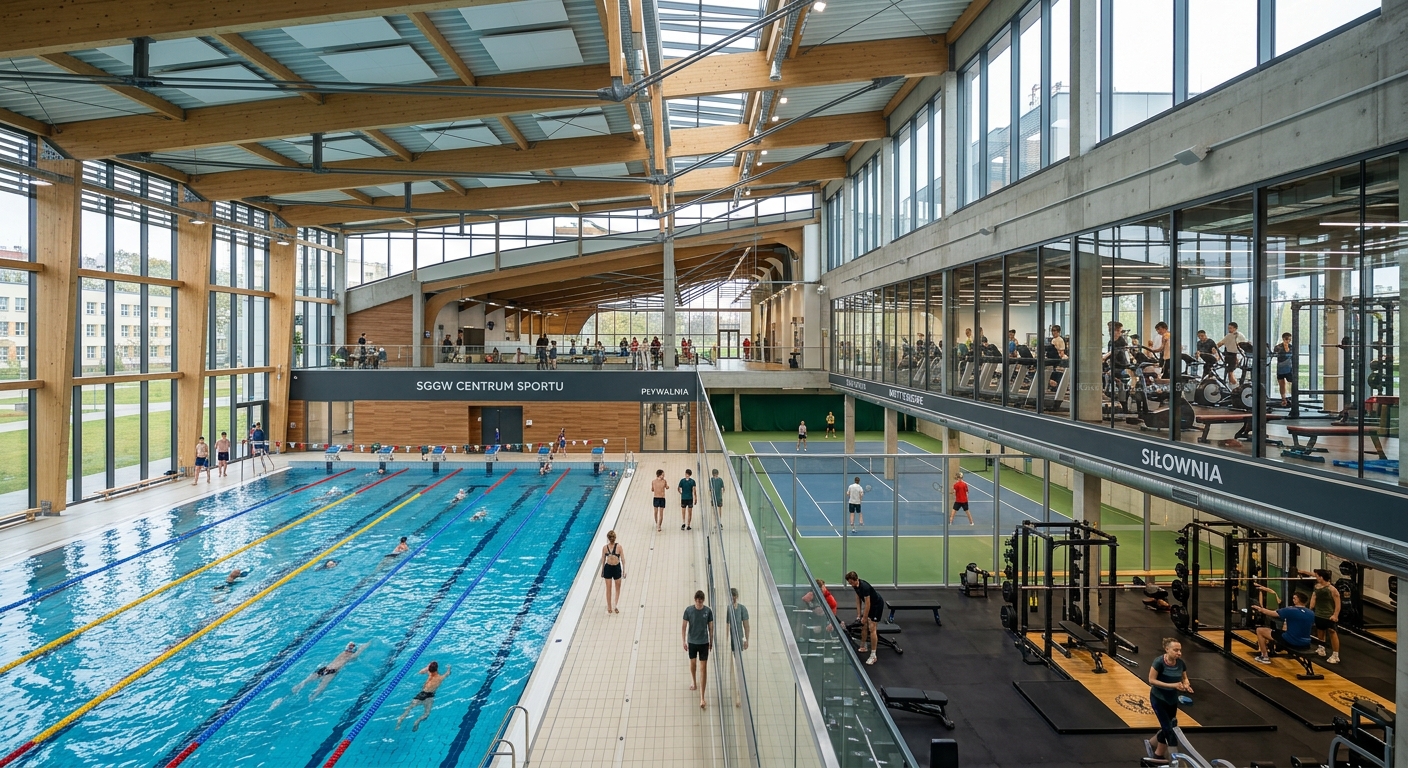
A fully equipped sports complex featuring a swimming pool, tennis courts, sports hall, gym, and an indoor equestrian center.
Housing and Dining
Student Dormitories
SGGW offers over 4,000 dormitory places in 12 residence halls on campus. Rooms are available in single, double, and triple configurations, each with a bathroom and kitchen access, plus broadband internet.
- 12 dormitory buildings on the main campus
- Rooms with bathroom and kitchen facilities
- Broadband internet in every dormitory
Dining and Services
The campus features student canteens, cafes, and dining options. Additional services include a student health center, the Wladyslaw Grabski Main Library with nearly half a million items, and over 50 computer labs.
- Student canteens and campus cafes
- On-campus student health center
- Main Library with extensive digital resources
Student Life at SGGW
Student Life at SGGW
SGGW has earned the reputation of being a student-friendly university. With a vibrant campus community, numerous student organizations, and a wide range of cultural and sporting activities, there is something for everyone beyond the classroom.
Warsaw: A Vibrant European Capital
Warsaw: A Vibrant European Capital
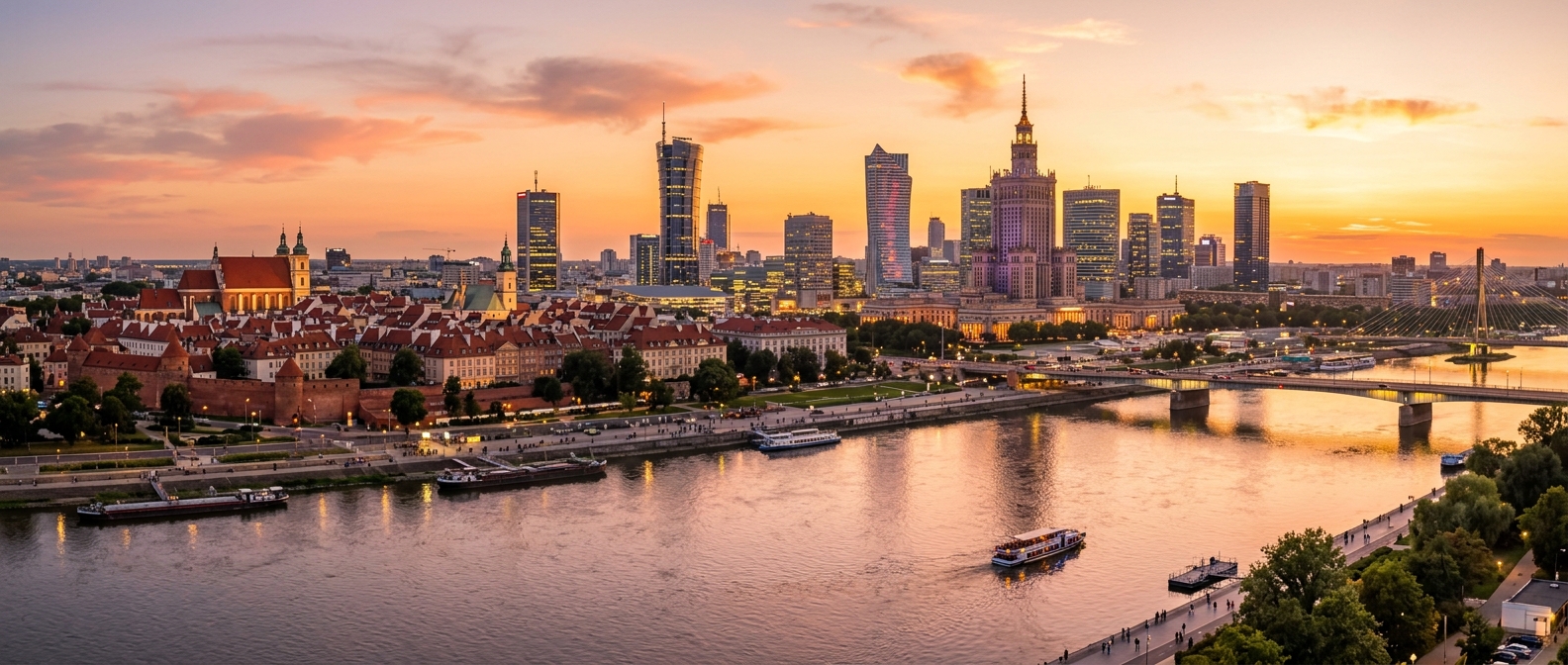
Living and Studying in Warsaw
Warsaw is Poland's capital and largest city, offering a rich cultural scene, historic landmarks, and a rapidly growing economy. The SGGW campus in Ursynow is well connected to downtown Warsaw and Warsaw Chopin Airport by public transport, making it easy for students to explore the city and travel internationally.
Historic Old Town
Warsaw's Old Town, a UNESCO World Heritage Site, was meticulously rebuilt after World War II and features colorful townhouses, the Royal Castle, and charming market squares.
Cultural Attractions
The city offers world-class museums, theaters, and galleries, including the Palace of Culture and Science, the POLIN Museum, and the National Museum.
Affordable Cost of Living
Warsaw is relatively affordable compared to other European capitals, with reasonable costs for dining, entertainment, and public transport that suit a student budget.
Green Spaces and Parks
Lazienki Park, one of Europe's most beautiful urban parks, and the Vistula riverbanks provide ample space for relaxation, jogging, and outdoor activities.
Career Outcomes and Notable Alumni
Career Outcomes and Notable Alumni
Industries and Sectors Employing SGGW Graduates
Practical Information for International Students
Practical Information for International Students
For International Students
WePoint is the dedicated support center where international students and staff receive essential information and assistance at the beginning and throughout their stay at SGGW.
International students from outside the EU/EEA need to apply for a Polish student visa at their nearest Polish consulate or embassy. The university's international office assists with required documentation.
SGGW partners with approximately 275 institutions worldwide through Erasmus+ and bilateral agreements, offering students opportunities for study and training abroad.
Key Contacts
- +90 5435286292
- +44 7868736984
- corporate@uni4edu.com
- info@uni4edu.com
Worldwide University Rankings
Worldwide University Rankings
Warsaw University of Life Sciences is recognized in major international university rankings, with particularly strong positions in agriculture, forestry, and life sciences. The university consistently ranks among the top Polish institutions in subject-specific assessments.
| Subject | Ranking Body | Rank |
|---|---|---|
| Agriculture and Forestry | QS World University Rankings by Subject | #38 |
| Life Sciences and Medicine | QS World University Rankings by Subject | #451-500 |
| Veterinary Sciences | Shanghai Global Ranking of Academic Subjects | #101-150 |
| Food Science and Technology | Shanghai Global Ranking of Academic Subjects | #151-200 |


Features
SGGW offers a wide range of programs across 13 faculties including agriculture, veterinary medicine, economics, forestry, food technology, and human nutrition. The university emphasizes research, international collaboration, and practical training, preparing students for careers in both national and global markets. Facilities include modern laboratories, experimental farms, and innovation centers.
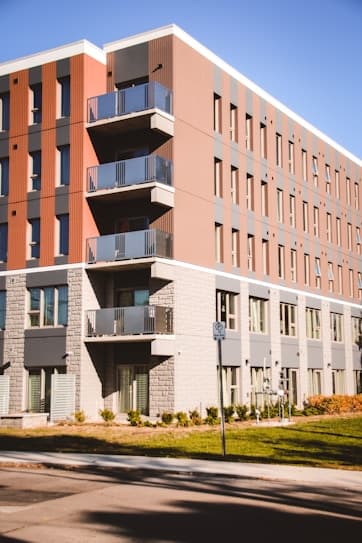
Accommodation
Off-Campus Accommodations Students wishing to live off-campus need to research availability on their own, and should arrive well before the start of term to do so.

Work While Studying
See guidelines on working while studying here.

Co-op/Internship Participation
Even if you do NOT meet our minimum English requirement (IELTS or TOEFL), you still can get conditionally accepted in the program of your choice with the condition of completing our English program prior to starting your chosen program.
Featured Programmes



Average Time To Receive Acceptance Letter
October - June
Location
Nowoursynowska 166, 02-787 Warszawa, Poland

Map not found.

Uni4Edu AI Assistant