University of Tasmania
Melbourne, Australia

University of Tasmania
Melbourne, Australia (Study Centre)
Founded
1890
Institution Type
Public Research University
Total Students
34,000+
Acceptance Rate
~75%
University of Tasmania — Overview & History
University of Tasmania — Overview & History
The University of Tasmania (UTAS) is a public research university founded on 1 January 1890, making it Australia's fourth oldest university. Primarily located across Tasmania with campuses in Hobart, Launceston, and Burnie, UTAS also operates a Melbourne Study Centre at 655 Collins Street, Docklands, offering international students the chance to study business and ICT programs in the heart of Melbourne's CBD.
UTAS is a sandstone university and a member of the Association of Commonwealth Universities and the Association of Southeast Asian Institutions of Higher Learning. The university offers over 100 undergraduate degrees and more than 150 postgraduate courses across diverse disciplines, including the unique Bachelor of Marine and Antarctic Science — the only program of its kind in Australia.
The university is deeply committed to sustainability and has been named the world's number one university for climate action by the Times Higher Education Impact Rankings for multiple consecutive years. With more than 34,000 students from over 120 countries and a network of over 100,000 alumni, UTAS provides a globally connected educational experience supported by strong research output and industry partnerships.
Key Milestones
- 1890: University of Tasmania officially founded by an Act of the Colony's Parliament, becoming Australia's fourth university.
- 1914: Granted Royal Charter by King George V, giving UTAS degrees equivalent status to established UK universities.
- 1991: Merged with the Tasmanian State Institute of Technology, creating the expanded modern university with the Launceston Newnham Campus.
- 2023: Opened the Melbourne Study Centre in Melbourne's CBD, extending the university's national footprint for international students.
Academic Structure at the University of Tasmania
Academic Structure at the University of Tasmania
The University of Tasmania is organized into five colleges and several specialist institutes, offering programs across a broad range of disciplines. The academic structure supports both coursework and research-intensive pathways at undergraduate and postgraduate levels, with strong links to industry and government partners throughout Australia.
College of Arts, Law and Education
This college encompasses humanities, social sciences, creative arts, legal studies, and education. It offers programs that develop critical thinking, communication, and professional skills across a wide range of career paths.
- Bachelor of Arts
- Bachelor of Laws
- Master of Teaching
College of Health and Medicine
Covering medicine, nursing, pharmacy, psychology, and human life sciences, this college trains the next generation of healthcare professionals. It includes the Menzies Institute for Medical Research and is connected to the Medical Sciences Precinct in Hobart.
- Bachelor of Nursing
- Doctor of Medicine
- Master of Public Health
College of Sciences and Engineering
This college delivers programs in agricultural science, architecture, chemistry, engineering, environmental studies, ICT, mathematics, physics, and spatial sciences. It houses specialist research in marine science, Antarctic studies, and agriculture.
- Bachelor of Marine and Antarctic Science
- Bachelor of Engineering (Honours)
- Master of Information Technology and Systems
Tasmanian School of Business and Economics
Offering AACSB-accredited programs in accounting, finance, economics, and management, this school prepares graduates for leadership in the global business environment. Programs at the Melbourne Study Centre are delivered through this school.
- Bachelor of Business
- Master of Business Administration (International)
- Master of Professional Accounting
Australian Maritime College
Based in Launceston, the Australian Maritime College is internationally recognized for maritime education, training, and research. It features cutting-edge shipping simulators, advanced engineering equipment, and national centres for maritime engineering and hydrodynamics.
- Bachelor of Applied Science (Maritime Technology)
- Master of Maritime and Logistics Management
- Graduate Diploma in Nautical Science
University College
University College provides pathway and associate degree programs designed to help students transition into full degree studies at UTAS. It offers supportive learning environments for students from diverse academic backgrounds.
- University Preparation Program
- Associate Degree in Applied Business
- Associate Degree in Applied Science
Admission Requirements for International Students
Admission Requirements for International Students
Undergraduate Admission
- Academic QualificationCompletion of secondary education equivalent to Australian Year 12 with competitive results
- English Proficiency (IELTS)Overall 6.0 (no band below 5.5); some programs require higher scores
- English Proficiency (TOEFL iBT)Overall 72; some programs require higher scores
- Application FeeNo application fee for international students
- Supporting DocumentsAcademic transcripts, English test results, passport copy, personal statement (if required)
Postgraduate Admission
- Academic QualificationRecognised bachelor's degree or equivalent with satisfactory grades
- English Proficiency (IELTS)Overall 6.0–6.5 depending on program (no band below 6.0 for most programs)
- Work ExperienceRequired for some programs such as the MBA; contact the university for details
- Research ProposalRequired for Master's by Research and PhD applicants
- Supporting DocumentsAcademic transcripts, CV/resume, references, English test results, passport copy
Apply by October for Semester 1 commencing in February. Rolling admissions may accept later applications if places remain.
Classes begin in late February for Semester 1. Orientation activities take place in the week prior.
Apply by April for Semester 2 commencing in July. Early application is encouraged to allow time for visa processing.
Classes begin in mid-July for Semester 2. International students should arrive in time for orientation week.
Tuition Fees & Scholarships at the University of Tasmania
Tuition Fees & Scholarships at the University of Tasmania
Tuition fees at the University of Tasmania vary by program and student status. International student fees are quoted in Australian dollars per year and are subject to annual indexation. UTAS is recognized as one of the more affordable Australian universities, particularly when combined with Tasmania's lower cost of living compared to major cities like Sydney and Melbourne.
| Cost Category | Domestic (AUD/year) | International (AUD/year) |
|---|---|---|
| Undergraduate Tuition | AUD 7,000 – 11,500 (CSP) | AUD 22,950 – 40,000 |
| Postgraduate Coursework | AUD 8,000 – 15,000 (CSP) | AUD 29,000 – 45,000 |
| Student Services & Amenities Fee (SSAF) | AUD 326 (approx.) | Included in tuition |
| Overseas Student Health Cover (OSHC) | N/A | AUD 600 – 700 |
| Total | Varies by CSP band — contact university | AUD 23,550 – 45,700 approx. |
Tasmanian International Scholarship (TIS)
A merit-based scholarship for international students commencing undergraduate or postgraduate coursework degrees, providing a tuition fee reduction for the duration of the program.
- Value: 25% tuition fee reduction
- Eligibility: Academic merit (B+ average or higher); commencing international students only
- Maintenance: Credit average (5.0/7.0 CGPA) required each study period
Dean's Merit Scholarship
A prestigious scholarship for high-achieving international students demonstrating outstanding academic results, offering a significant tuition fee reduction.
- Value: 50% tuition fee reduction
- Eligibility: Outstanding academic record; commencing international students
- Application: Automatically assessed upon course application — no separate application needed
Campus & Facilities
Campus & Facilities
The University of Tasmania operates campuses across Tasmania in Hobart, Launceston, and Burnie, as well as study centres in Sydney and Melbourne. The Melbourne Study Centre at 655 Collins Street, Docklands, provides international students with modern learning facilities in one of Australia's most vibrant cities, while the main Tasmanian campuses offer access to stunning natural environments and purpose-built research facilities.

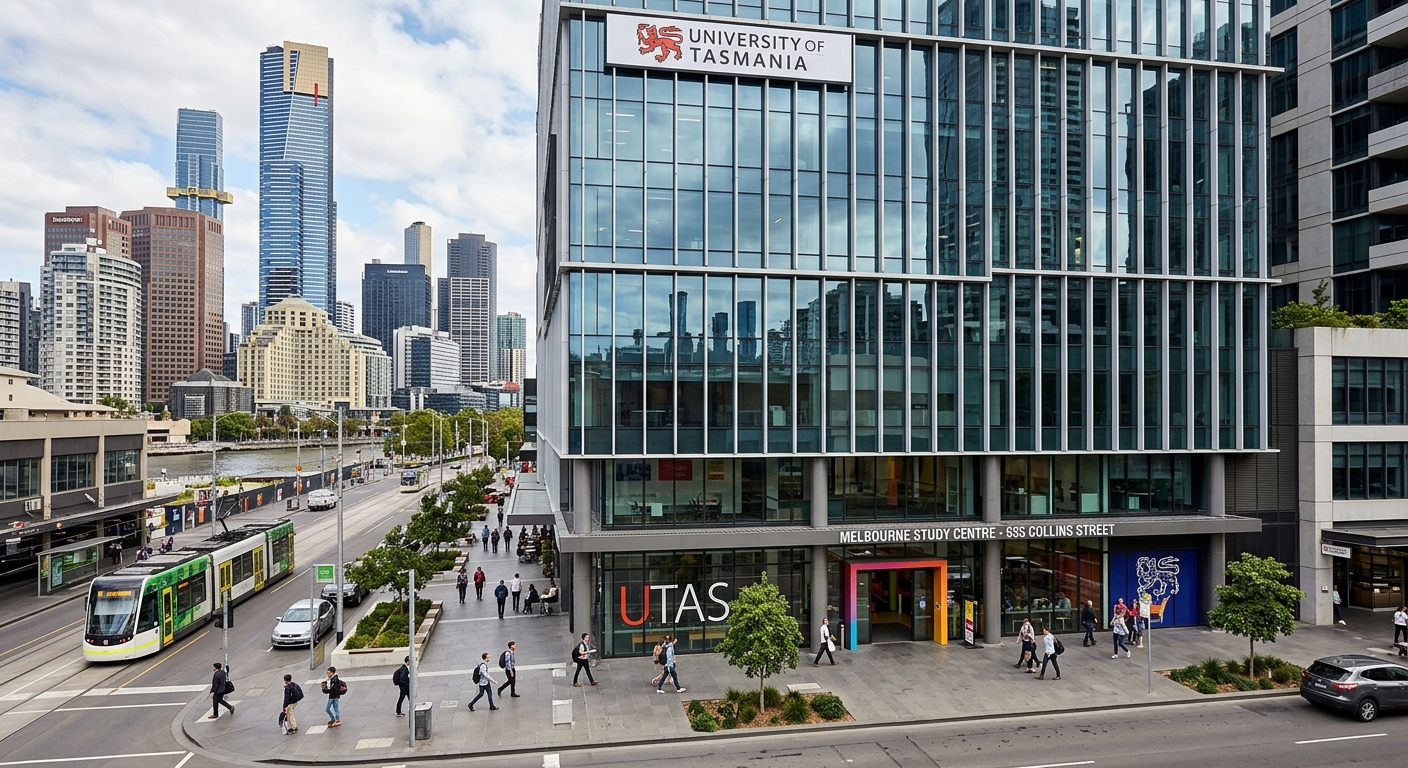
Located at 655 Collins Street Docklands, offering face-to-face workshops for business and ICT programs in Melbourne's CBD.
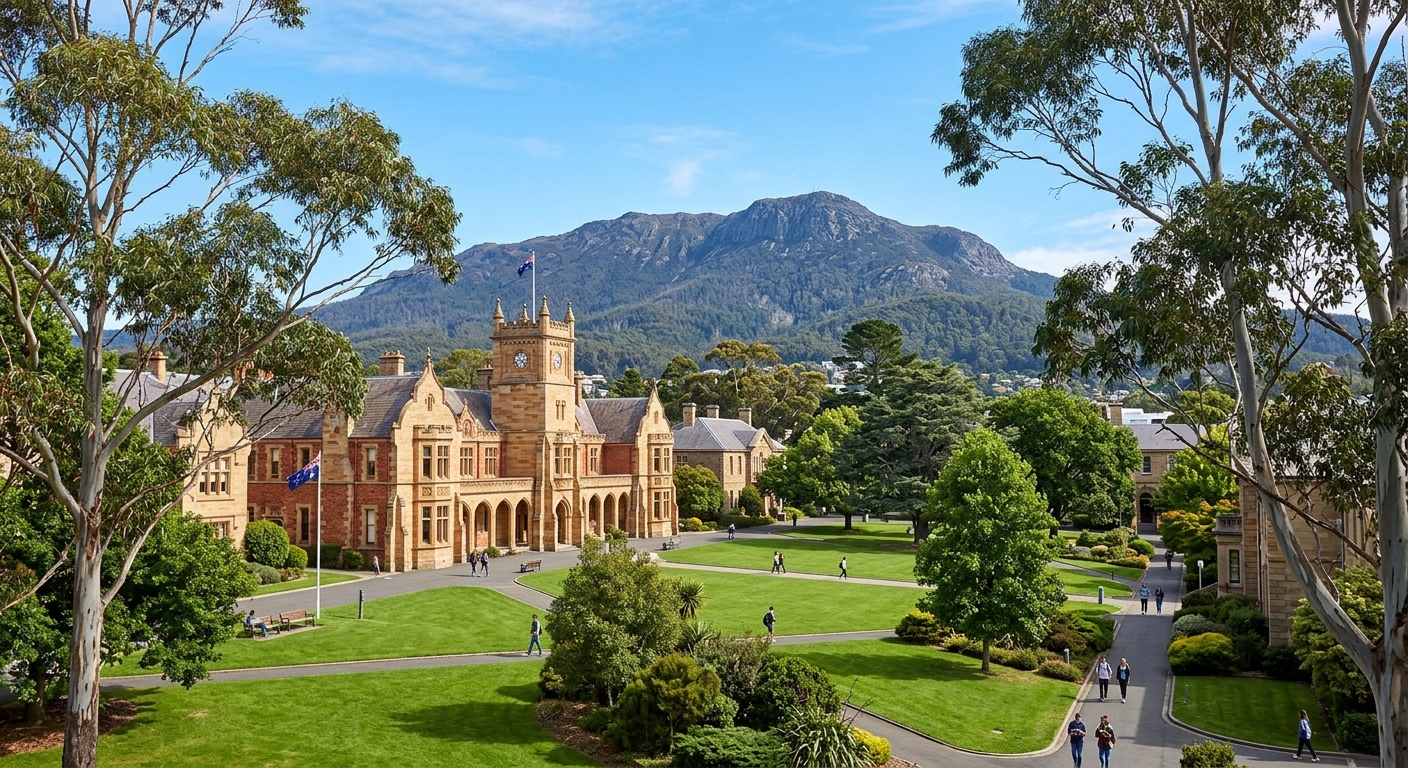
The university's main campus in the beachside suburb of Sandy Bay, just five minutes from Hobart city centre.
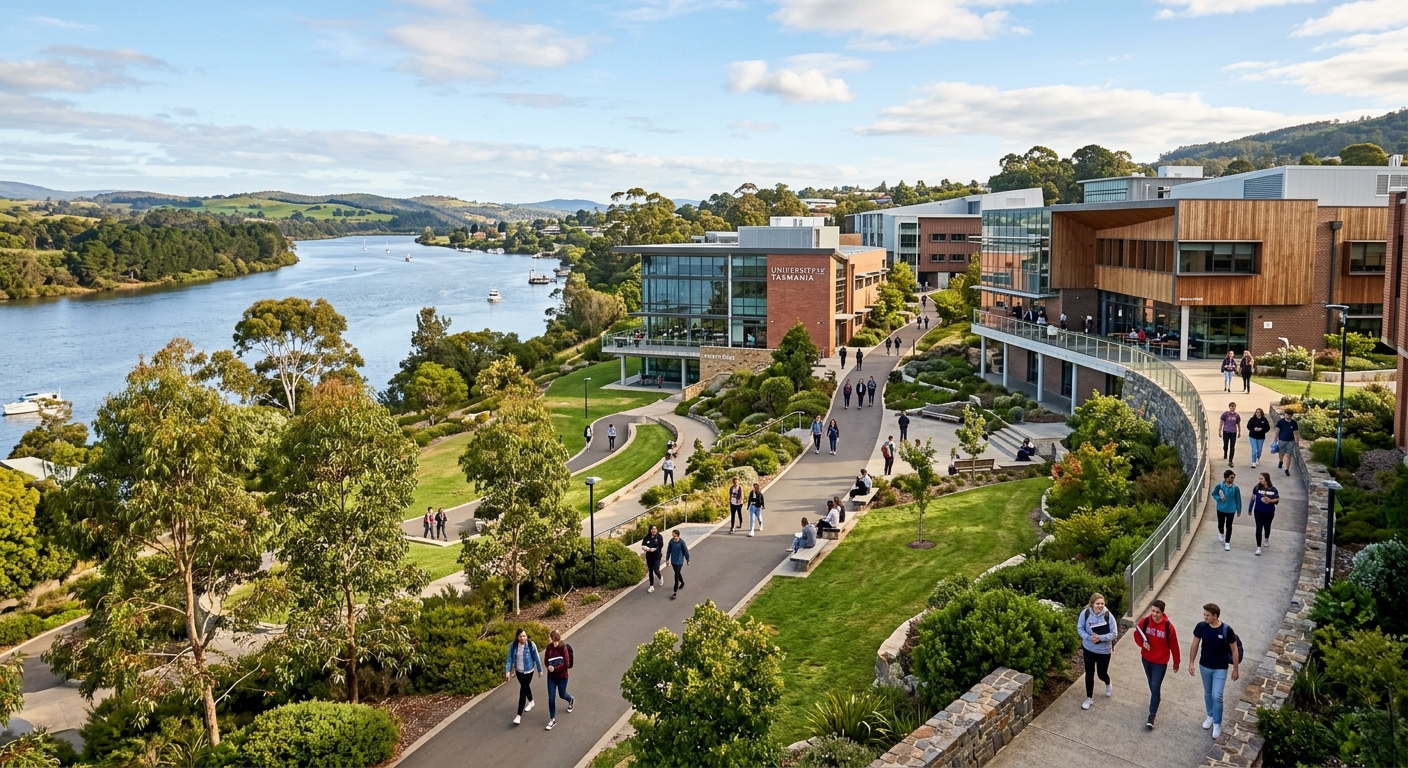
A spacious campus overlooking the Tamar River, home to the Australian Maritime College and approximately 5,000 students.
Housing & Student Services
Accommodation Options
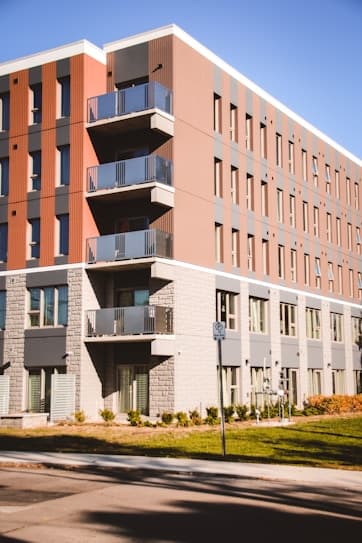
UTAS offers a range of on-campus accommodation including traditional residential colleges and self-contained apartments. Options are available across the Hobart and Launceston campuses, with off-campus housing support for Melbourne-based students.
- Christ College, Jane Franklin Hall, St John Fisher College (Hobart)
- Investigator Hall and Kerslake Hall (Launceston)
- Off-campus housing assistance for Melbourne Study Centre students
Key Facilities
Students benefit from modern libraries, research labs, sports centres, and creative arts spaces across all campuses. The Hedberg building in Hobart serves music, media, and performing arts students, while the HIT Lab offers human-computer interface technology.
- Morris Miller Library, Law Library, and Clinical Library
- UniGym, Sports and Aquatic Centre with indoor pools
- Hedberg performing arts facility and IMAS waterfront campus
Student Life at the University of Tasmania
Student Life at the University of Tasmania
Student life at UTAS is enriched by a diverse range of clubs, societies, and recreational activities overseen by the Tasmania University Union (TUU). Whether you study in Tasmania or at the Melbourne Study Centre, you will find a welcoming community that values collaboration, creativity, and outdoor adventure.
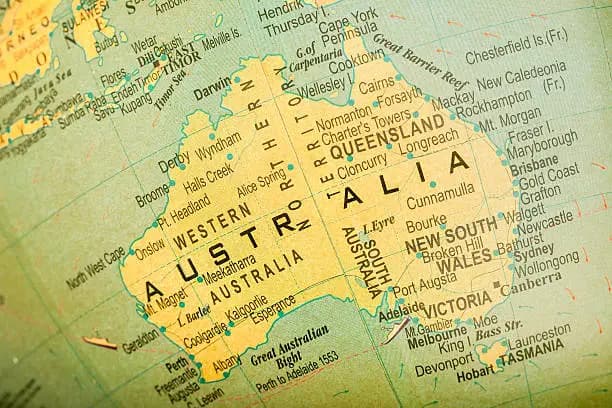
Location — Melbourne & Tasmania, Australia
Location — Melbourne & Tasmania, Australia

Melbourne — A Global Student City
Melbourne is consistently ranked among the world's most liveable cities and is Australia's cultural capital. The University of Tasmania's Melbourne Study Centre at Docklands places students in the heart of a thriving business, arts, and innovation hub, with easy access to industry connections, world-class dining, and diverse cultural experiences.
Cultural Capital
Melbourne is renowned for its arts scene, live music, street art, galleries, and festivals — offering students a rich cultural experience year-round.
Industry & Employment
As Australia's business hub, Melbourne provides excellent internship and employment opportunities across finance, technology, healthcare, and creative industries.
Transport & Connectivity
Melbourne's extensive tram, train, and bus network makes commuting easy. Tasmania is less than an hour's flight away for students wishing to visit the main campuses.
Multicultural Community
With residents from over 200 countries, Melbourne offers a welcoming and diverse environment where international students can feel at home and connect with global communities.
Career Outcomes & Alumni Network
Career Outcomes & Alumni Network
Where UTAS Graduates Work
Practical Information for International Students
Practical Information for International Students
For International Students
UTAS provides guidance on student visa applications (subclass 500), Confirmation of Enrolment (CoE), and Overseas Student Health Cover (OSHC) requirements. The International Student Advisors assist with all immigration-related queries.
A comprehensive orientation program helps new students settle in, covering academic expectations, campus tours, city guides, and social events. Workshops for academic skill development and English language support are available on all campuses.
UTAS offers career advice, resume workshops, internship placement assistance, and employer networking events. International students studying in Melbourne benefit from direct industry connections in the CBD.
Key Contacts
- +90 5435286292
- +44 7868736984
- corporate@uni4edu.com
- info@uni4edu.com
University of Tasmania — Worldwide Rankings
University of Tasmania — Worldwide Rankings
The University of Tasmania has steadily improved its position in major global university rankings, reflecting its growing research impact, commitment to sustainability, and teaching quality. UTAS is particularly recognized for its leadership in climate action and environmental research, ranking number one globally for climate action in the THE Impact Rankings.
| Subject | Ranking Body | Rank |
|---|---|---|
| Marine and Freshwater Biology | US News | Top 10 globally |
| Climate Action (SDG 13) | THE Impact Rankings | #1 globally |
| Nursing | QS Subject Rankings | #101–150 |
| Anatomy and Physiology | QS Subject Rankings | #101–170 |


Features
As an island with unique advantages and challenges, we’re not afraid to do things differently. It’s our mission to help Lutruwita/Tasmania understand its history, identity, environment, and future. Our research mission meets the needs of Lutruwita/Tasmania and contributes nationally and globally in areas of distinctive advantage.\n\nOur research brings together the brightest minds to address the issues of today and tomorrow. We’ve been ranked number 1 in climate action globally for 2022, 2023 and 2024 1 and we are a recognised leader in partner-driven collaborative research.\n\nTo make Lutruwita/Tasmania more prosperous, equitable and sustainable, we pursue meaningful partnerships with people, communities and organisations who have a shared purpose.
Accommodation
Accommodation service is available\n

Work While Studying
Students can work while studying

Co-op/Internship Participation
There is an internship service\n
Featured Programmes





Average Time To Receive Acceptance Letter
February - April
Location
Level1/399 Lonsdale St, Melbourne VIC 3000, Australia

Uni4Edu AI Assistant