University of Marburg (Philipps-Universität Marburg)
Marburg an der Lahn, Germany
Philipps-Universität Marburg (University of Marburg)
Marburg an der Lahn, Germany
Founded
1527
Institution Type
Public Research University
Total Students
21,000+
Departments
16
Discover Philipps-Universität Marburg: The World's Oldest Protestant University
Discover Philipps-Universität Marburg: The World's Oldest Protestant University
Philipps-Universität Marburg is a prestigious public research university founded in 1527 by Landgrave Philip I of Hesse, making it the oldest Protestant university in the world still in operation. Now a public university of the state of Hesse with no religious affiliation, it has been a center of research and teaching for nearly five centuries.
The university is renowned for its strengths in life sciences, medicine, humanities, and natural sciences. Its scholarly focus areas include infection and tumor research, synthetic microbiology, materials sciences, cognitive and applied neurosciences, language dynamics research, biodiversity and climate research, and conflict studies. Eleven Nobel Prize laureates have been associated with the university through study or teaching.
With approximately 21,000 students — around 12% of whom are international — Marburg is deeply integrated into its charming medieval town. A well-known local saying captures this relationship perfectly: Other towns have a university, Marburg is a university. The university participates in the Erasmus+ programme and maintains over 30 international partnerships worldwide.
Key Milestones
- 1527: Founded by Landgrave Philip I of Hesse as the world's first Protestant university, beginning with 11 professors and 88 students.
- 1901: Emil von Behring, Professor of Hygiene at Marburg, received the first Nobel Prize in Physiology or Medicine for his work on diphtheria serum therapy.
- 1908: The university admitted its first female students for matriculation, marking a significant step toward inclusivity in higher education.
- 1970: Major campus expansion to the Lahnberge hilltop began, with construction of modern facilities for natural sciences and the University Hospital.
Academic Structure and Departments
Academic Structure and Departments
Philipps-Universität Marburg covers almost all scientific disciplines except engineering sciences, organized across 16 departments. As part of the Bologna Process, the university introduced a wide range of Bachelor's and Master's degree programmes, offering over 130 programmes across the humanities, social sciences, natural sciences, and medicine.
Faculty of Medicine
One of Germany's most well-established medical faculties, the Faculty of Medicine is a leading center for clinical research, with the University Hospital Marburg providing comprehensive patient care and training.
- Human Medicine (State Examination)
- Dentistry (State Examination)
- Biomedical Sciences (M.Sc.)
Faculty of Law
The Faculty of Law offers rigorous programs in legal studies, combining traditional German legal education with comparative and international law perspectives.
- Law (State Examination)
- European and International Business Law (LL.M.)
- Comparative Law (LL.M.)
Faculty of Social Sciences and Philosophy
Known for its strong tradition in philosophy — notably as the home of the Marburg School of Neo-Kantianism — this faculty integrates political science, sociology, and philosophy into a vibrant interdisciplinary environment.
- Political Science (B.A.)
- Philosophy (M.A.)
- Sociology (B.A.)
Faculty of Chemistry and Pharmacy
This faculty is a research powerhouse in materials science, synthetic chemistry, and pharmaceutical sciences, contributing to Marburg's strong reputation in the natural sciences.
- Chemistry (B.Sc./M.Sc.)
- Pharmacy (State Examination)
- Medicinal Chemistry (M.Sc.)
Faculty of Physics
The Faculty of Physics is recognized for its work in materials science, semiconductor physics, and surface science, hosting collaborative research centers funded by the German Research Foundation (DFG).
- Physics (B.Sc./M.Sc.)
- Advanced Materials Science (M.Sc.)
- Nanoscience (M.Sc.)
Faculty of Psychology
Marburg's psychology department achieved Excellence Group status in the CHE Excellence Ranking and is recognized for its research in clinical psychology, cognitive science, and affective disorders.
- Psychology (B.Sc.)
- Clinical Psychology and Psychotherapy (M.Sc.)
- Cognitive and Integrative Systems Neuroscience (M.Sc.)
Admission Requirements for International Students
Admission Requirements for International Students
Undergraduate Admission
- School Leaving CertificateEquivalent to German Abitur; verified via anabin or uni-assist
- StudienkollegRequired if qualification is not directly recognized; must pass Feststellungsprüfung
- German LanguageDSH-2 or TestDaF 4x4 for German-taught programmes
- English LanguageIELTS 6.5 or TOEFL 80+ for English-taught programmes
- Application PortalApply via uni-assist or directly through Marburg's online portal
Graduate Admission
- Bachelor's DegreeRelevant bachelor's degree from a recognized institution
- Minimum GPAVaries by programme; typically equivalent to German grade 2.5 or better
- German LanguageDSH-2 or TestDaF 4x4 for German-taught Master's programmes
- English LanguageIELTS 6.5 or TOEFL 80+ for English-taught Master's programmes
- Supporting DocumentsCV, motivation letter, transcripts, and programme-specific requirements
Application deadline for most programmes starting in October. Some restricted programmes may have earlier deadlines.
Application deadline for programmes starting in April. Not all programmes admit in the summer semester.
Some programmes set an earlier deadline for non-EU applicants applying through uni-assist.
Doctoral positions are typically arranged individually with supervisors. Contact the relevant department directly.
Tuition Fees and Cost of Living
Tuition Fees and Cost of Living
As a public university in the state of Hesse, Philipps-Universität Marburg does not charge tuition fees for undergraduate or graduate programmes — including for international students. Students pay only a semester contribution that includes a public transport pass valid across Hesse and beyond.
| Cost Category | Per Semester (EUR) | Per Year (EUR) |
|---|---|---|
| Tuition Fees | EUR 0 | EUR 0 |
| Semester Contribution (incl. transit pass) | ~EUR 449 | ~EUR 898 |
| Health Insurance (approx.) | ~EUR 630 | ~EUR 1,260 |
| Living Costs (rent, food, etc.) | ~EUR 4,485 | ~EUR 8,970 |
| Total | ~EUR 5,564 per semester | ~EUR 11,128 per year |
Deutschlandstipendium
A national merit-based scholarship co-funded by the federal government and private sponsors, supporting talented students regardless of nationality.
- Amount: EUR 300 per month
- Duration: At least 2 semesters, renewable
- Eligibility: Outstanding academic performance and social engagement
DAAD Scholarships
The German Academic Exchange Service (DAAD) offers a range of scholarships for international students pursuing degrees or research in Germany.
- Amount: EUR 861–1,200 per month (varies by level)
- Coverage: Living expenses, health insurance, travel allowance
- Application: Apply through the DAAD portal; deadlines vary by programme
Campus and Facilities
Campus and Facilities
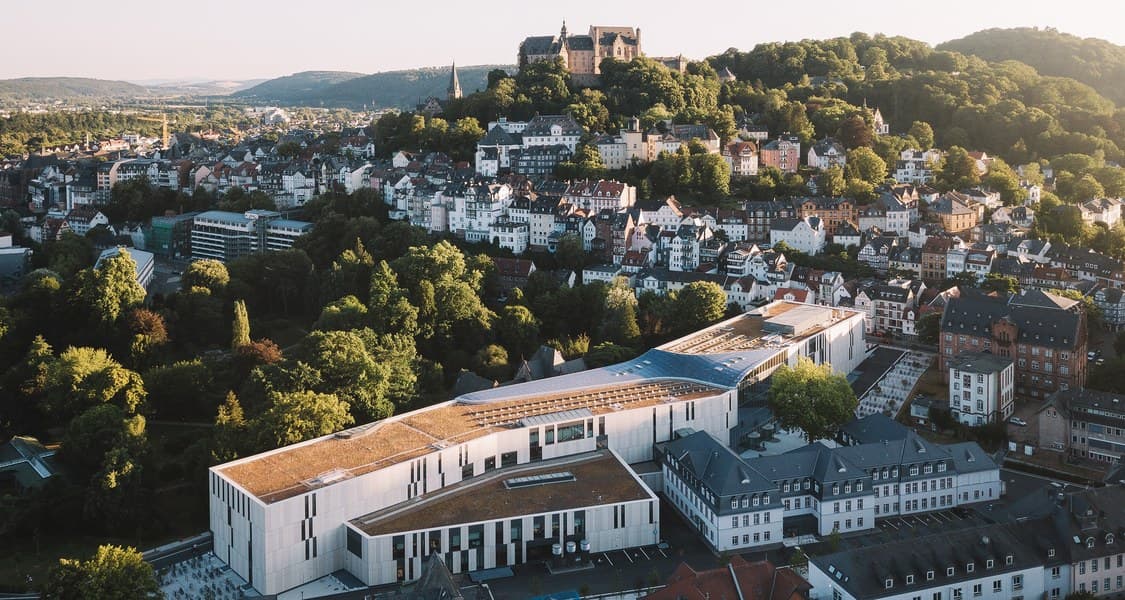
Unlike a traditional campus university, Philipps-Universität Marburg's buildings are spread throughout the town of Marburg, blending historic architecture with modern research facilities. The university operates across two main areas: the historic town center for humanities and social sciences, and the Lahnberge hilltop campus for natural sciences and medicine.
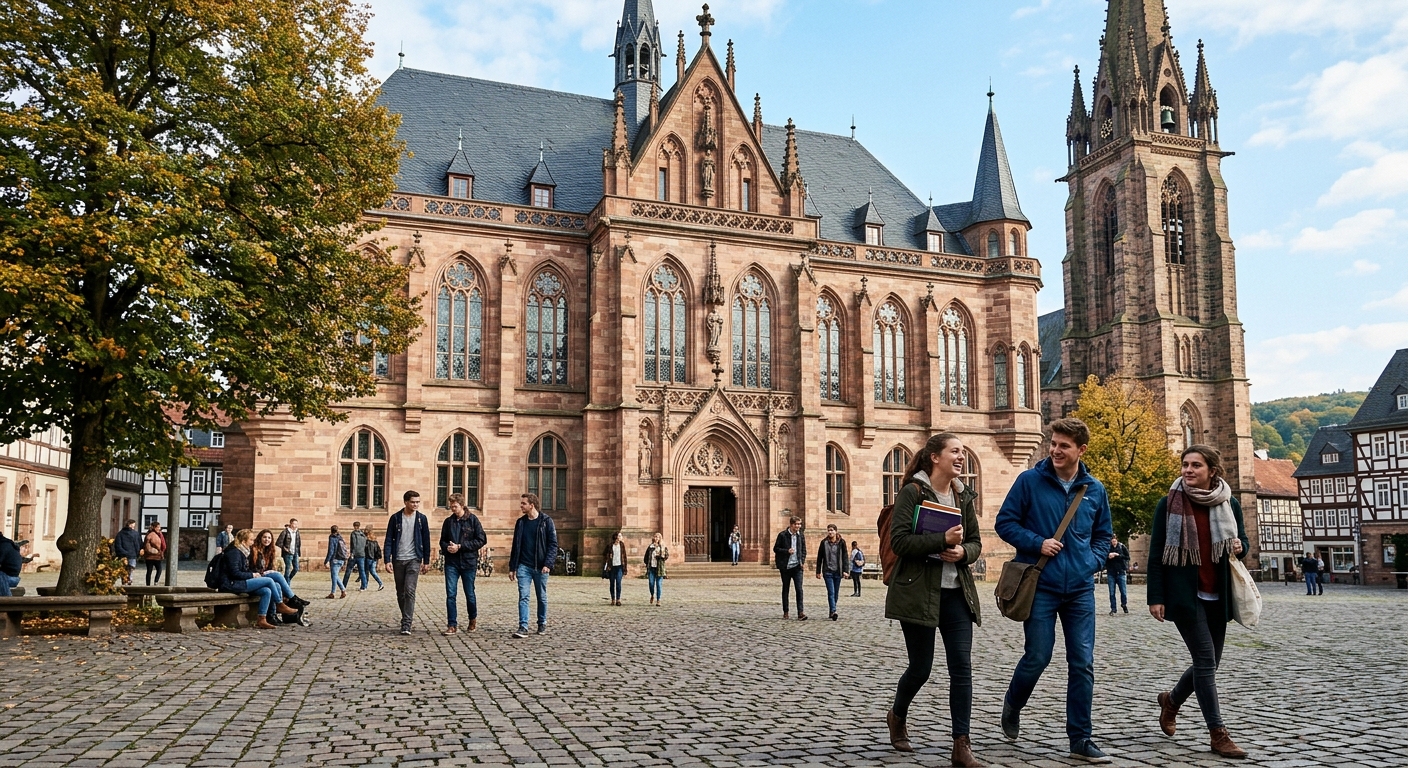
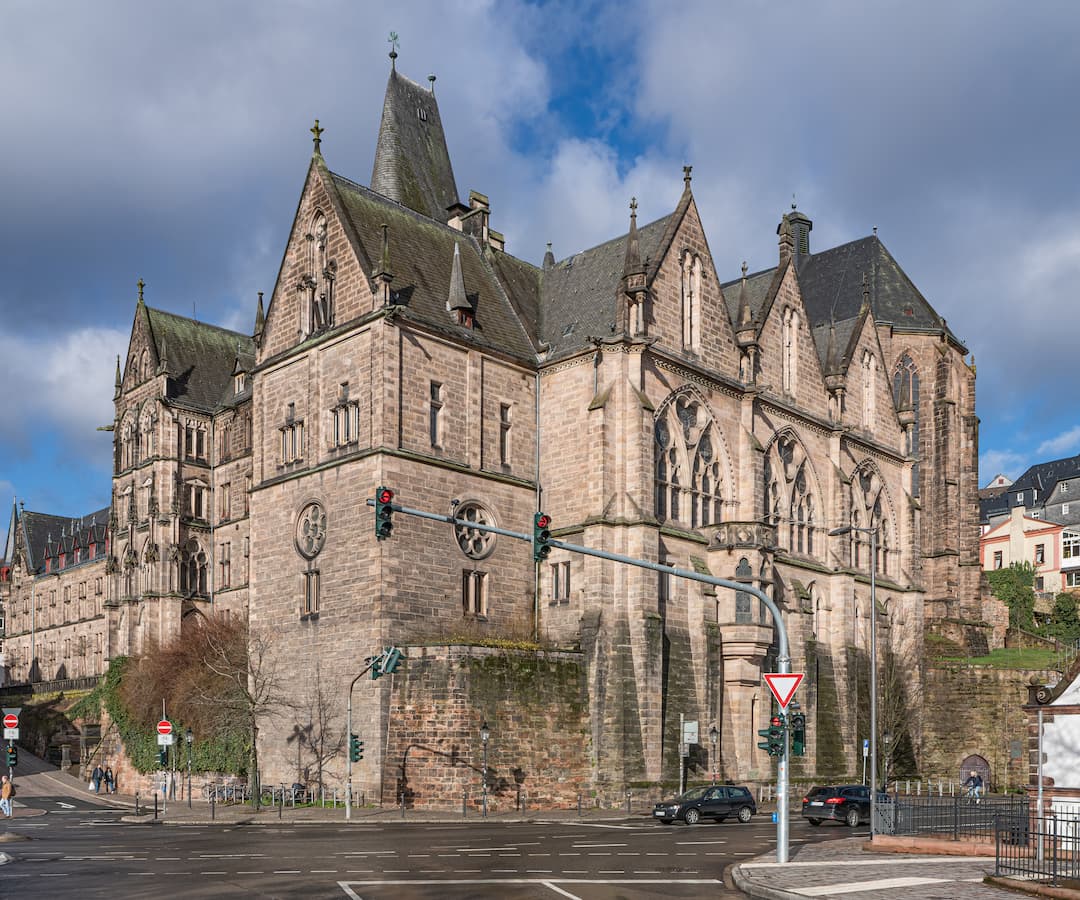
Built between 1874 and 1891, this iconic building houses the university church, the religious studies department, and a large lecture hall.
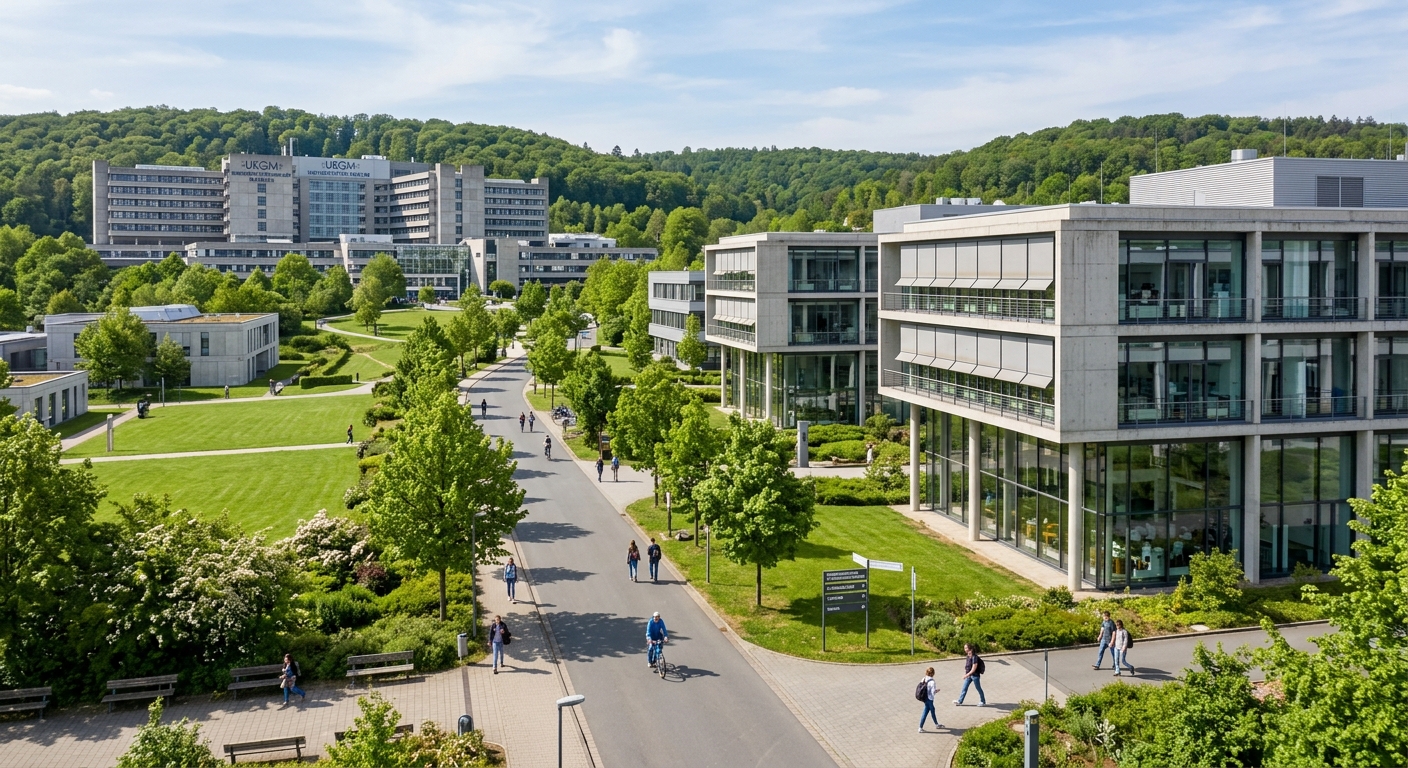
Home to the natural sciences, mathematics, computer science, and the University Hospital, this modern hilltop campus was developed from the 1970s onward.
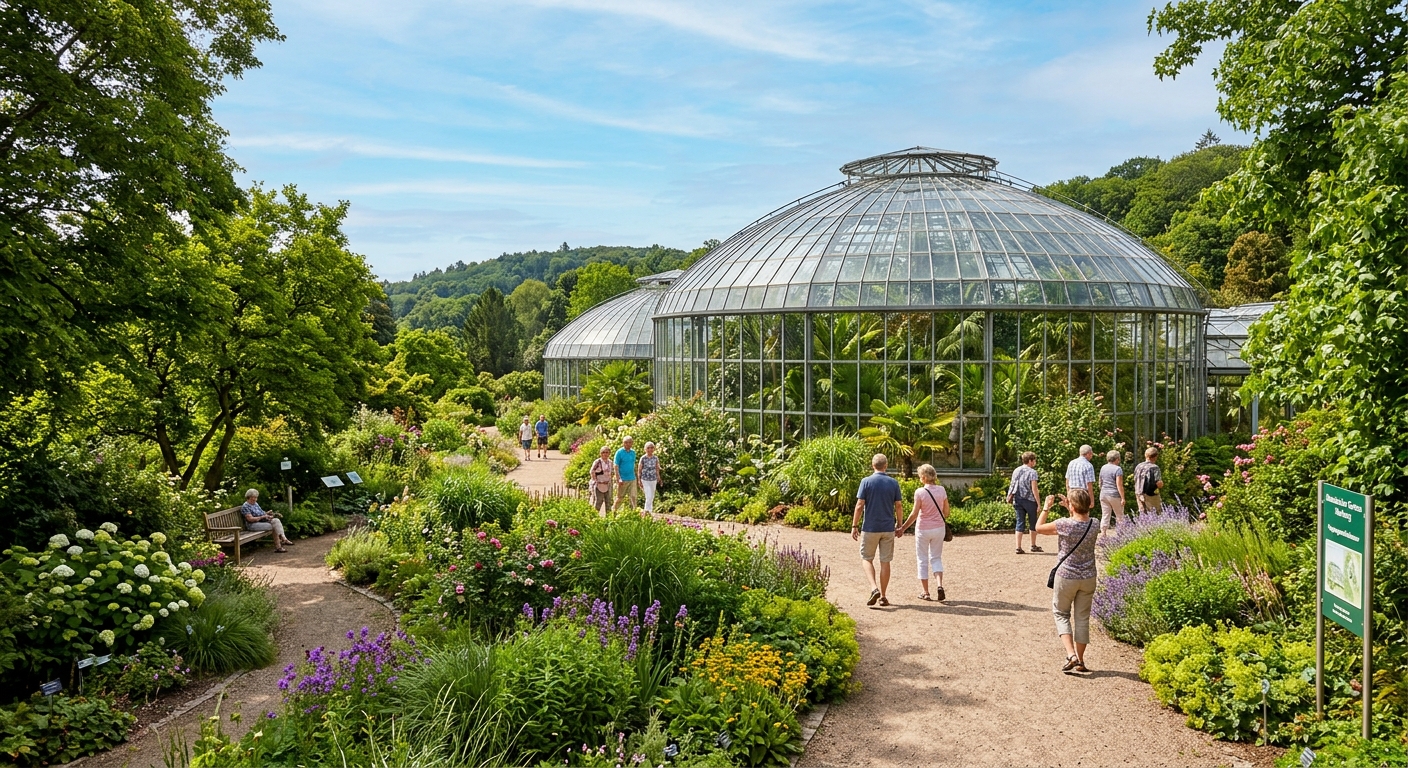
Spanning 20 hectares on the Lahnberge, the Botanical Garden features extensive plant collections, research areas, and tropical greenhouses open year-round.
Housing and Dining
Student Housing
The Studierendenwerk Marburg maintains student residence halls with approximately 2,100 units, including single rooms and family apartments.
- Residence hall rent: EUR 230–400 per month
- Historic Collegium Philippinum and Christian-Wolff-Haus available
- Konrad-Biesalski-Haus offers accessible living for students with disabilities
Dining and Services
The university operates multiple cafeterias (Mensen) across its locations, offering subsidized meals for students with a wide variety of options.
- Two large cafeterias including one by the Lahn River
- Subsidized meals starting from around EUR 2–4
- Multiple smaller cafés and snack bars across campus locations
Student Life at Philipps-Universität Marburg
Student Life at Philipps-Universität Marburg
Life at Marburg is vibrant and deeply shaped by the close integration of university and town. With a student population making up roughly a quarter of the city's residents, Marburg offers a uniquely immersive academic community with rich cultural, social, and recreational opportunities.
Location: Marburg an der Lahn, Germany
Location: Marburg an der Lahn, Germany
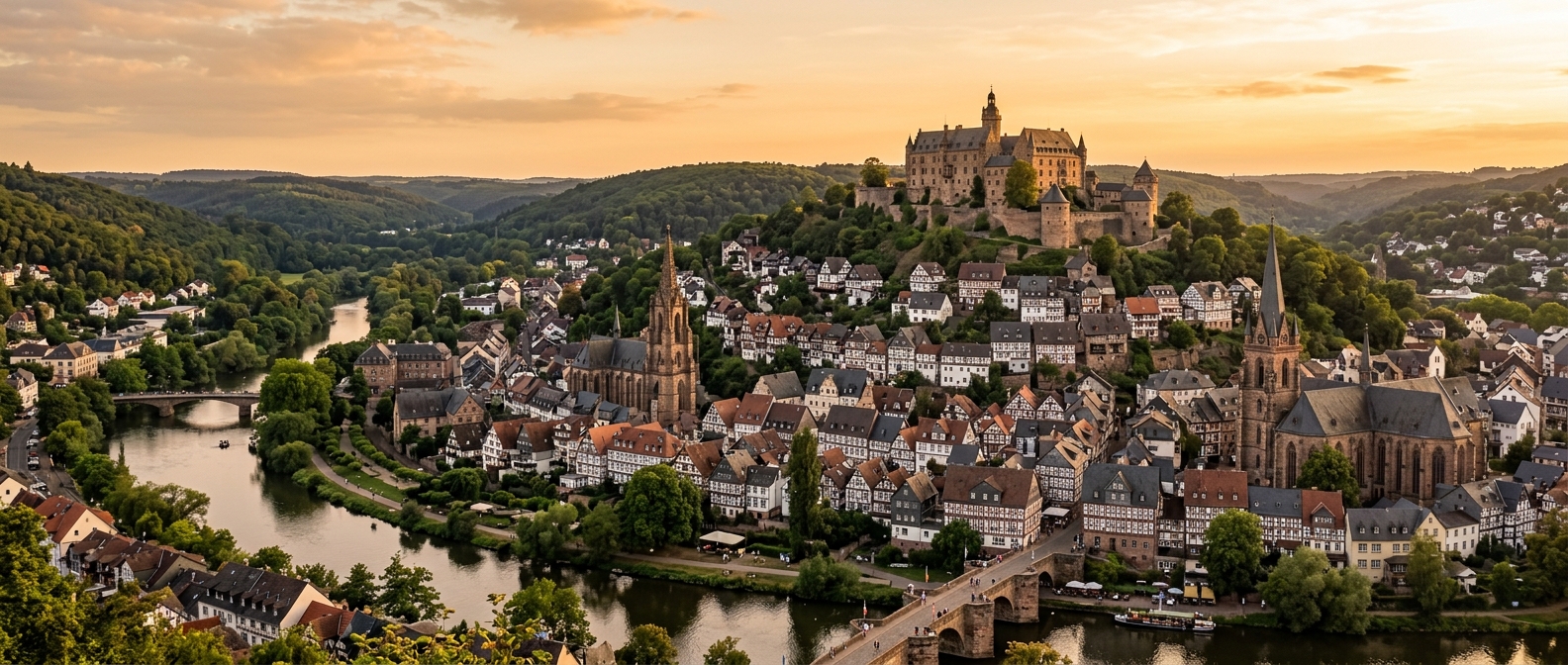
Marburg an der Lahn — A True University Town
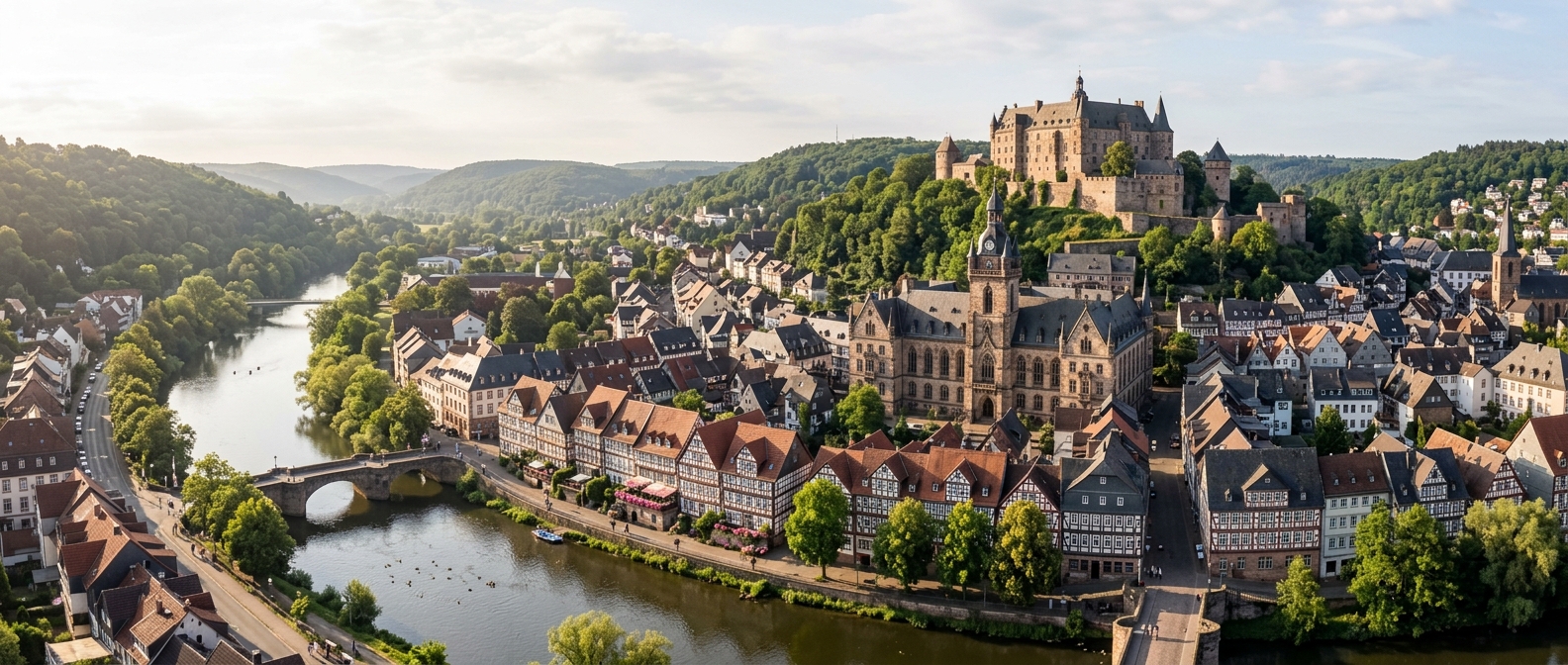
Marburg is a picturesque town of approximately 76,000 inhabitants in the state of Hesse, central Germany. Situated on the Lahn River and surrounded by forests, it is one of the few early medieval German cities with an almost unchanged historic character. The town is located approximately 100 kilometers north of Frankfurt am Main, providing convenient access to a major international airport and transport hub.
Marburg Castle (Landgrafenschloss)
Germany's largest secular Gothic building still in existence, the castle overlooks the town and houses the University Museum of Cultural History.
Historic Old Town (Oberstadt)
A beautifully preserved medieval quarter with narrow lanes, half-timbered houses, and vibrant cafés, shops, and cultural venues — the heart of student life.
Proximity to Frankfurt
Just one hour by train to Frankfurt am Main, providing access to an international airport, cultural attractions, and Germany's financial center.
Nature and Outdoor Activities
Surrounded by the rolling hills and forests of the Lahn Valley, Marburg offers excellent hiking, cycling, and water sports opportunities right at your doorstep.
Career Outcomes and Alumni Network
Career Outcomes and Alumni Network
Notable Employers and Partners
Practical Information for International Students
Practical Information for International Students
For International Students
The university offers comprehensive orientation programmes, mentoring, workshops, intercultural training, and social get-togethers to help international students settle in and succeed academically.
Each semester, Marburg University provides workshops on job applications, career planning, and entering the German workforce, including one-on-one counselling sessions in cooperation with the Employment Agency.
The semester contribution includes a universal transit pass allowing extensive access to public transport throughout Hesse and neighbouring areas, including selected IC and ICE trains.
Key Contacts
- +90 5435286292
- +44 7868736984
- [email protected]
- [email protected]
Worldwide University Rankings
Worldwide University Rankings
Philipps-Universität Marburg is consistently ranked among the top universities in Germany and globally, with particular strengths in medicine, life sciences, psychology, and the humanities. Its research output and long academic tradition contribute to its strong international reputation.
| Subject | Ranking Body | Rank |
|---|---|---|
| Medicine | EduRank | #248 (World), #23 (Germany) |
| Psychology | QS Subject Rankings | #101 (World) |
| Chemistry | EduRank | #251 (World), #22 (Germany) |
| Biology | EduRank | #267 (World), #21 (Germany) |


Features
The University of Marburg has been holding its ground in the continuity of change for nearly 500 years. Following our vision, we strive to empower people and society to be able to act confidently in a rapidly \nchanging world and to work for the well-being of people and the environment. To this end, we adhere to the following guiding principles: \n-With curiosity and responsibility, we create well-founded knowledge;\n-Diversity and respect inspire our actions;\n-We’ve mastered change – for nearly 500 years.
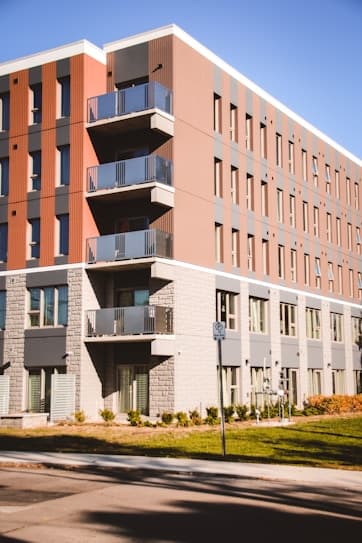
Accommodation
Accommodation service is available.\n

Work While Studying
Students can work while studying.\n

Co-op/Internship Participation
There is an internship service.\n
Featured Programmes


Location
Biegenstraße 10 35037 Marburg

Map not found.

Uni4Edu AI Assistant