University of Halle-Wittenberg (Martin Luther University)
Halle (Saale), Germany
Martin Luther University Halle-Wittenberg (MLU)
Halle (Saale), Germany
Founded
1502 / 1694
Institution Type
Public Research University
Total Students
~20,000
Faculties
9
Discover Martin Luther University Halle-Wittenberg
Discover Martin Luther University Halle-Wittenberg
Martin Luther University Halle-Wittenberg (MLU) is a public research university and the largest and oldest institution of higher education in the German state of Saxony-Anhalt. The university was created in 1817 through the merger of the University of Wittenberg (founded in 1502) and the University of Halle (founded in 1694), combining over five centuries of academic tradition.
MLU played a pivotal role in European intellectual history. The University of Wittenberg became the intellectual centre of the Protestant Reformation under Martin Luther and Philipp Melanchthon, while the University of Halle has been called the first modern university for its embrace of rationalism, academic freedom, and the use of German as the language of instruction.
Today, MLU offers a wide range of academic subjects across the humanities, social sciences, natural sciences, and medicine, with around 20,000 students and 340 professors. The university collaborates with renowned research organizations including the Max Planck Society, the Fraunhofer Society, and the Leibniz Association, and maintains partnerships with over 200 institutions of higher education worldwide.
Key Milestones
- 1502: University of Wittenberg founded by Frederick the Wise, Elector of Saxony, as a centre of Renaissance humanism.
- 1694: University of Halle founded by Frederick III, Elector of Brandenburg, becoming a pioneer of the German Enlightenment.
- 1817: The two universities merged following the Napoleonic Wars, forming the United Frederick University in Halle.
- 1933: The university received its current name, Martin Luther University Halle-Wittenberg, on November 10, 1933.
Academic Structure and Faculties
Academic Structure and Faculties
MLU follows the continental European academic tradition and is organized into nine faculties, offering approximately 260 bachelor's and master's degree programmes. Research strengths span materials science, protein biochemistry, agricultural sciences, and Enlightenment studies, with a strong emphasis on interdisciplinary collaboration.
Faculty of Theology
One of the oldest faculties with deep roots in the Reformation, offering programmes in Protestant theology, religious studies, and related fields at the historic Francke Foundations campus.
- Protestant Theology
- Religious Studies
- Church History
Faculty of Law, Economics and Business
Combines legal studies with economics and business administration, providing interdisciplinary training. The faculty is recognized in national CHE rankings for its programmes in economics and management.
- Law (Staatsexamen)
- Business Economics (BSc)
- Economics (MSc Data Science & Policy)
Faculty of Medicine
A comprehensive medical faculty operating the University Hospital with approximately 900 beds and over 100 clinics and institutes, providing education in medicine, dentistry, nursing, and health sciences.
- Medicine (Staatsexamen)
- Dentistry
- Health and Nursing Sciences
Faculty of Philosophy I — Social Sciences and Historical Studies
Covers a broad range of humanities and social science disciplines, including history, political science, sociology, and education. Many institutes are located on the Steintor Campus.
- Political Science
- History
- Sociology
Faculty of Natural Sciences I — Biosciences
Focused on the life sciences, including biology, biochemistry, and pharmacy, with strong research in protein biochemistry and molecular biosciences. Located on the Weinberg Campus science park.
- Biology (BSc/MSc)
- Pharmaceutical Sciences
- MSc Molecular and Cellular Biosciences
Faculty of Natural Sciences III — Agricultural and Food Sciences
MLU bears sole responsibility in Saxony-Anhalt for agricultural sciences. The faculty covers agriculture, food science, and environmental studies, contributing to leading research in sustainability.
- Agricultural Sciences (BSc/MSc)
- Food Science
- MSc Biodiversity Sciences
Admission Requirements
Admission Requirements
Undergraduate Admission
- QualificationAbitur or recognized equivalent university entrance qualification
- Application PortalInternational applicants apply through uni-assist e.V.
- German ProficiencyDSH-2 or equivalent (for German-taught programmes)
- English ProficiencyIELTS or TOEFL (for English-taught programmes)
- Application FeeEUR 75 (non-refundable, via uni-assist)
Graduate Admission
- QualificationCompleted bachelor's degree in a relevant field
- ApplicationApply directly to MLU or via uni-assist depending on programme
- German ProficiencyDSH-2 or equivalent (for German-taught programmes)
- English ProficiencyIELTS 6.0+ or TOEFL 80+ (for English-taught programmes)
- Additional DocumentsCV, motivation letter, and letters of recommendation (programme-specific)
Application deadline for international students applying for the winter semester (October start) via uni-assist.
Application deadline for international students applying for the summer semester (April start), where available.
Specific master's programmes may have different application deadlines. Always check the official programme page.
Doctoral positions are typically arranged individually with supervising professors and may be applied for throughout the year.
Tuition Fees and Cost of Study
Tuition Fees and Cost of Study
Martin Luther University does not charge tuition fees for most programmes, in line with the German public university system. Students are only required to pay a modest semester contribution that covers student services, a public transport ticket, and administrative costs.
| Cost Category | Domestic Students (per semester) | International Students (per semester) |
|---|---|---|
| Tuition Fees | EUR 0 | EUR 0 |
| Semester Contribution | ~EUR 250 | ~EUR 250 |
| Semester Transport Ticket | Included in contribution | Included in contribution |
| Health Insurance (est.) | ~EUR 120/month | ~EUR 120/month |
| Total | ~EUR 250/semester + living costs | ~EUR 250/semester + living costs |
DAAD Scholarships
The German Academic Exchange Service (DAAD) offers a range of scholarships for international students at all academic levels, providing financial support for tuition, living expenses, and travel.
- Eligibility: International students from all countries
- Coverage: Monthly stipend, travel allowance, health insurance
- Application: Apply via DAAD portal; deadlines vary by programme
Erasmus+ Programme
European students may participate in the Erasmus+ exchange programme, which provides grants for studying abroad at MLU or for MLU students studying at partner institutions across Europe.
- Eligibility: EU/EEA students at Erasmus+ partner universities
- Coverage: Monthly mobility grant of EUR 300-450
- Duration: 3 to 12 months per study cycle
Campus and Facilities
Campus and Facilities
MLU's campus is spread across the historic city of Halle, with many academic departments housed in beautifully restored historic buildings alongside modern research facilities. The university has four main locations: the Weinberg Campus, Universitätsplatz, the Steintor Campus, and the Francke Foundations.
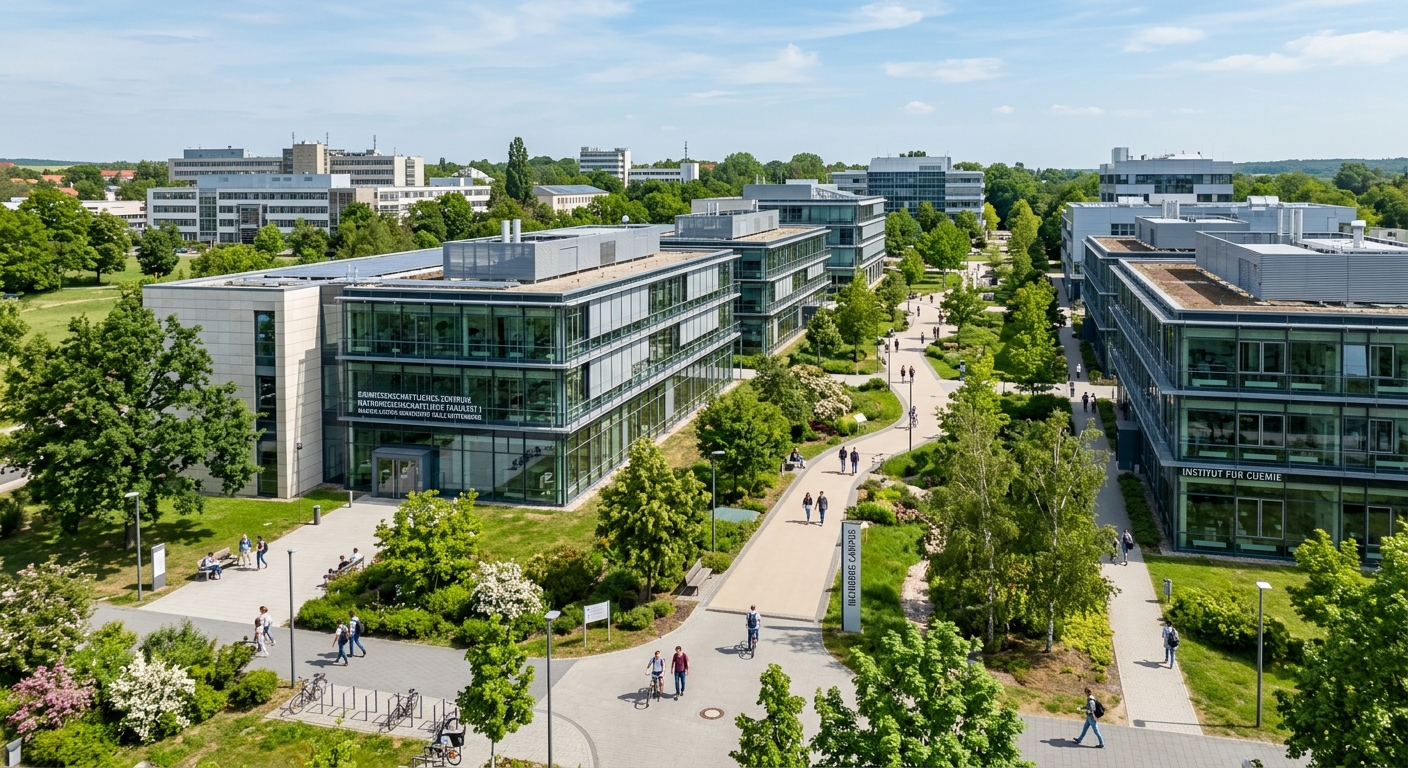
The second largest technology park in Eastern Germany, housing all natural science institutes and cutting-edge research facilities.
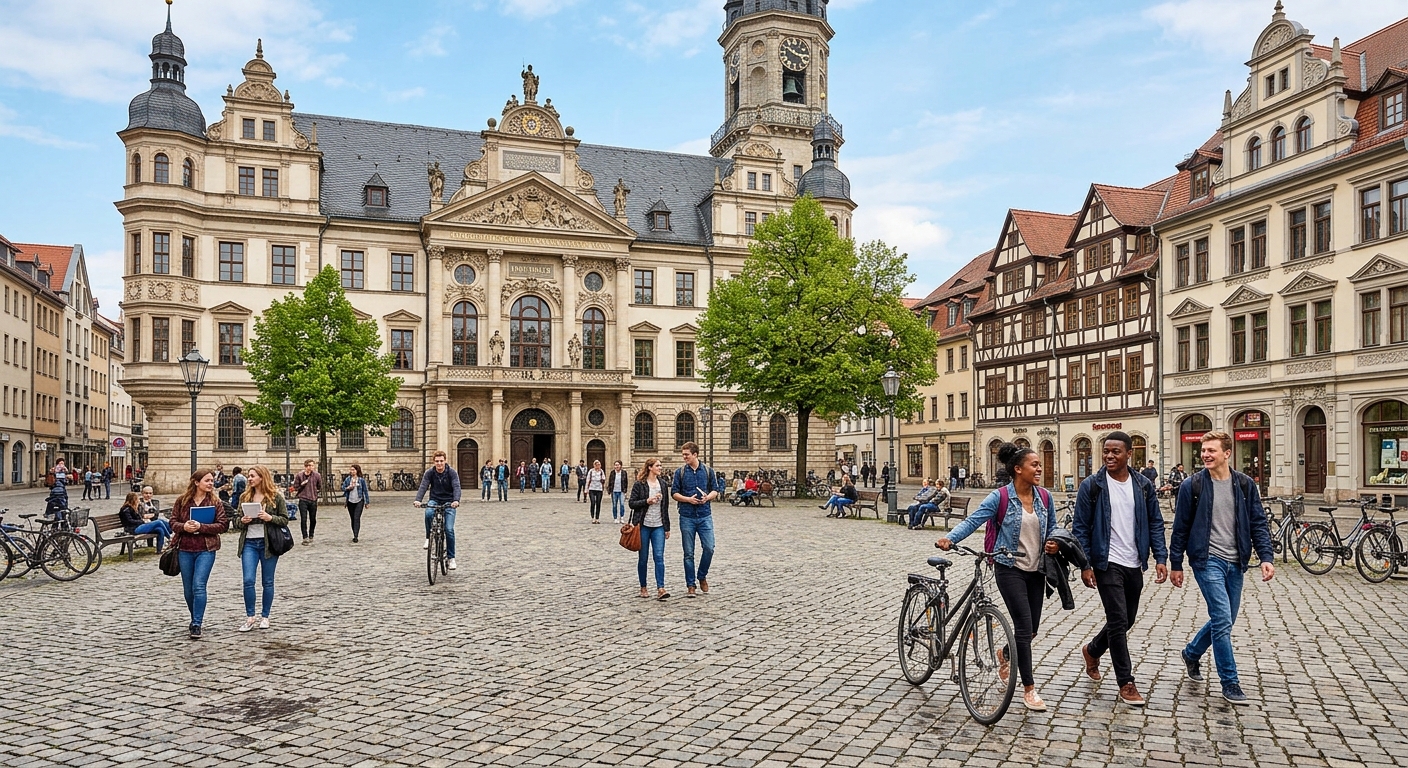
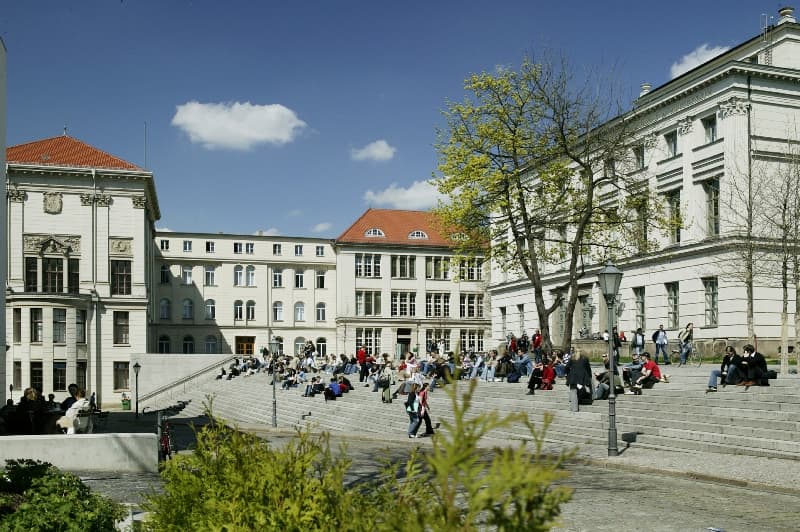
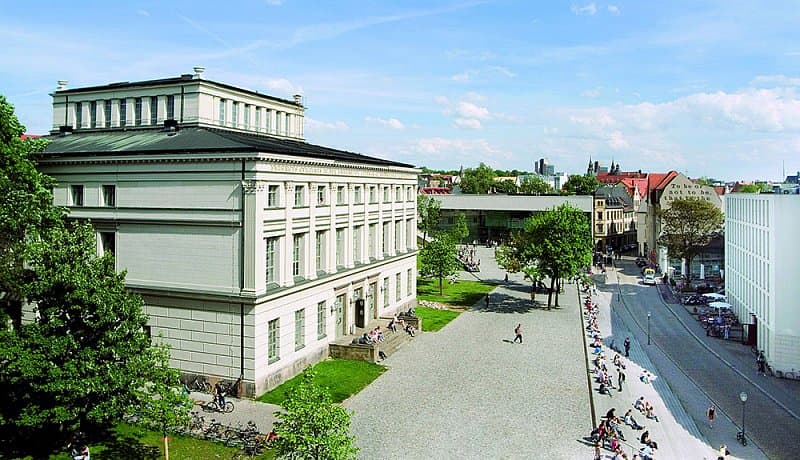
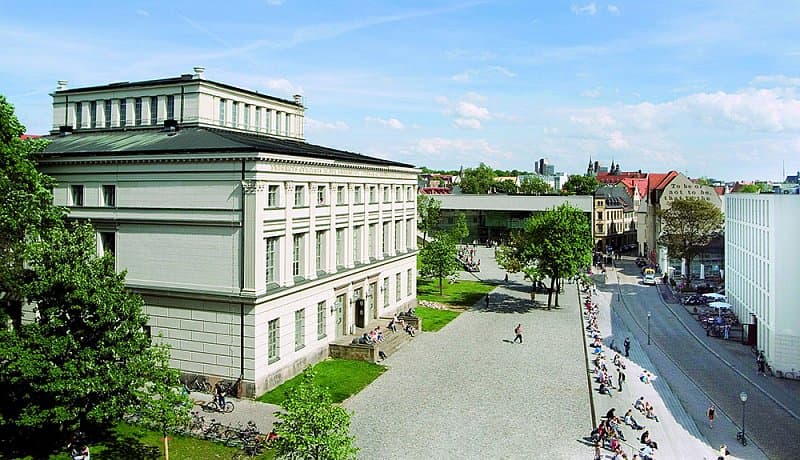
One of the most beautiful university squares in Europe, the central hub for university life and tradition in Halle.
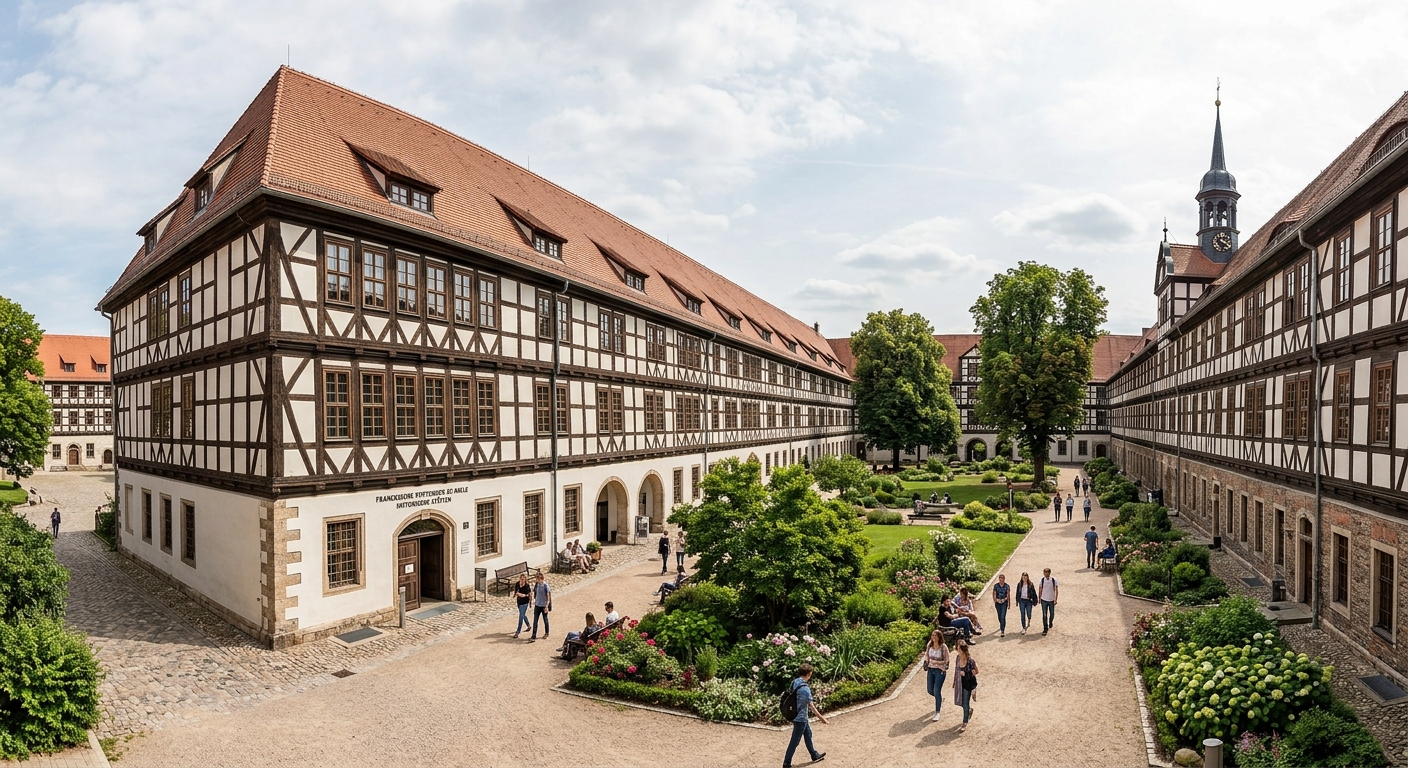
A historic campus where educationalists and theologians teach, study, and conduct research in a unique heritage setting.
Housing and Student Services
Student Housing
The Studierendenwerk Halle offers affordable student dormitories with fully furnished rooms and apartments at rents up to approximately EUR 245 per month, including amenities.
- Multiple dormitory locations across Halle
- Housing Exchange Platform for private rentals
- Apply early — on-campus housing is limited
Libraries and Research Facilities
The Saxony-Anhalt University and State Library is the largest general academic library in the state, with a central library and 12 branch libraries across campus.
- Over 20 libraries available to students
- University computer centres and media labs
- Language centre and German preparatory courses
Student Life at MLU
Student Life at MLU
MLU supports a dynamic and inclusive student community with numerous clubs, societies, sports activities, and cultural events. The university's International Office organizes regular events to help international students integrate into academic and social life in Halle.
Location: Halle (Saale), Germany
Location: Halle (Saale), Germany
Life in Halle (Saale)
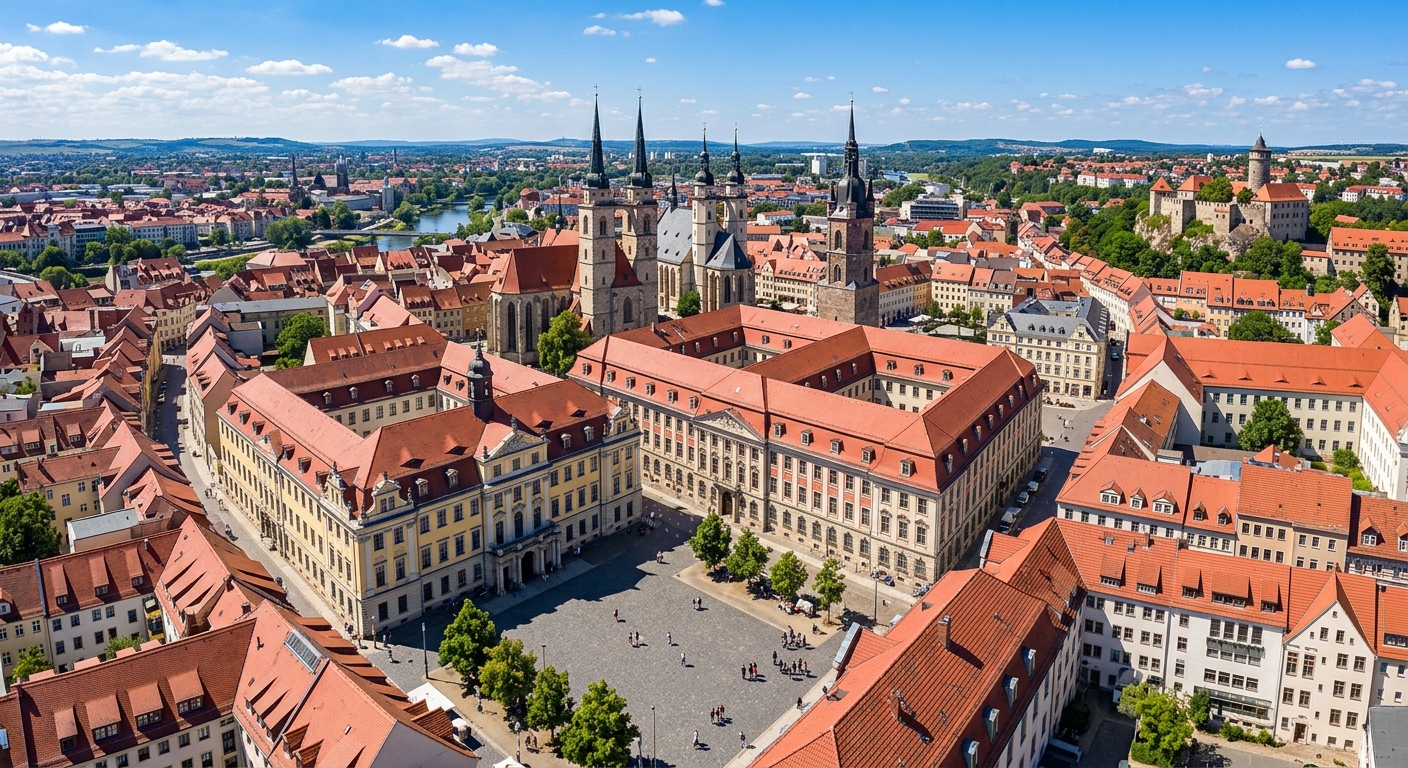
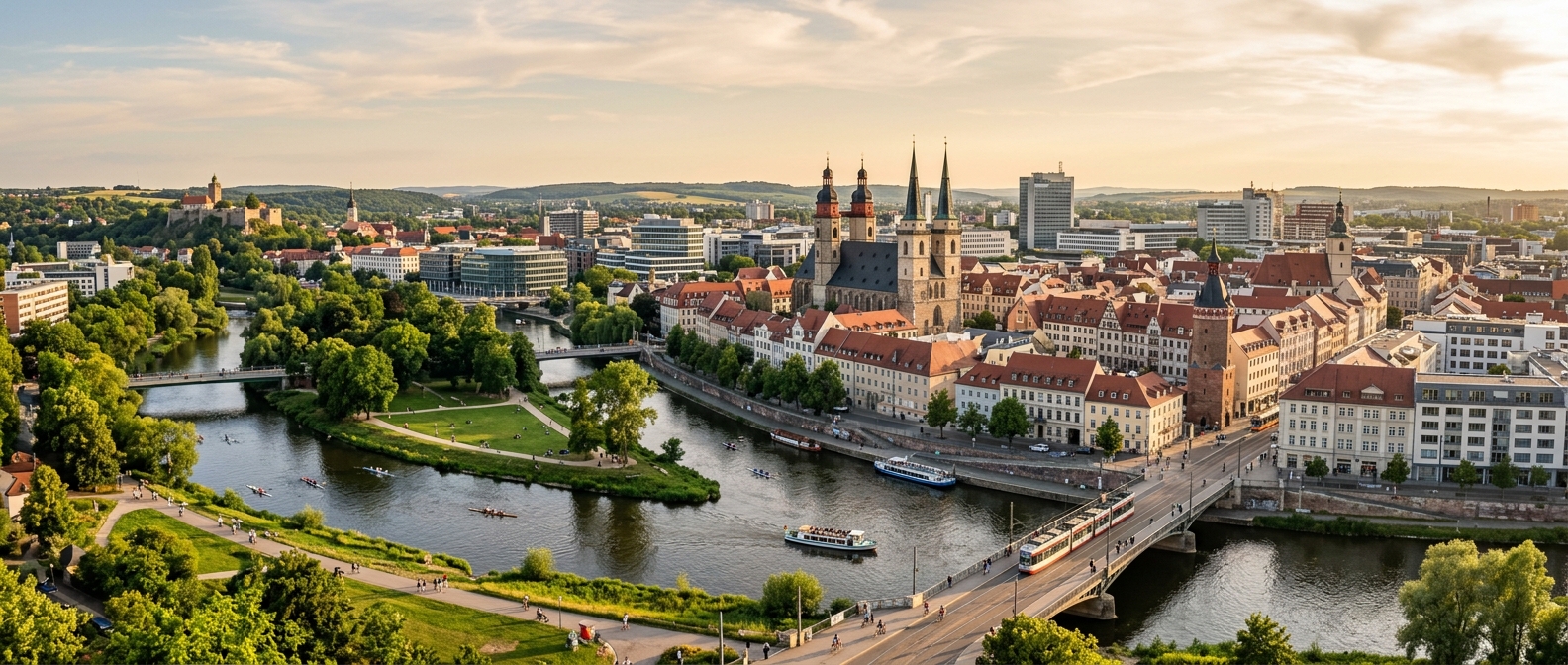
Halle is a historic city with approximately 240,000 residents, situated on the Saale River in Saxony-Anhalt. Known as the birthplace of composer Georg Friedrich Händel, the city offers a rich cultural scene with museums, theatres, concerts, and the annual Handel Festival. Halle is one of the most affordable cities in Germany, making it an attractive destination for students.
Affordable Cost of Living
Halle offers significantly lower living costs compared to cities like Berlin or Munich, with estimated monthly expenses of around EUR 550-700 including rent, food, and transport.
Excellent Transport Connections
Halle has good rail connections to the German Intercity network and is just 30 minutes from Leipzig by train. Leipzig-Halle Airport provides international flight connections.
Rich Cultural Heritage
The city is home to the Handel Festival, numerous museums, the Francke Foundations, theatres, and a thriving arts scene that enriches student life year-round.
Green and Liveable City
Often called one of the greenest cities in Germany, Halle features extensive parks, the Saale River promenade, and the Peißnitz Island — ideal for recreation and outdoor activities.
Career Outcomes and Alumni Network
Career Outcomes and Alumni Network
Notable Research and Industry Partners
Practical Information
Practical Information
For International Students
The MLU International Office provides comprehensive support including orientation programmes, visa assistance, help with accommodation, and guidance on navigating the German job market and work permits.
MLU offers preparatory German language courses and a dedicated language centre to help international students reach the required proficiency for German-taught programmes or daily life.
International students must provide a Finanzierungsnachweis (proof of financial resources) to the German Embassy, typically demonstrating access to approximately EUR 11,208 per year in a blocked account.
Key Contacts
- +90 5435286292
- +44 7868736984
- [email protected]
- [email protected]
Worldwide University Rankings
Worldwide University Rankings
Martin Luther University Halle-Wittenberg is consistently recognized in major global university rankings, reflecting its strong research output and academic reputation. The university is particularly well-regarded in fields such as chemistry, materials science, ecology, and agricultural sciences.
| Subject | Ranking Body | Rank |
|---|---|---|
| Ecology | ShanghaiRanking GRAS | #51 globally |
| Business & Management Studies | QS Subject Rankings | #101 globally |
| Chemistry | EduRank | #329 globally |
| Polymer Science & Plastics Engineering | EduRank | #8 globally |


Features
Martin Luther University Halle-Wittenberg (MLU), founded in 1817 through the merger of the Universities of Wittenberg (1502) and Halle (1694), is one of Germany’s oldest and most respected institutions. With around 19,879 students and 2,942 academic staff, MLU offers a wide range of undergraduate and graduate programs across disciplines. The university emphasizes research, innovation, and strong industry partnerships with companies like Siemens, Bayer, and SAP. Though specific employment rates are not published, its career-oriented approach ensures solid prospects for graduates.
Accommodation
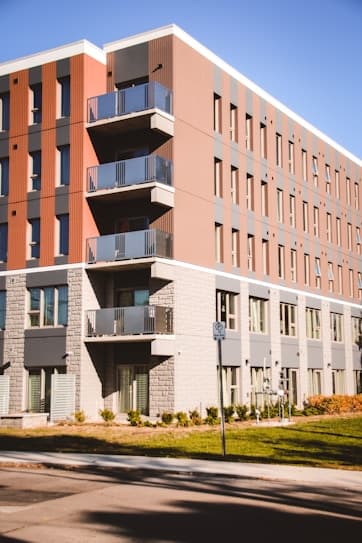
The Studentenwerk Halle operates 28 residence halls offering over 3,500 spots for students. These dormitories provide various living arrangements, including single rooms, shared apartments, and family-friendly units. All rooms are furnished and include utilities, internet access, and communal facilities like kitchens and laundry rooms.\n\nExamples of student residences include:\n\nLandrain Dorms: Located near the Humanities and Social Sciences Campus.\n\nWeinberg Dorms HH I: Situated on the Weinberg Campus, close to the Heide-Süd Campus. \n\nDorm Brandbergweg: Offers modern single and double apartments, some suitable for students with children.

Work While Studying
Yes, students at Martin Luther University Halle-Wittenberg (MLU) are permitted to work while studying, subject to specific regulations based on their nationality.

Co-op/Internship Participation
Yes, Martin Luther University Halle-Wittenberg (MLU) offers comprehensive internship services to support students in gaining practical experience during their studies.\n\nMLU's Career Center provides personalized guidance for students seeking internships, including assistance with:\n\nCrafting effective application documents\n\nIdentifying suitable internship opportunities\n\nPreparing for interviews
Featured Programmes



Location
06108 Halle (Saale), Germany

Uni4Edu AI Assistant