TU Dortmund University
Dortmund, Germany
TU Dortmund University
Dortmund, Germany
Founded
1968
Institution Type
Public Research University
Total Students
~34,500
Departments
17
Discover TU Dortmund University: A Hub of Innovation in Germany's Ruhr Region
Discover TU Dortmund University: A Hub of Innovation in Germany's Ruhr Region
Founded in 1968 during the decline of the coal and steel industry in the Ruhr region, TU Dortmund University was established as a catalyst for the region's economic transformation from heavy industry to technology. Today it is a leading public research university offering around 80 degree programs across 17 departments spanning natural sciences, engineering, social sciences, and cultural studies.
TU Dortmund University is part of the University Alliance Ruhr (UA Ruhr) together with Ruhr University Bochum and the University of Duisburg-Essen, forming one of the largest academic alliances in Germany. The university is particularly renowned for its research strengths in production engineering, computer science, statistics, physics, chemical engineering, and educational research.
With approximately 34,500 students, over 6,300 employees including 300 professors, and an endowment of around EUR 161 million, TU Dortmund plays a pivotal role in driving the Ruhr area's transformation into a high-tech and cultural metropolis. The university also holds the historic distinction of having helped bring the Internet to Germany in the 1980s, hosting the first .de domain registration point in 1986.
Key Milestones
- 1968: University of Dortmund officially founded during the Ruhr region's economic transformation
- 1984: The H-Bahn automated monorail system connecting North and South campuses begins operation
- 1986: Department of Computer Science hosts the first .de domain registration point, pioneering the Internet in Germany
- 2007: University renamed to TU Dortmund University (Technische Universität Dortmund) with a new constitution
Academic Structure and Departments at TU Dortmund
Academic Structure and Departments at TU Dortmund
TU Dortmund University comprises 17 departments covering a broad spectrum from natural sciences and engineering to social sciences and cultural studies. Students can choose from classical subjects and innovative programs such as medical physics, spatial planning, statistics, and journalism, with a particular focus on teacher training for all school types.
Department of Computer Science
One of the first and largest computer science departments in Germany, established in 1972. Home to a German competency center for machine learning and the birthplace of the RapidMiner software.
- B.Sc. / M.Sc. Computer Science
- M.Sc. Data Science
- M.Sc. Automation and Robotics
Department of Mechanical Engineering
Nationally recognized for its emphasis on production technology and logistics. Ranked among the top ten in Germany in the CHE University Ranking for student satisfaction and teaching quality.
- B.Sc. Mechanical Engineering
- M.Sc. Manufacturing Technology (MMT)
- M.Sc. Logistics
Department of Physics
Known for outstanding research in experimental and theoretical physics, including particle physics conducted at CERN and DESY. Offers unique programs such as Medical Physics.
- B.Sc. Physics
- M.Sc. Physics
- B.Sc. Medical Physics
Department of Biochemical and Chemical Engineering
Ranked first nationwide in the 2025 CHE University Ranking for its bachelor's programs. Combines biochemical and chemical process engineering with strong industry connections.
- B.Sc. Biochemical Engineering
- B.Sc. Chemical Engineering
- M.Sc. Process Systems Engineering
Department of Statistics
The only stand-alone statistics department in German-speaking countries. Offers specialized programs in statistics and data science with a strong applied mathematics foundation.
- B.Sc. Statistics
- B.Sc. Data Analysis and Data Management
- M.Sc. Data Science
Department of Electrical Engineering and Information Technology
Among the top ten programs in Germany for study organization and teaching offerings. Focuses on cutting-edge research in electrical engineering, information technology, and embedded systems.
- B.Sc. Electrical Engineering
- M.Sc. Electrical Engineering and Information Technology
- M.Sc. Embedded Systems for Mechatronics
Admission Requirements for TU Dortmund University
Admission Requirements for TU Dortmund University
Undergraduate Admission
- Educational QualificationGerman Abitur or recognized international equivalent (e.g., A-Levels, IB Diploma). Non-EU applicants may need Studienkolleg.
- German LanguageDSH-2 or TestDaF 4x4 for German-taught programs
- English LanguageIELTS 6.5+ or TOEFL iBT 79+ for English-taught programs
- Application PortalVia uni-assist or directly through TU Dortmund, depending on program
- Numerus ClaususSome programs have restricted admission based on GPA; check individual program requirements
Graduate Admission
- Bachelor's DegreeCompleted bachelor's degree in a relevant field from a recognized institution
- GPA RequirementVaries by program; competitive programs may require strong academic records
- English ProficiencyIELTS 6.5-7.0 or TOEFL iBT 79-90+ depending on the program
- Supporting DocumentsTranscript, CV, letters of recommendation, statement of purpose
- GRE ScoreNot mandatory but recommended for some programs to strengthen the application
Application deadline for most programs starting in October (winter semester) for international applicants
Application deadline for programs starting in April (summer semester) for international applicants
Earlier deadlines may apply for programs with numerus clausus or restricted admission
Some master's programs have individual deadlines; always check the specific program page on the TU Dortmund website
Tuition Fees and Scholarships at TU Dortmund University
Tuition Fees and Scholarships at TU Dortmund University
As a public university in Germany, TU Dortmund does not charge tuition fees for most degree programs, regardless of nationality. Students pay only a semester contribution (Semesterbeitrag) that covers administrative costs, student services, and a semester ticket for public transportation across the region.
| Cost Category | EU Students (per semester) | Non-EU Students (per semester) |
|---|---|---|
| Tuition Fees | EUR 0 | EUR 0 |
| Semester Contribution (Semesterbeitrag) | ~EUR 300-350 | ~EUR 300-350 |
| Semester Ticket (included in contribution) | Included | Included |
| Estimated Living Costs (monthly) | ~EUR 650 | ~EUR 650 |
| Total | ~EUR 300-350 per semester | ~EUR 300-350 per semester |
Deutschlandstipendium (Germany Scholarship)
A merit-based scholarship funded jointly by the German federal government and private sponsors, supporting talented students regardless of nationality.
- Amount: EUR 300 per month
- Duration: At least 2 semesters, renewable
- Eligibility: Outstanding academic performance, social engagement, or special achievements
DAAD STIBET Graduation Scholarships
Funded by the German Academic Exchange Service (DAAD), these scholarships support international students in the final phase of their degree programs at TU Dortmund.
- Target Group: International students nearing graduation
- Funding: Monthly stipend; amount varies
- Application: Through TU Dortmund International Office
Campus and Facilities at TU Dortmund University
Campus and Facilities at TU Dortmund University
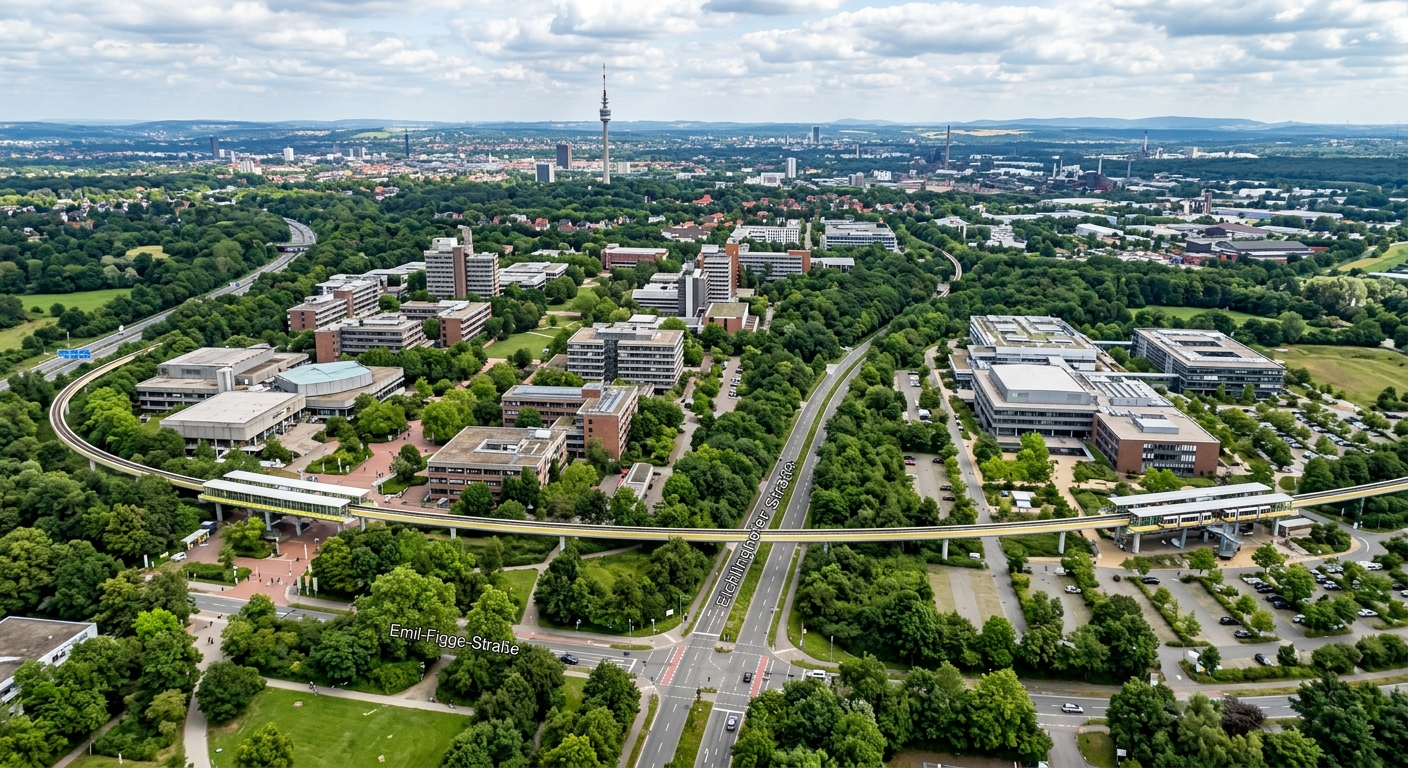
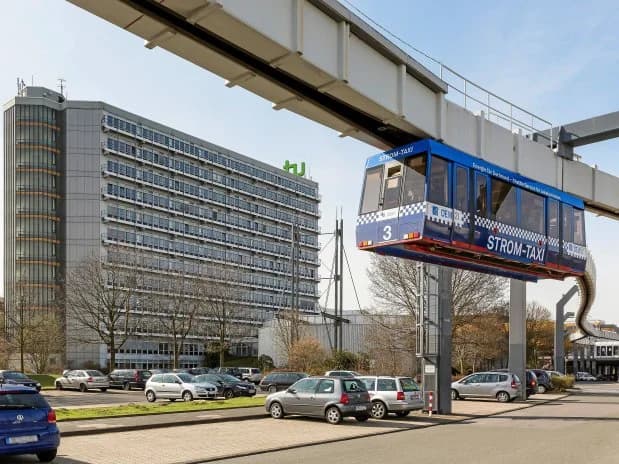
TU Dortmund is a campus university located about 3.2 km outside downtown Dortmund. Its two main campuses, North and South, are connected by the iconic H-Bahn, an automated suspended monorail that has been in operation since 1984 and runs every five minutes across a nature reserve.
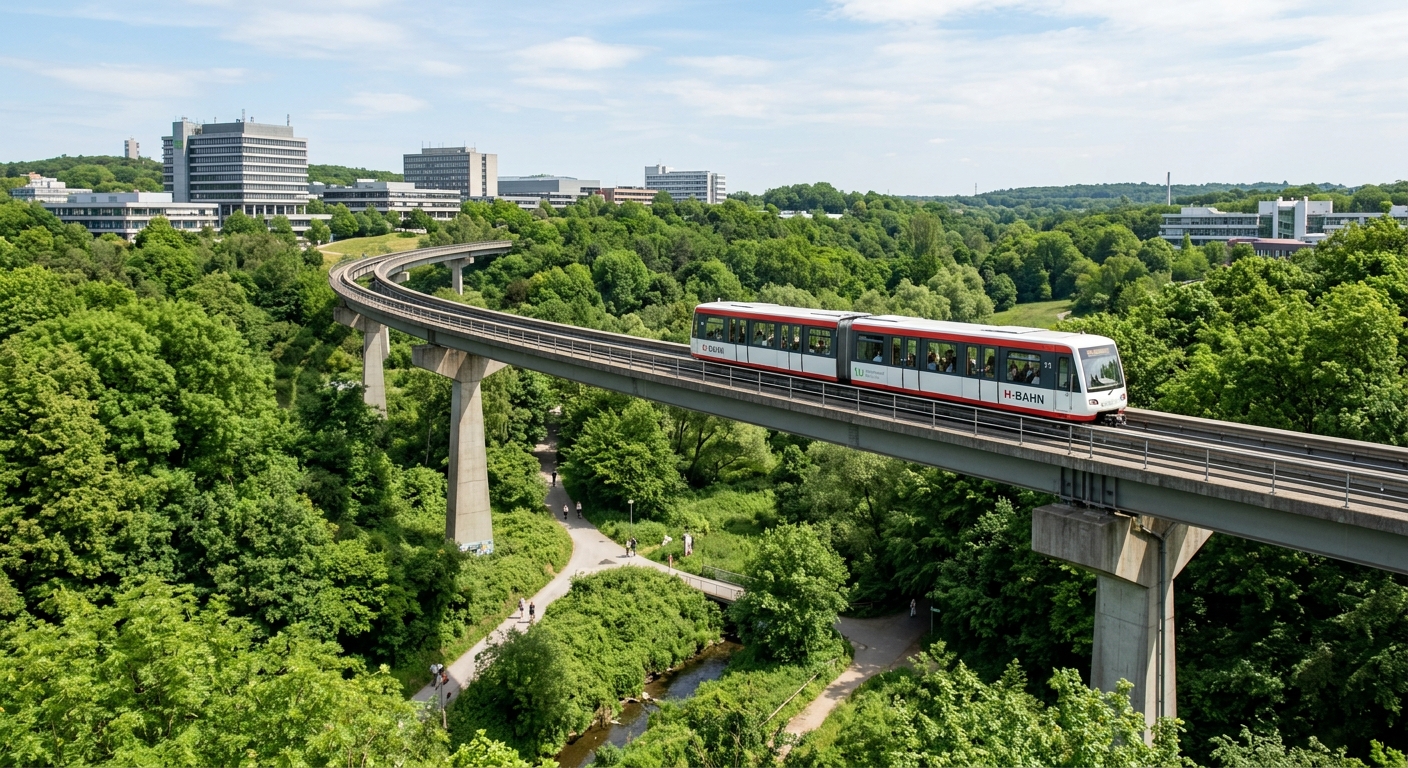
An automated hanging monorail connecting North and South campuses since 1984, crossing a nature reserve at approximately 15 meters height
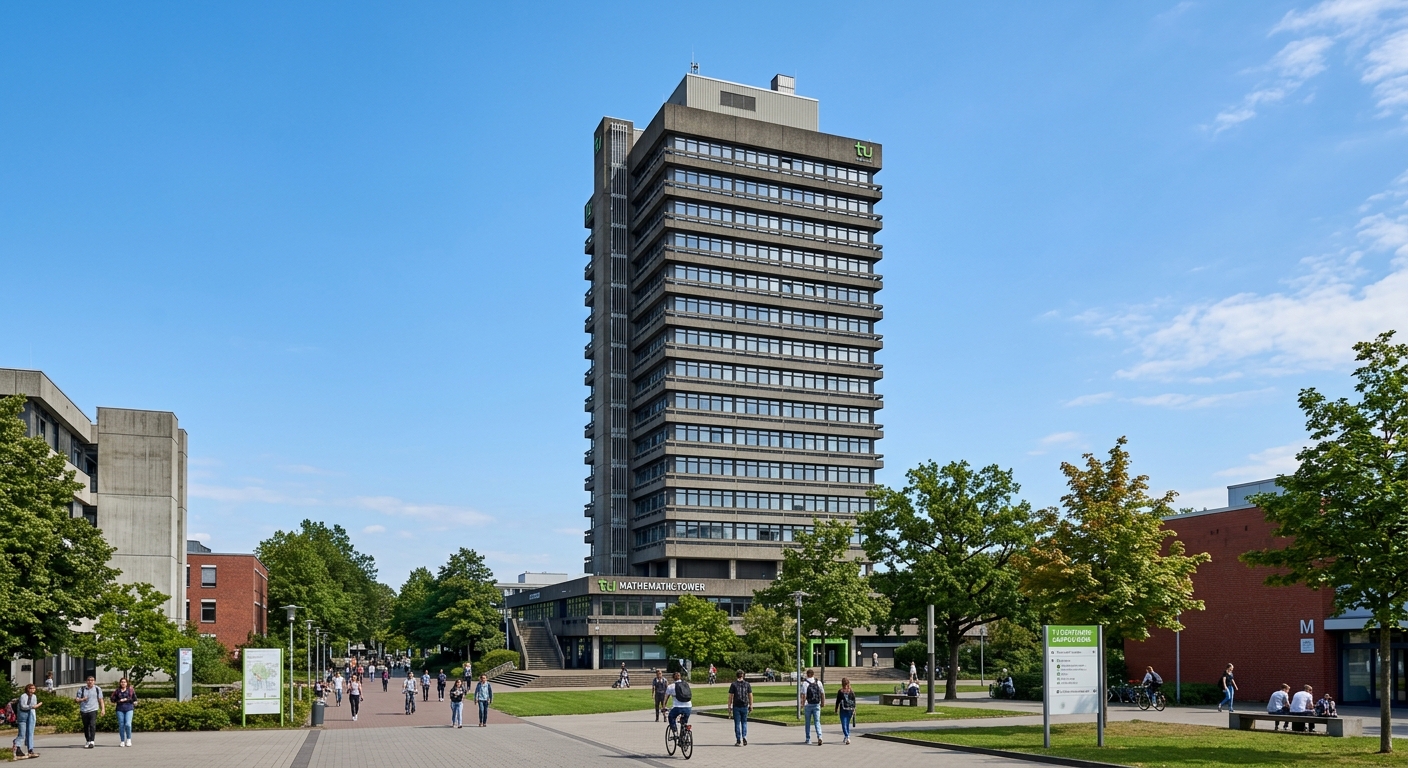
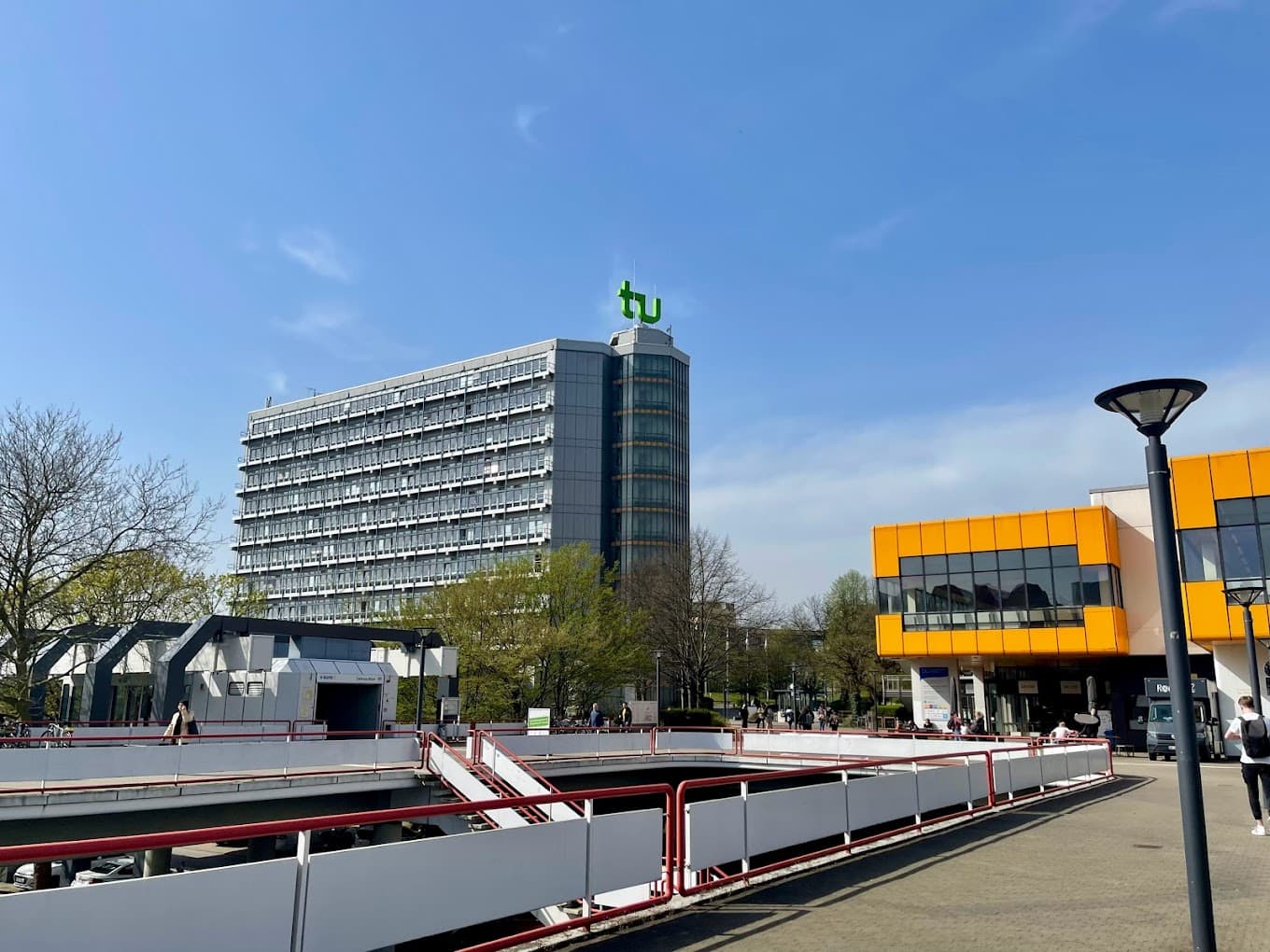
One of the most prominent buildings on campus, the Mathematics Tower houses the Faculty of Mathematics and is an iconic landmark of TU Dortmund
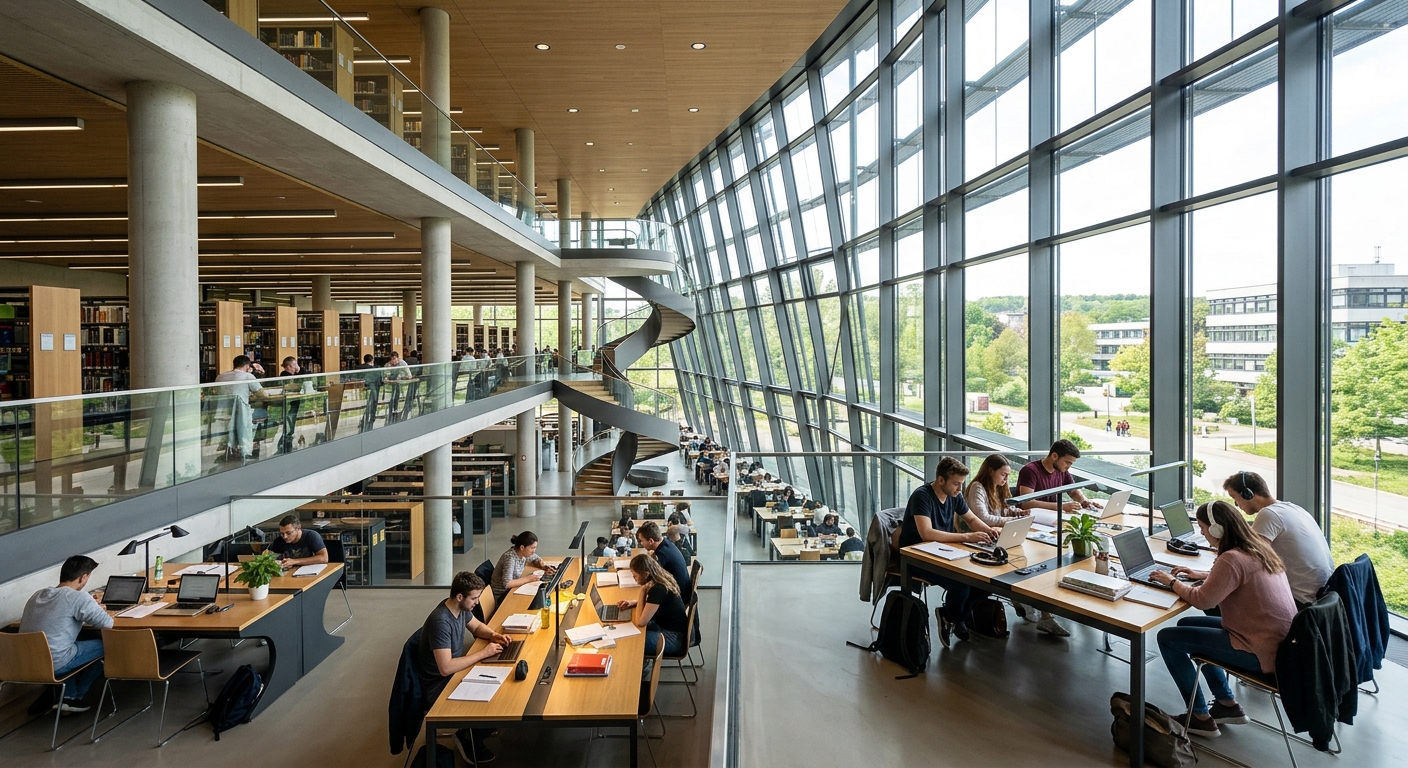
The central library offers over 1.75 million media items, 97,000 e-books, and more than 1,700 workstations across four library locations
Housing and Dining
Student Housing
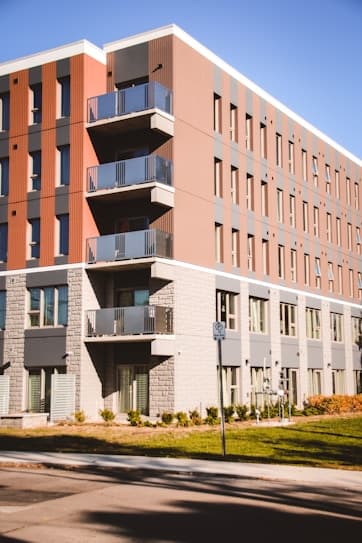
The Studierendenwerk Dortmund manages student accommodation with over 2,800 places in 11 residential complexes, ranging from single rooms to shared flats. Early application is strongly recommended due to high demand.
- 11 residential complexes across Dortmund
- Options from single rooms to four-person shared flats
- Barrier-free accommodation available for students with disabilities
Dining and Cafeterias
The Studierendenwerk operates seven catering establishments on campus offering a wide variety of meals with daily changing menus. The main cafeteria is located on North Campus.
- 7 campus cafeterias and dining facilities
- Daily changing menus with diverse food options
- Affordable meal plans for students
Student Life at TU Dortmund University
Student Life at TU Dortmund University
TU Dortmund offers a vibrant student life with numerous organizations, cultural events, and recreational activities. The university's international community, supported by organizations like ESN Dortmund and ISS, ensures that students from around the world feel welcome and integrated into campus life.
Dortmund: A Vibrant City in the Heart of Germany's Ruhr Region
Dortmund: A Vibrant City in the Heart of Germany's Ruhr Region
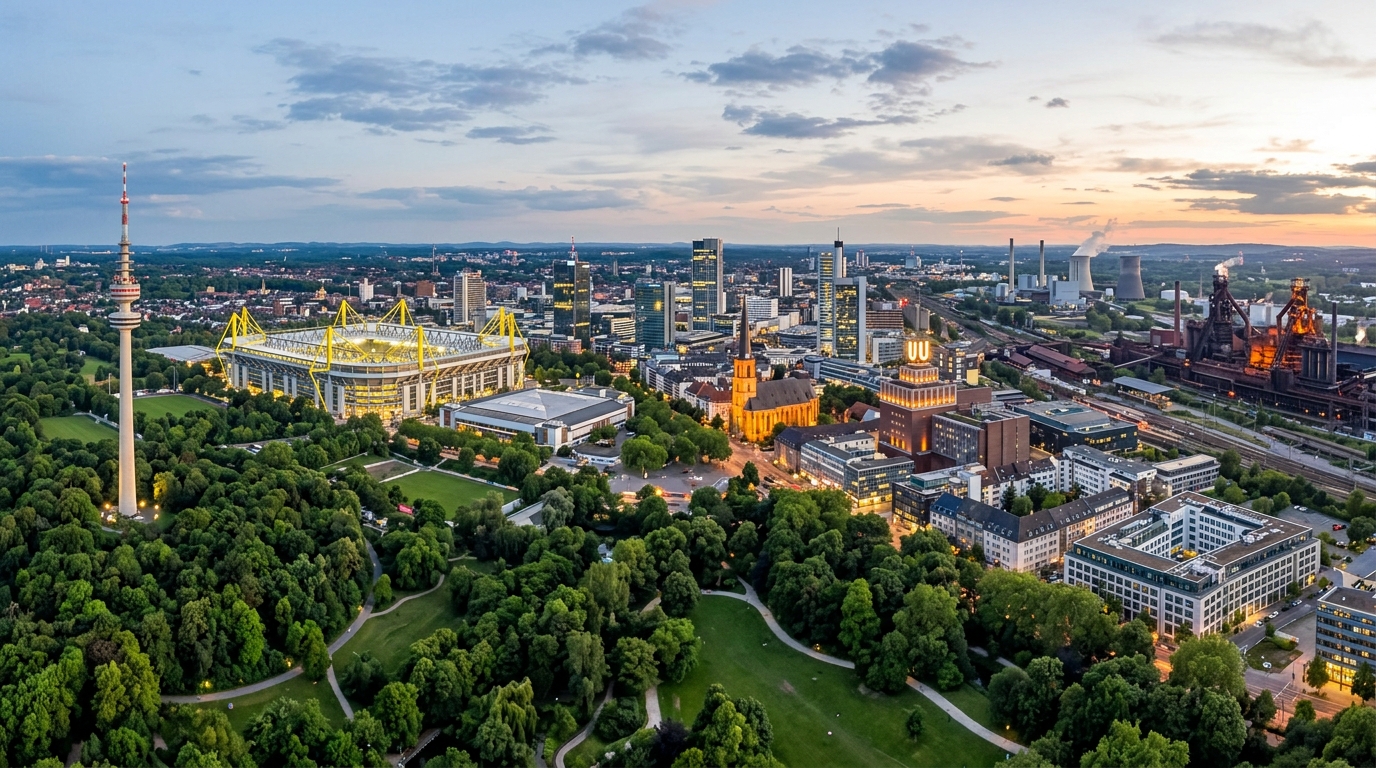
Living in Dortmund
Dortmund is a vibrant and cosmopolitan city with a population of around 600,000 in the heart of Germany's Ruhr metropolitan area, the fourth-largest urban area in Europe. With a modest cost of living compared to other major German cities, excellent public transportation, and a thriving cultural scene, Dortmund offers an ideal setting for international students.
Affordable Cost of Living
Dortmund offers significantly lower living costs than cities like Munich or Frankfurt, with estimated monthly expenses of around EUR 650 including rent, food, and transportation.
Excellent Transportation
The semester ticket included in your semester contribution provides free public transport across the entire North Rhine-Westphalia region, connecting you to cities like Cologne, Düsseldorf, and Essen.
Cultural and Sports Scene
Home to Borussia Dortmund football club and Signal Iduna Park, the city also boasts theaters, museums, the Dortmunder U arts center, and a lively nightlife scene.
Gateway to Europe
Dortmund's central European location and nearby Dortmund Airport make it easy to travel to major European destinations. Amsterdam, Brussels, and Paris are all within a few hours by train.
Career Outcomes and Alumni Network
Career Outcomes and Alumni Network
Notable Employers and Industry Connections
Practical Information for International Students
Practical Information for International Students
For International Students
The International Office provides dedicated support for international students including help with visas, accommodation, enrollment, and integration into university life. They organize orientation programs and buddy systems.
International students from non-EU countries typically need a student visa. You must show proof of financial resources (currently EUR 11,208 per year in a blocked account) and valid health insurance.
TU Dortmund offers German language courses for international students to help with daily life and academic integration, even if your program is taught in English.
Key Contacts
- +90 5435286292
- +44 7868736984
- [email protected]
- [email protected]
TU Dortmund University: Worldwide Rankings
TU Dortmund University: Worldwide Rankings
TU Dortmund University is consistently ranked among the top universities in Germany and globally, with particular strengths in engineering, computer science, statistics, and physics. The university's research output and interdisciplinary approach continue to strengthen its international reputation.
| Subject | Ranking Body | Rank |
|---|---|---|
| Computer Science | EduRank | #313 worldwide, #22 in Germany |
| Engineering | EduRank | #350 worldwide, #24 in Germany |
| Mathematics | EduRank | #355 worldwide, #21 in Germany |
| Statistics | QS Subject Rankings | #101 worldwide (top-ranked in Germany) |


Features
With around 6,600 employees, TU Dortmund University is one of Dortmund’s largest employers and has helped to drive the transformation of the city and the Ruhr region from Europe’s largest coal mining and steel production area into a high-tech and service location as well as a cultural metropolis. Located in the immediate vicinity of the campus, the TechnologieZentrumDortmund – the largest technology park in Europe – is highly successful in promoting the economic application of ideas from science. The lively exchange with neighbors in the region, but also with partners in Europe and around the world, is a special asset for students and scientists. One in six students at TU Dortmund University comes from abroad. In addition, the university welcomes around 260 exchange students each year. \n\n\n\n\n\n
Accommodation
Accommodation service is available.\n

Work While Studying
Students can work while studying.\n

Co-op/Internship Participation
Students can work while studying.\n
Featured Programmes




Location
August-Schmidt-Straße 4 44227

Uni4Edu AI Assistant