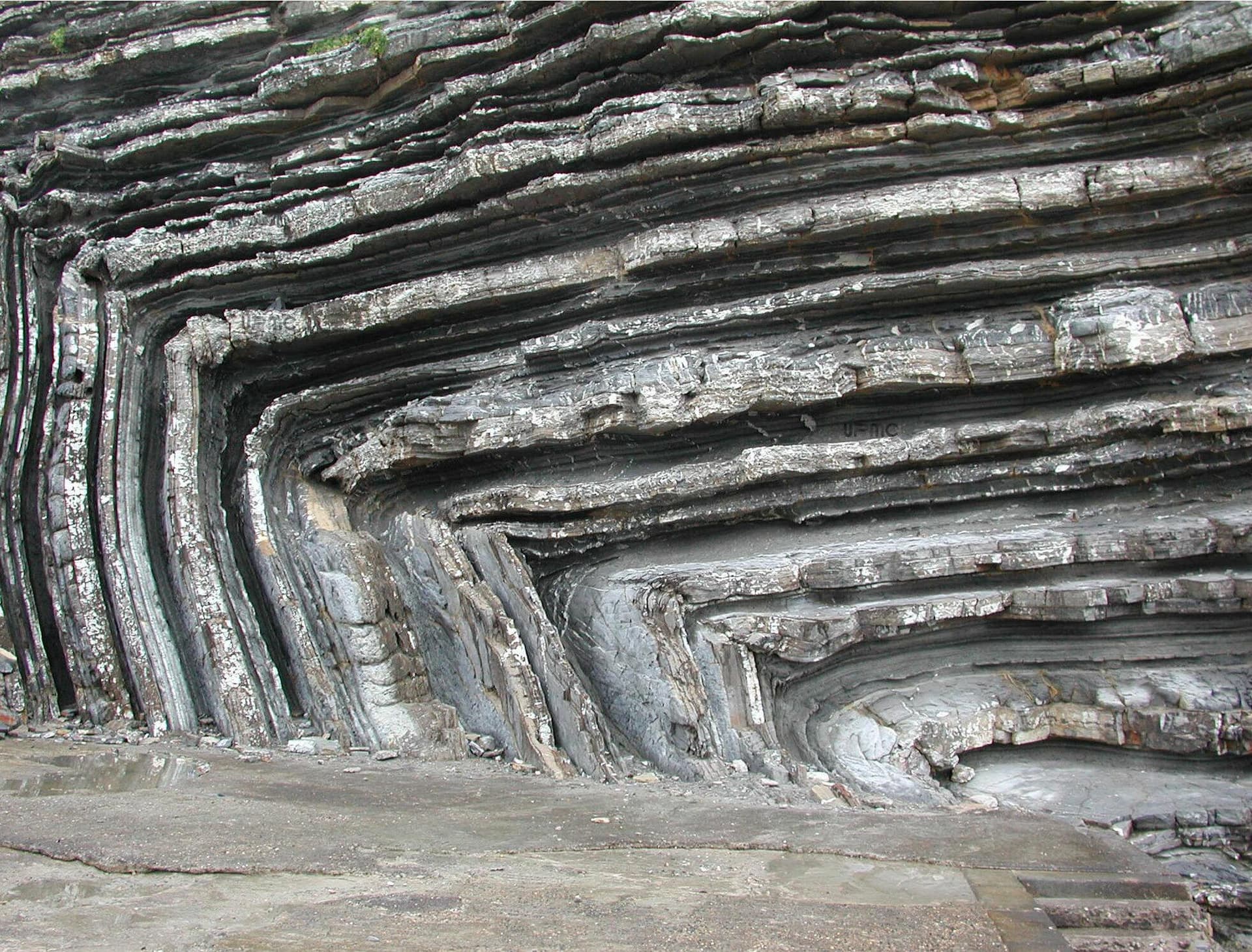
Bachelor's Degree in Earth Sciences
Sorbonne Université, France
Bachelor's Degree in Earth Sciences (Licence Sciences de la Terre)
Sorbonne University
Earth Sciences
Program Overview: Bachelor's in Earth Sciences at Sorbonne University
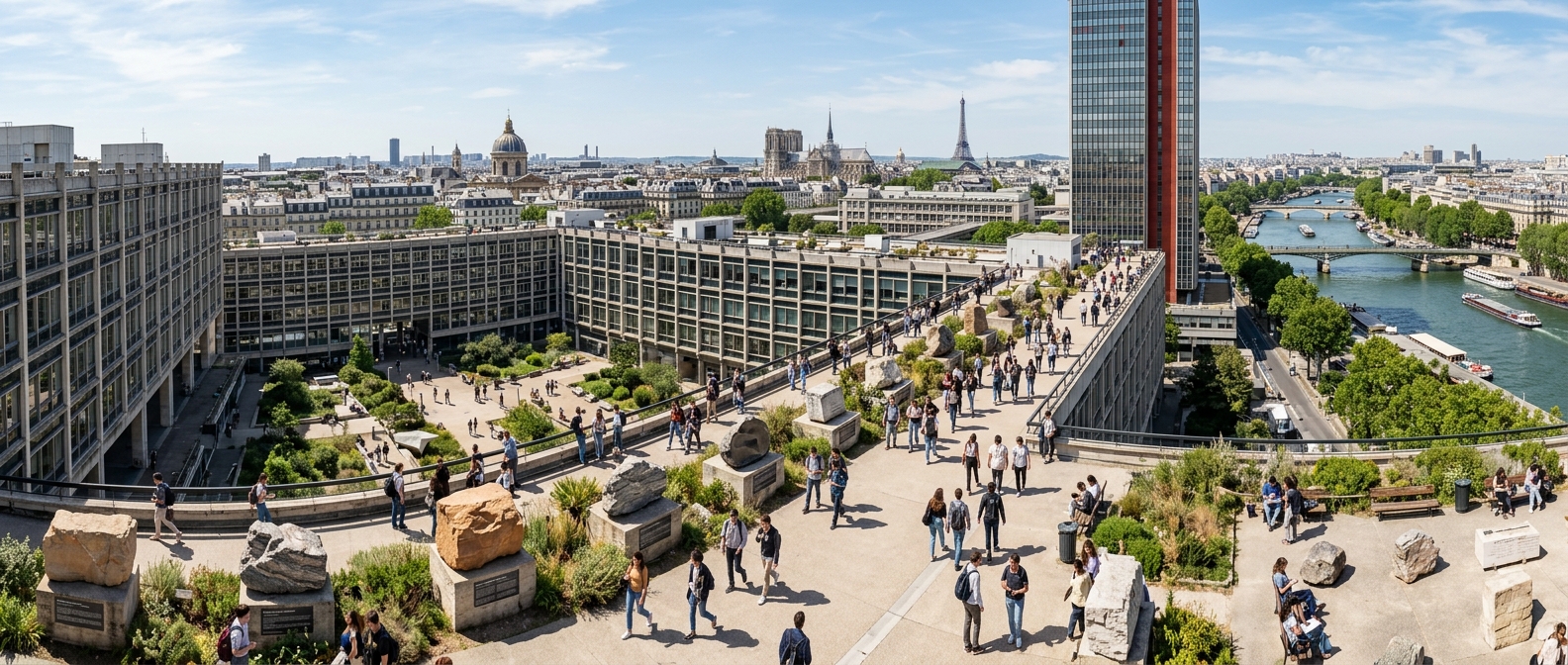
The Bachelor's Degree in Earth Sciences (Licence Sciences de la Terre) at Sorbonne University provides a broad spectrum of knowledge about the Earth and its envelopes, including their nature, dynamics, and history. Housed within the Faculty of Science and Engineering on the historic Jussieu Campus in Paris, this program addresses critical issues related to climate, global changes, biodiversity, and the sustainable management of natural environments.
This inherently multidisciplinary program draws on foundational concepts from physics, chemistry, computer science, and life sciences to understand the complex Earth system. Students benefit from instruction delivered by over 100 research-active faculty members, with at least two-thirds of all teaching consisting of practical work and tutorials conducted in dedicated laboratories and computing facilities.
The program follows the French Licence structure, beginning with a multidisciplinary first year (L1) through a gateway portal before specializing in Earth Sciences from the second year onward. Students can pursue a mono-disciplinary track, a bi-disciplinary major-minor pathway, or an intensive double degree combining Earth Sciences with Chemistry, Mechanics, Physics, or Life Sciences.
Key Program Highlights
- Three mandatory field excursions (4 to 10 days each, totaling 12 ECTS) at locations including marine stations in Villefranche-sur-Mer and Banyuls
- Over 100 research-active faculty members and access to a dedicated analogue modelling laboratory and specialized computing facilities
- Flexible major-minor system allowing bi-disciplinary and double-degree pathways with Chemistry, Mechanics, Physics, or Life Sciences
- Direct pathway to the prestigious Master's in Earth and Planetary Sciences, Environment (STePE) at Sorbonne University
Curriculum and Modules
The curriculum is structured across three years (six semesters), beginning with a multidisciplinary integration year (L1) followed by progressive specialization in Earth Sciences during L2 and L3. Teaching combines lectures, practical sessions, fieldwork, and laboratory projects, ensuring students develop both theoretical knowledge and hands-on skills in geosciences.
Mineralogy, Petrology, and Magmatism
6 ECTSStudy of minerals, rock formation processes, and magmatic systems. Students learn to identify and classify geological materials through laboratory analysis and microscopy techniques.
Sedimentology and Tectonics
6 ECTSAnalysis of sedimentary processes, depositional environments, and tectonic deformation. This module combines theoretical frameworks with practical exercises in structural geology and stratigraphic interpretation.
Hydrology and Hydrogeology
3 ECTSIntroduction to surface and groundwater systems, water cycle dynamics, and aquifer characterization. Students explore methods for assessing water resources and understanding hydrological risks.
GIS and Cartography
6 ECTSTraining in Geographic Information Systems and geological mapping techniques. Students acquire practical skills in spatial data analysis, digital cartography, and remote sensing applications for geosciences.
Dynamics of the Earth
3 ECTSExploration of plate tectonics, mantle convection, and the geodynamic processes shaping the Earth's interior and surface. This module provides a global framework for understanding geological phenomena.
Paleontology
3 ECTSStudy of fossil records, evolutionary biology, and the history of life on Earth. Students learn to interpret paleontological evidence and reconstruct past environments and ecosystems.
Elective Modules
Admission Requirements
Admission to the Bachelor's in Earth Sciences at Sorbonne University is competitive. International students enter through the multidisciplinary first-year portal (L1) before specializing in Earth Sciences from the second year. All applications for international students are processed through Uni4Edu, which provides personalized guidance throughout the entire admissions process.
Academic Requirements
- Secondary EducationCompleted secondary school diploma equivalent to the French Baccalauréat, with strong preparation in Mathematics and at least one natural science subject
- Academic PerformanceStrong academic record in Mathematics, Physics, Chemistry, or Biology/Earth Sciences at the upper secondary level
- Mathematics ProficiencySolid foundation in mathematics is essential, as it underpins the quantitative aspects of the Earth Sciences curriculum
- Motivation StatementA personal statement outlining your interest in Earth Sciences, academic goals, and career aspirations
- Advanced Entry (L2/L3)Students with prior university coursework or a relevant diploma (e.g., BTS) may apply for direct entry into the second or third year upon evaluation
Language Requirements
- French Proficiency (Primary)TCF, DELF B2, or DALF certification required, as the program is taught entirely in French
- Alternative French TestsTEF or equivalent French language certification at B2 level or above is also accepted
- English ProficiencyEnglish reading comprehension is recommended for accessing international scientific literature; no formal test required
Required Documents
Application Deadlines
For personalized admission guidance, document verification, and application support, please contact Uni4Edu
Scholarships and Funding
Sorbonne University and the French government offer several financial support options for international students pursuing the Bachelor's in Earth Sciences. Uni4Edu can help you identify and apply for the most suitable funding opportunities based on your profile and nationality.
Eiffel Excellence Scholarship Program
A prestigious French government scholarship program administered by Campus France, designed to attract top international students to French higher education institutions. It covers a monthly allowance, travel, and health insurance.
For detailed tuition fee information, please contact Uni4Edu — we will guide you through the costs and available funding options for this program.
Career Prospects
Graduates of the Bachelor's in Earth Sciences from Sorbonne University are well-prepared for careers in a wide range of sectors, including water resource management, natural resource exploration, environmental consulting, and geotechnical engineering. The program also serves as an excellent foundation for further study at the master's and doctoral levels, opening doors to research careers in geosciences and related fields.
Potential Career Paths
Typical Employers and Sectors
Rankings and Recognition
Sorbonne University is consistently recognized as one of the leading research universities in Europe and worldwide. Formed in 2018 from the merger of Paris-Sorbonne University and Pierre and Marie Curie University, it carries a legacy of academic excellence dating back to the 13th century. The university is particularly renowned for its strength in Natural Sciences, where it ranks among the top institutions globally.
| Subject | Ranking Body | Rank |
|---|---|---|
| Natural Sciences | QS World University Rankings | #14 |
| Earth and Marine Sciences | QS Subject Rankings | Top 50 (Contact Uni4Edu for current data) |
| Geosciences | ARWU Subject Rankings | Top 50 (Contact Uni4Edu for current data) |
| Physics and Astronomy | QS Subject Rankings | #28 |
How to Apply
Applying for this program is easy with Uni4Edu. Our team will guide you through every step of the process — from document preparation to final enrolment.
Contact Uni4Edu
Reach out to our team via email or phone. We will assess your profile and confirm your eligibility for this program.
Prepare Your Documents
Our advisors will provide you with a personalised checklist of required documents and help you prepare your application package.
Submit Your Application
Uni4Edu will submit your application on your behalf and keep you updated on its progress throughout the review period.
Receive Your Offer
Once accepted, we will help you understand your offer, arrange visa support if needed, and guide you through the enrolment process.
Similar Programmes

Master's & Postgraduate
24 months
Natural Resources - Ecology, Management & Restoration of Rangelands (MS)

University Of Arizona, Tucson, United States
Earliest Intake
May 2026
Gross Tuition
32065 $
Bachelor's Degree
48 months
Natural Resources (BS)
University Of Arizona, Tucson, United States
Earliest Intake
May 2027
Gross Tuition
39958 $

Bachelor's Degree
36 months
Archaeological Sciences (BA)
University of Erlangen–Nuremberg (FAU), Nürnberg, Germany
Earliest Intake
April 2026
Gross Tuition
144 €

Bachelor's Degree
36 months
Advanced Materials
University of Giessen (Justus Liebig University Giessen), Gießen, Germany
Earliest Intake
May 2026
Gross Tuition
805 €
Bachelor's Degree
36 months
Georesources Management
RWTH Aachen University, Aachen, Germany
Earliest Intake
November 2026
Gross Tuition
676 €



Uni4Edu AI Assistant