Roma Tor Vergata
Rome, Italy
University of Rome Tor Vergata
Rome, Italy
Founded
1982
Institution Type
Public Research University
Total Students
39,000+
Campus Size
600 Hectares
Discover the University of Rome Tor Vergata
Discover the University of Rome Tor Vergata
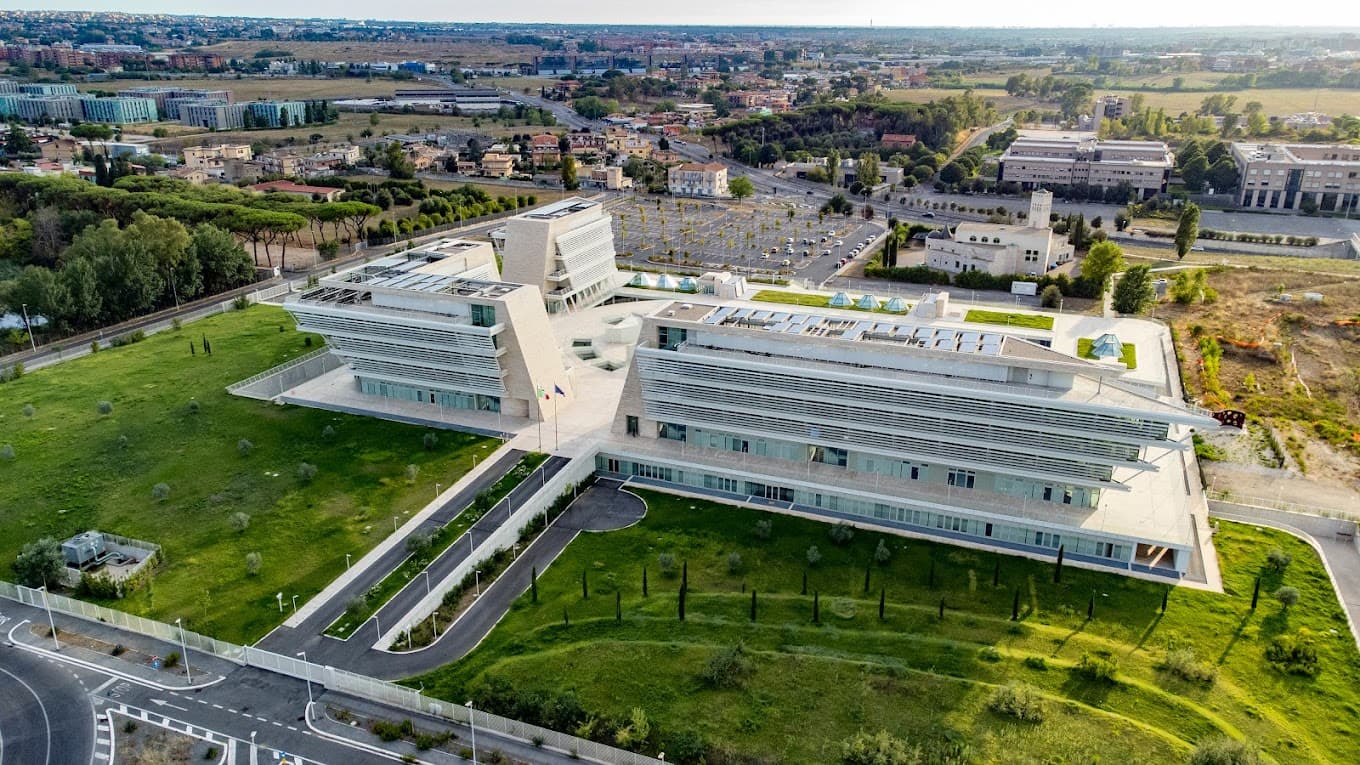
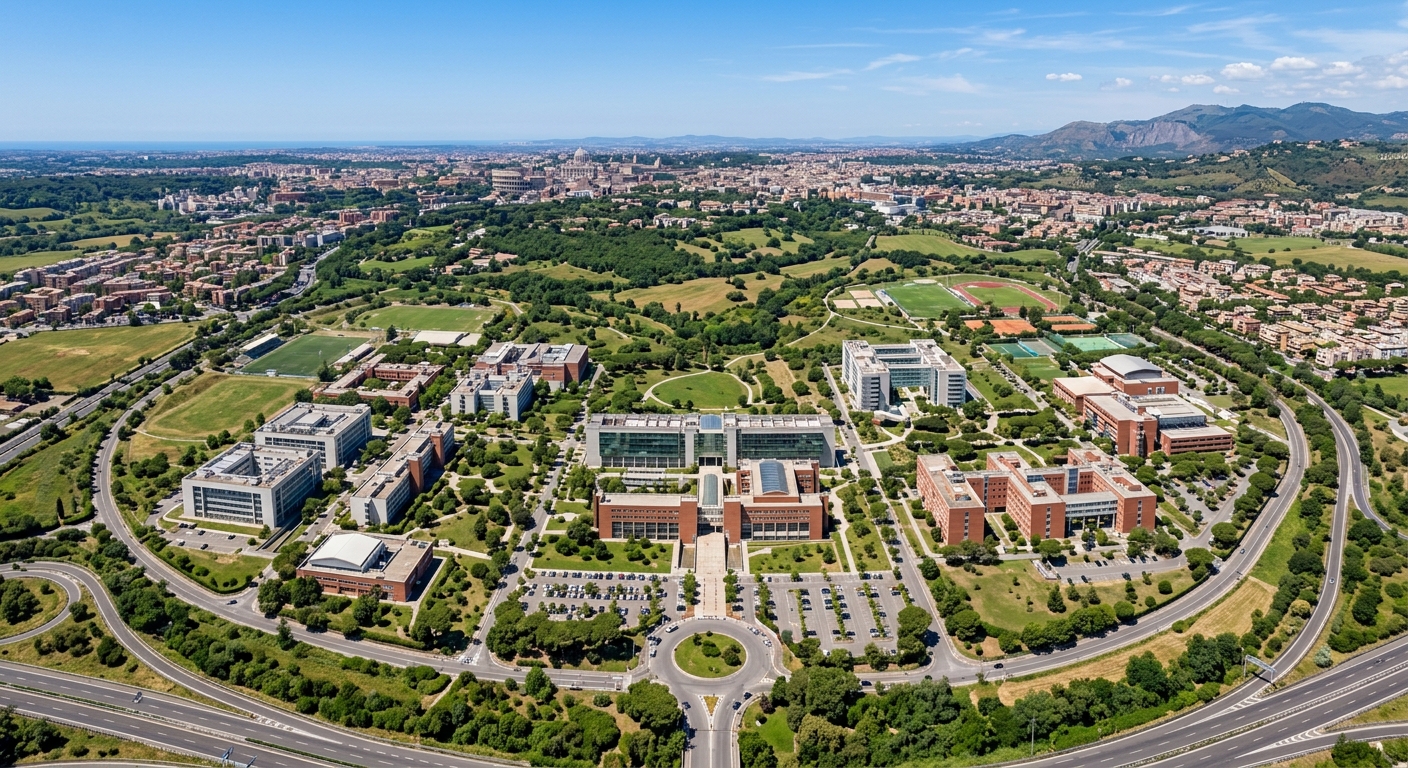
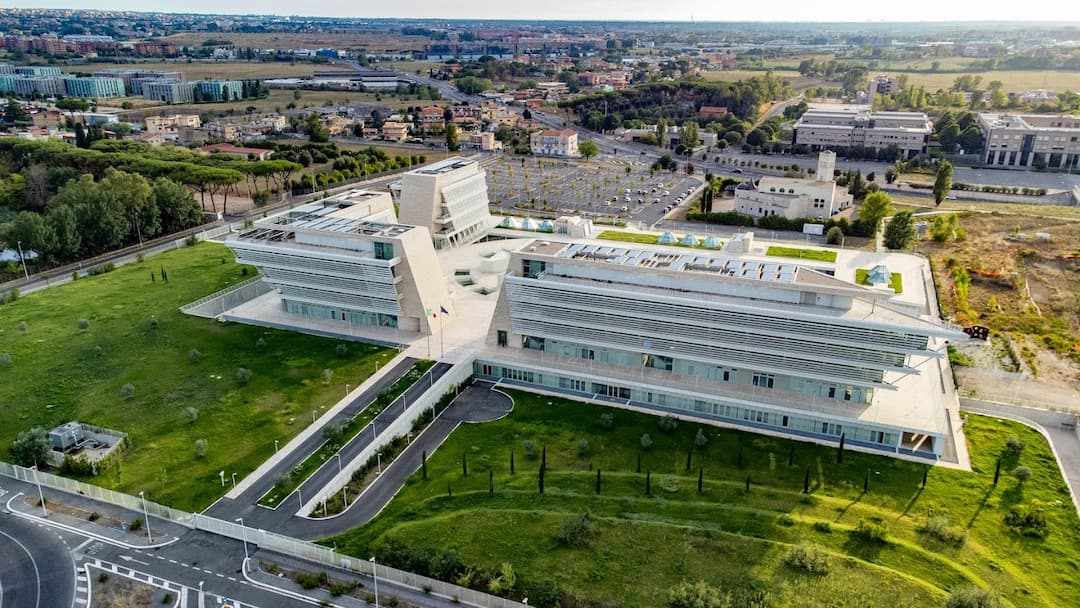
The University of Rome Tor Vergata, also known as Universita degli Studi di Roma Tor Vergata, is a public research university established in 1982 in the southeastern suburbs of Rome. Designed on the model of Anglo-Saxon campuses, it stretches across an expansive 600-hectare campus that hosts important research institutions including the Italian Space Agency (ASI) and the National Research Council (CNR).
The university is structured into six schools — Economics, Law, Engineering, Humanities and Philosophy, Medicine and Surgery, and Mathematics, Physics and Natural Sciences — organized across 18 departments. It offers over 100 graduate programmes, more than 15 courses taught entirely in English, and 32 PhD courses, making it a strong choice for international students seeking education in Italy's capital.
Tor Vergata is a member of the Young European Research Universities Network (YERUN), the Venice International University (VIU) network, and UNICA (Network of Universities from the Capitals of Europe). In 2019, it joined the Young Universities for the Future of Europe (YUFE) Alliance, selected by the European Commission as one of 17 pilot projects under the European Universities Initiative funded through Erasmus+.
Key Milestones
- 1982: University of Rome Tor Vergata officially established as a public research university in southeastern Rome.
- 1987: The Centre of Economic and International Studies (CEIS) founded within the Faculty of Economics, becoming an internationally recognized research centre.
- 2010: Campus X accommodation facility launched, becoming the largest student residence in Italy with over 1,300 bed spaces.
- 2019: Tor Vergata joined the YUFE Alliance, selected by the European Commission under the European Universities Initiative.
Academic Structure and Faculties
Academic Structure and Faculties
The University of Rome Tor Vergata is organized into six schools encompassing 18 departments. The university offers a comprehensive range of bachelor's, master's, single-cycle, and doctoral programmes, with several courses taught entirely in English to accommodate international students.
School of Economics
Consistently ranked among the top economics faculties in Italy, the School of Economics offers programmes in business administration, finance, and economic policy with a strong international orientation and multiple English-taught degrees.
- Business Administration and Economics (B.Sc.)
- Finance and Banking (M.Sc.)
- European Economy and Business Law (M.Sc.)
School of Engineering
The School of Engineering provides cutting-edge education in fields ranging from telecommunications to energy engineering, with strong ties to national and international research institutions and industry partners.
- Engineering Sciences (B.Sc., English-taught)
- Mechatronics Engineering (M.Sc.)
- ICT and Internet Engineering (M.Sc.)
School of Medicine and Surgery
Home to one of the largest medical schools in Italy, this school offers a six-year English-taught Medicine and Surgery programme. The on-campus Tor Vergata Polyclinic hospital provides students with state-of-the-art clinical training facilities.
- Medicine and Surgery (6-year, English-taught)
- Pharmacy (5-year, English-taught)
- Nursing Sciences (B.Sc.)
School of Mathematics, Physics and Natural Sciences
Ranked among the top departments globally for physical and mathematical sciences, this school excels in fundamental research in astrophysics, materials science, and applied mathematics.
- Physics (B.Sc.)
- Chemistry for Nano Engineering (M.Sc.)
- Mathematics (M.Sc.)
School of Humanities and Philosophy
Offering programmes in literature, philosophy, performing arts, and global governance, this school blends classical humanistic education with contemporary interdisciplinary approaches and international dual-degree partnerships.
- Global Governance (B.A., English-taught)
- Art History in Rome from Late Antiquity to the Present (M.A.)
- European History (M.A., multiple degree)
School of Law
The School of Law provides a rigorous legal education grounded in Italian and European legal traditions, with opportunities for international exchange and specialization in EU law, public procurement, and comparative legal studies.
- Law (5-year Single-Cycle Degree)
- European Legal Studies
- International Public Procurement Management (Master)
Admission Requirements
Admission Requirements
Undergraduate Admission
- High School DiplomaCompleted secondary education equivalent to the Italian diploma di maturita (12 years of schooling)
- English ProficiencyIELTS 6.5 or TOEFL equivalent, or B2 CEFR certificate for English-taught programmes
- Italian ProficiencyB2 level required for Italian-taught programmes; B1 required by year 3 for Medicine
- Entrance ExamIMAT required for Medicine; other programmes may require faculty-specific aptitude tests
- Application PortalOnline application via the university admissions portal with required documentation
Graduate Admission
- Bachelor's DegreeRelevant undergraduate degree from a recognized institution
- English ProficiencyIELTS 6.5 or TOEFL equivalent, or B2 CEFR for English-taught master's programmes
- Academic TranscriptsOfficial transcripts with certified translations if not in English or Italian
- Motivation LetterStatement of purpose outlining academic and professional goals
- Additional RequirementsSome programmes require GRE/GMAT scores, portfolio, or interviews; check specific programme pages
Many English-taught programmes open their early application window in spring for international students.
Main deadline for most undergraduate and graduate programmes for the following academic year.
The International Medical Admissions Test (IMAT) for the English-taught Medicine programme is typically held in September.
Classes for most programmes commence in October or November. Welcome Weeks are organized in September to support incoming students.
Tuition Fees and Scholarships
Tuition Fees and Scholarships
As a public Italian university, Tor Vergata offers highly affordable tuition compared to many international institutions. Fees are calculated based on family income (ISEE indicator), the chosen programme, and ECTS credits, meaning costs can vary significantly from student to student.
| Fee Component | EU / Resident Students | International Students |
|---|---|---|
| Tuition (per year) | EUR 150 - EUR 3,500 | EUR 1,000 - EUR 4,000 |
| Regional Tax | EUR 140 - EUR 160 | EUR 140 - EUR 160 |
| Student Services Fee | Included in tuition | Included in tuition |
| Estimated Living Costs (per year) | EUR 8,000 - EUR 12,000 | EUR 8,000 - EUR 12,000 |
| Total | EUR 8,290 - EUR 15,660 | EUR 9,140 - EUR 16,160 |
DiSCo Lazio Regional Scholarship
Offered by the Lazio Region through LazioDiSCo, this merit- and need-based scholarship supports students enrolled at universities in the Lazio region, including Tor Vergata. Benefits include tuition exemption, subsidized housing, meal services, and a financial contribution.
- Coverage: Full tuition waiver, housing, and meal subsidies
- Eligibility: Merit and income-based criteria
- Deadline: Typically May - July each year
Tor Vergata International Student Scholarships
The university offers 20 scholarships annually as a lump-sum payment for foreign students holding a high school diploma obtained abroad, aimed at promoting internationalization and attracting talented students worldwide.
- Number of Awards: 20 scholarships per year
- Eligibility: International students with foreign high school diploma
- Type: Lump-sum financial award
Campus and Facilities
Campus and Facilities
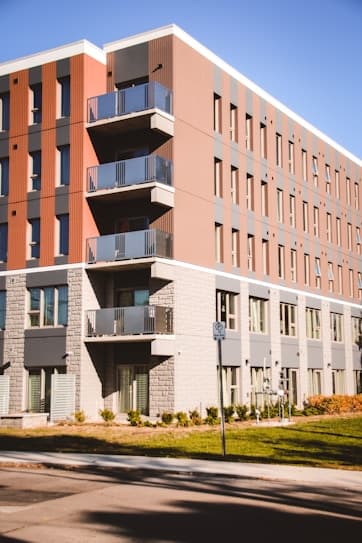
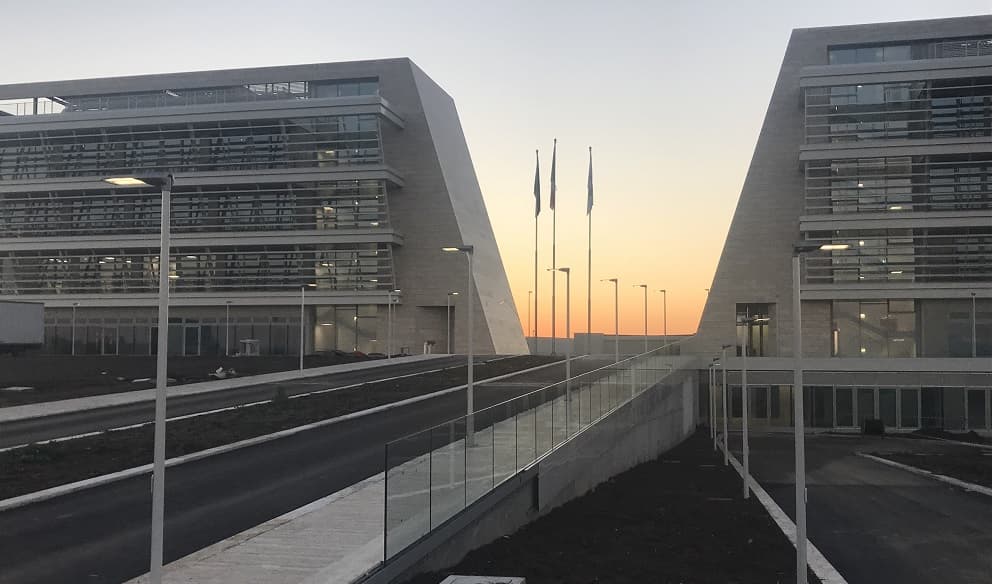
The University of Rome Tor Vergata boasts one of the few true campus-based university experiences in Italy. Spanning 600 hectares in southeastern Rome, the campus hosts academic buildings, research centres, a university hospital, sports facilities, a botanic garden, and student residences — all connected to central Rome by metro and shuttle services.
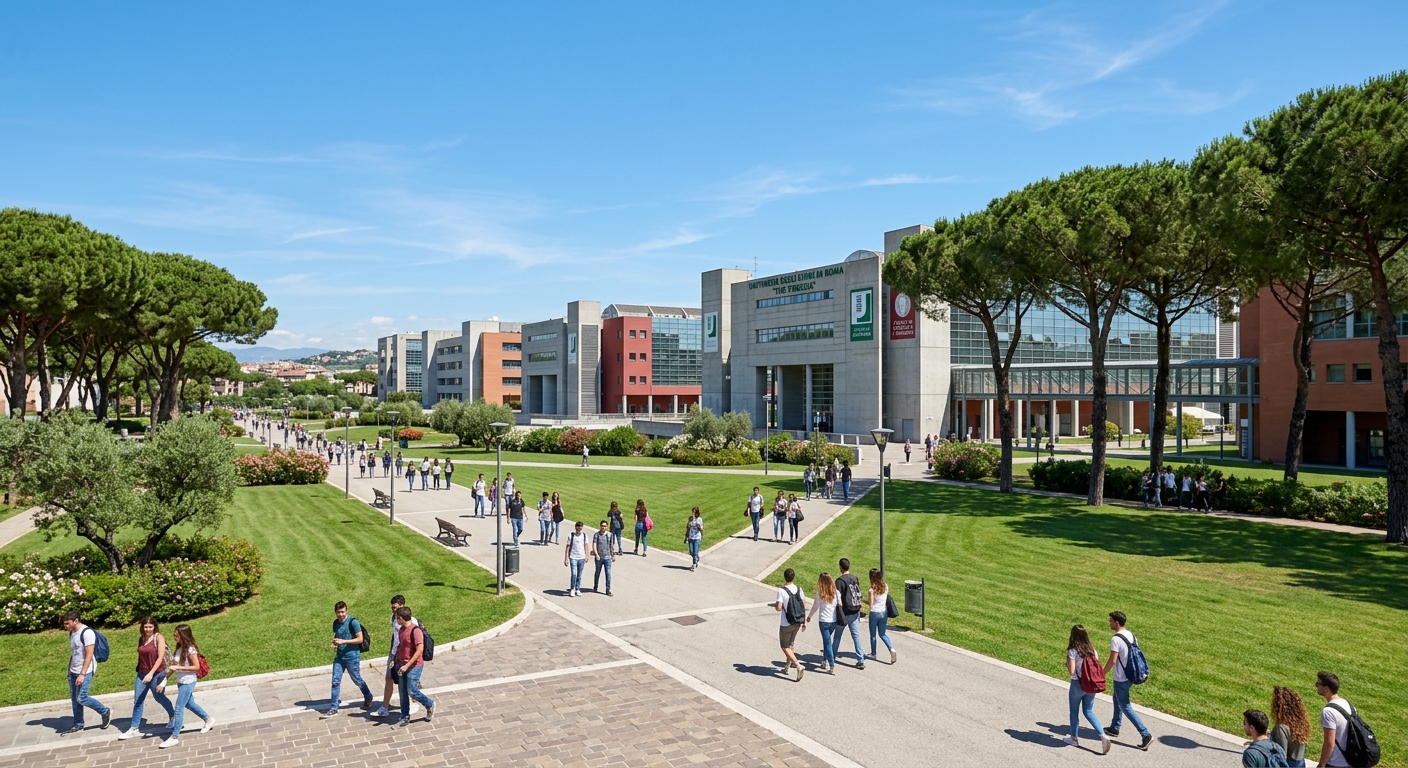
Modern lecture halls, 350 classrooms, 6 libraries, and 29 computer science laboratories spread across the 600-hectare campus.
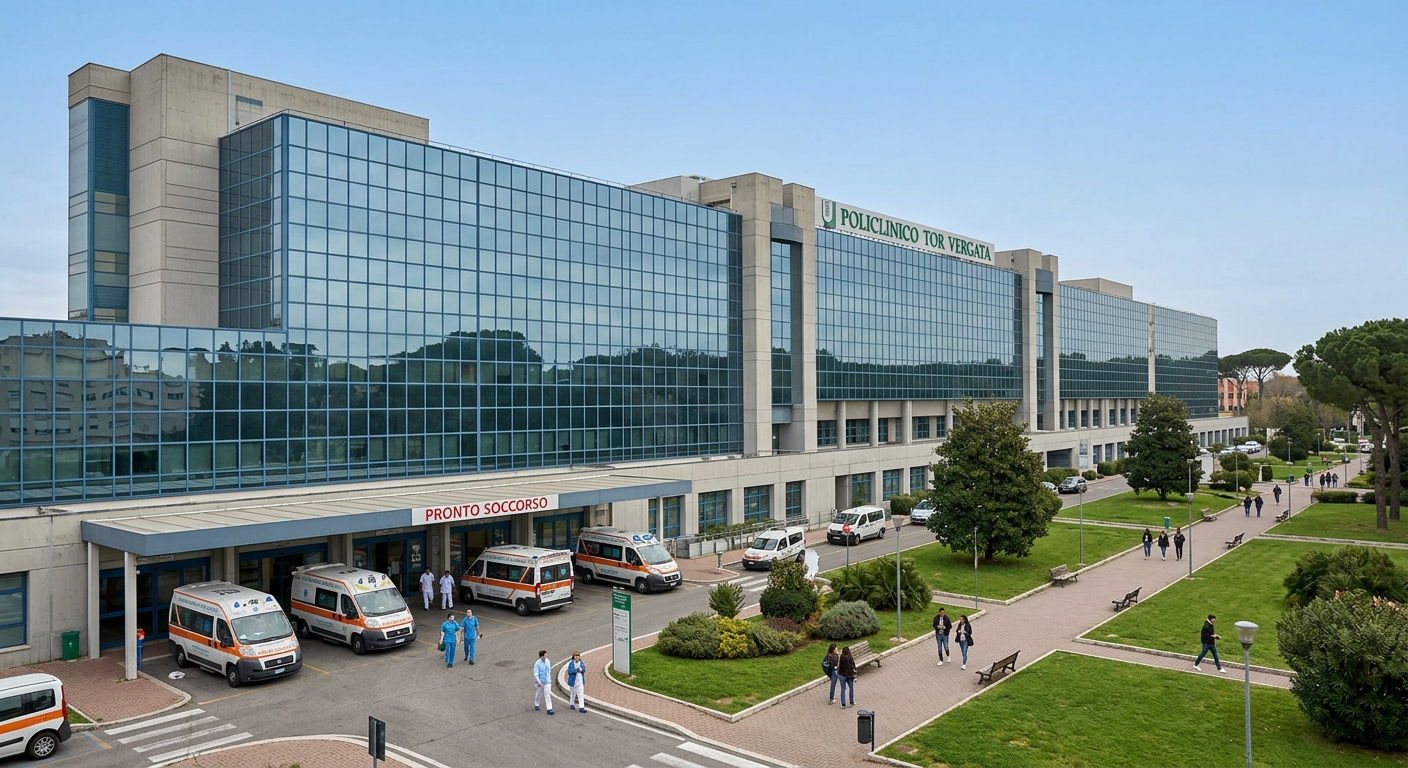
The on-campus university hospital features state-of-the-art medical equipment and serves as a clinical training hub for medical students.
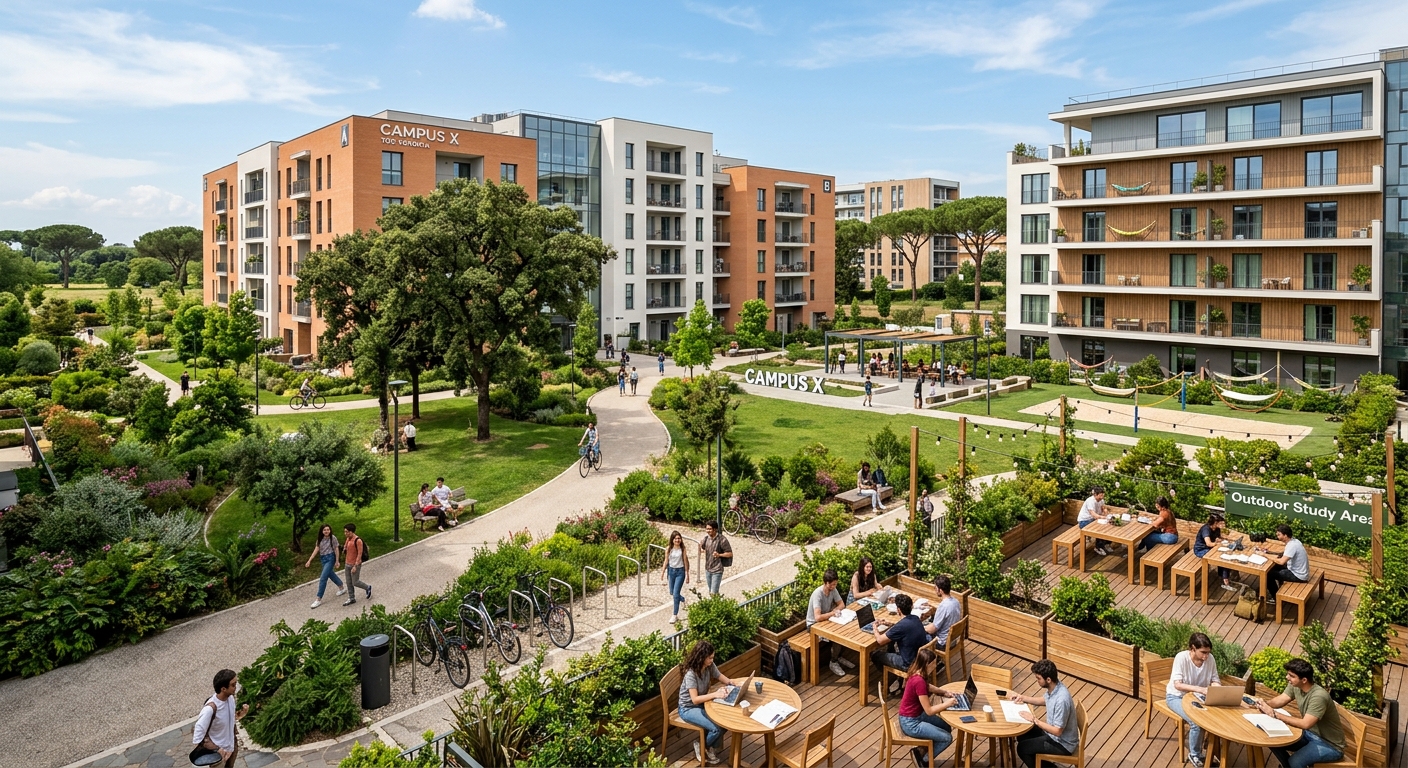
Italy's largest student accommodation facility with over 1,300 bed spaces, study rooms, a gym, restaurant, and eco-friendly solar-powered amenities.
Housing and Dining
Accommodation Options
Students can choose from Campus X on-site residences or Lazio DiSCo subsidized housing. Private rentals in nearby areas are also available with university housing office support offering 20-25% discounts.
- Campus X apartments from EUR 270/month with shuttle, gym, and services included
- Lazio DiSCo subsidized residences for eligible students
- University Welcome Office assists with off-campus housing search
Dining and Services
The campus features restaurants, cafeterias, and a market within the Campus X complex. DiSCo Lazio scholarship holders benefit from free or subsidized meal services at university canteens.
- On-campus restaurant and market at Campus X
- Subsidized canteen meals for scholarship recipients
- Free shuttle bus connecting campus, Policlinico, and Anagnina metro station
Student Life at Tor Vergata
Student Life at Tor Vergata
Campus life at Tor Vergata is vibrant and stimulating, offering students a wide range of events, services, sports activities, and cultural experiences. The university's Anglo-Saxon campus model creates a close-knit community atmosphere that is rare among Italian universities.
Life in Rome, Italy
Life in Rome, Italy
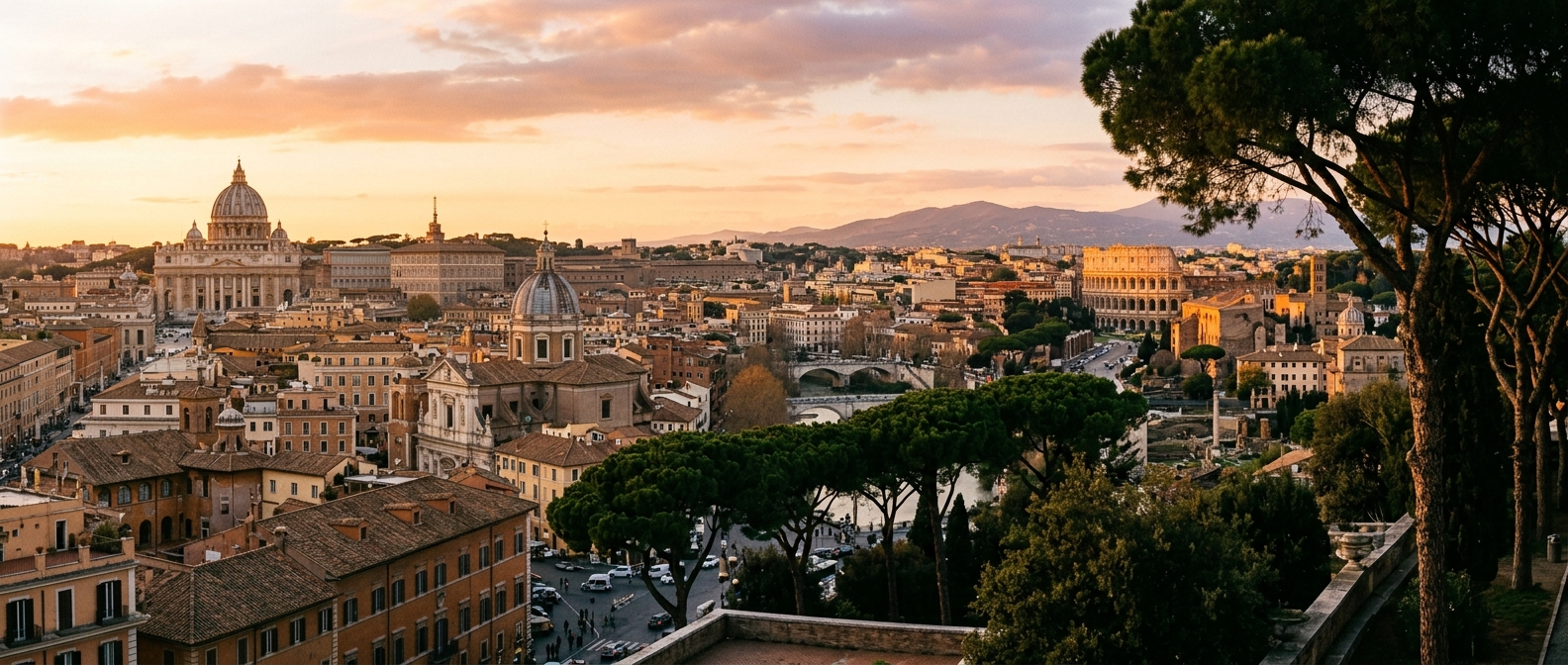
Rome: The Eternal City
With a population of over 4.2 million, Rome is Italy's largest city and its capital, offering an unparalleled blend of ancient history, art, and modern urban life. As a student, you will experience iconic landmarks like the Colosseum, Pantheon, and Sistine Chapel while enjoying affordable Mediterranean cuisine, lively piazzas, and excellent public transportation connecting you to the rest of Europe.
Rich Cultural Heritage
Rome is home to countless UNESCO World Heritage Sites, museums, galleries, and archaeological wonders that make it one of the most culturally significant cities in the world.
Affordable Student Living
Compared to other major European capitals, Rome offers relatively affordable living costs for students, with abundant options for dining, shopping, and entertainment.
Excellent Connectivity
The campus is connected to central Rome via metro (Anagnina station) and free university shuttle services. Rome's two international airports provide easy access to destinations across Europe and beyond.
Gateway to Italy and Europe
From Rome, students can easily explore other Italian cities like Florence, Naples, and Venice by high-speed train, as well as travel affordably across Europe with budget airlines.
Career Outcomes and Alumni Network
Career Outcomes and Alumni Network
Where Tor Vergata Graduates Work
Practical Information for Students
Practical Information for Students
For International Students
The Welcome Office provides comprehensive support for international students including guidance on stay permits, fiscal code requests, bank accounts, access to the Italian health system, and general information about life in Rome.
Welcome Weeks are organized each September to help incoming students settle in, navigate campus facilities, understand academic expectations, and connect with fellow students and faculty.
Italian language courses are available for international students. A B1 Italian certificate is required by the third year for Medicine students to facilitate clinical interactions with Italian patients.
Key Contacts
- +90 5435286292
- +44 7868736984
- [email protected]
- [email protected]
Worldwide University Rankings
Worldwide University Rankings
The University of Rome Tor Vergata has shown a remarkable upward trajectory in global rankings, reflecting its growing research output, international partnerships, and commitment to academic excellence. As a relatively young university founded in 1982, its rapid ascent is particularly noteworthy.
| Subject | Ranking Body | Rank |
|---|---|---|
| Physical Sciences | ARWU Shanghai Ranking | #51-75 |
| Economics and Econometrics | QS World Rankings by Subject | #101-150 |
| Physics and Astronomy | QS World Rankings by Subject | #101-150 |
| Mathematical Sciences | ARWU Shanghai Ranking | #76-100 |


Features
The University of Rome Tor Vergata cooperates both with similar national and international bodies and with public and private research institutes, promoting the internationalisation of teaching and research, investing in lifelong learning for teaching and administrative staff, pursuing the development of existing resources to be exploited in the most efficient way. This can also be done thanks to the constant evaluation of the achieved results (measured through performance indicators based on the best international practices) and the adoption of groundbreaking organisational structures and technological equipment.\n
Accommodation
Off-Campus Accommodations Students wishing to live off-campus need to research availability on their own, and should arrive well before the start of term to do so.

Work While Studying
See guidelines on working while studying here.

Co-op/Internship Participation
Even if you do NOT meet our minimum English requirement (IELTS or TOEFL), you still can get conditionally accepted in the program of your choice with the condition of completing our English program prior to starting your chosen program.
Featured Programmes


Location
Via Cracovia, 50, 00133 Roma RM, Italy

Map not found.

Uni4Edu AI Assistant