Forensic Sciences Master
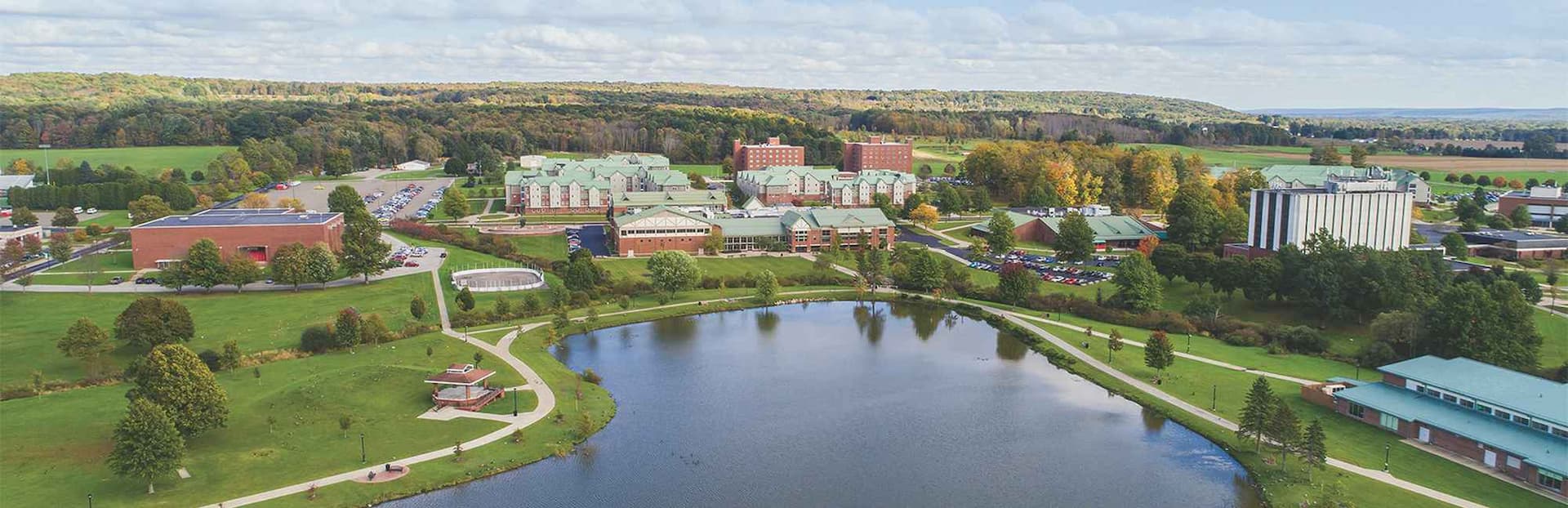
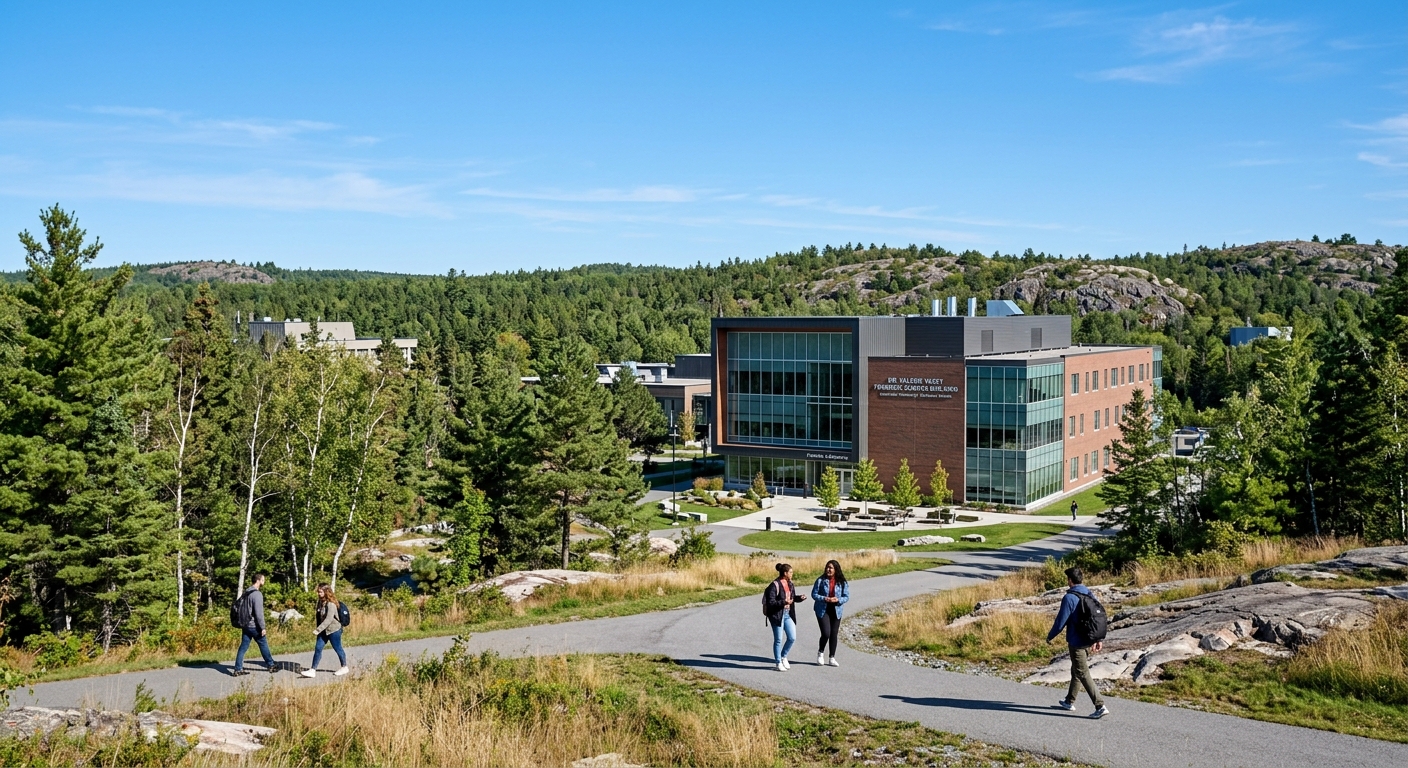
Laurentian University Campus, Canada

Master of Forensic Science (MFS)
Laurentian University
Forensic Sciences
Program Overview: Master of Forensic Science at Laurentian University
The Master of Forensic Science (MFS) at Laurentian University is one of only two such master's programs available in Canada, offering a research-intensive, accelerated pathway for forensic science graduates. Designed to advance the scientific skills of graduates from FEPAC-accredited undergraduate forensic science programs, the MFS builds expertise in areas such as DNA analysis, forensic chemistry, forensic toxicology, and laboratory operations and quality assurance.
Laurentian University's Department of Forensic Science was established in 2004 as the first independent forensic science department in Canada, with its own dedicated research labs, teaching labs, curator, professors, and adjunct professors. The program's hybrid format allows students to take courses both in-person and online, and it can be completed in as little as 12 months.
Students benefit from small class sizes and direct access to faculty who are both active practitioners and researchers in the forensic science field. With state-of-the-art facilities including a forensic teaching laboratory, crime scene apartment, Forensic Toxicology Research Laboratory, and a dedicated Scanning Electron Microscope Laboratory, this program provides an exceptional hands-on educational experience.
Key Program Highlights
- One of only two Master of Forensic Science programs in Canada, with FEPAC-accredited departmental foundations
- Accelerated 12-month completion with a hybrid in-person and online course delivery format
- Access to state-of-the-art forensic labs including DNA, osteology, toxicology, and scanning electron microscope facilities
- Small class sizes with faculty who are active forensic science practitioners and researchers
Curriculum and Modules
The MFS curriculum is structured to provide a comprehensive education in forensic science through a rigorous combination of advanced coursework and practical experience. Students build on undergraduate knowledge in forensic science, developing specialized expertise across multiple forensic disciplines.
Advanced Topics in Forensic Science
3Examines selected topics in forensic science research and practice, focusing on current issues surrounding analytical procedures and interpretative considerations for specific forms of forensic evidence.
Principles of Quality Assurance in Forensic Science
3Covers the principles and practices of quality assurance as applied in forensic laboratory settings, including calibration, method validation, measurement uncertainty, proficiency testing, and laboratory accreditation.
Advanced Forensic DNA Analysis
3Provides advanced training in DNA analysis techniques used in forensic casework, including sample processing, interpretation of complex DNA profiles, and current developments in forensic genetics.
Forensic Chemistry and Toxicology
3Explores advanced analytical methods in forensic chemistry and toxicology, including the detection and identification of drugs, poisons, and other substances in biological specimens.
Laboratory Operations and Management
3Focuses on the operational aspects of running a forensic laboratory, including evidence management, chain of custody protocols, standard operating procedures, and accreditation standards.
Research Project / Capstone
6Students undertake an original research project in their chosen forensic discipline, culminating in a written report and presentation that demonstrates advanced analytical and investigative skills.
Elective Courses
Admission Requirements
Admission to the Master of Forensic Science program is competitive. Applicants are evaluated by an Admissions Committee that reviews all applications and makes recommendations to the Dean of the School of Graduate Studies. Contact Uni4Edu for guidance on preparing a strong application.
Academic Requirements
- Undergraduate DegreeFour-year undergraduate degree or equivalent in Forensic Science required
- Minimum AverageA minimum overall average of 75% (B+) is required
- Accreditation PreferencePreference given to degrees accredited by FEPAC (Forensic Science Education Program Accreditation Commission)
- ReferencesThree reference forms from academic or professional referees are required
- Statement of InterestA Statement of Forensic Discipline Interest describing career goals and chosen specialization
English Language Requirements
- TOEFL iBTMinimum overall score of 88
- IELTS AcademicMinimum overall score of 6.5, with no band lower than 6.0
- CAELMinimum overall score of 70, with no part below 60
Required Documents
Application Deadlines
For personalized admission guidance, document verification, and application support, please contact Uni4Edu
Scholarships and Funding
Laurentian University offers several funding opportunities for graduate students, including merit-based scholarships, teaching assistantships, and external awards. Contact Uni4Edu for personalized guidance on available funding options for your application.
Graduate Teaching Assistantship (GTA)
Approximately CAD 10,034 per year (for M.Sc. students)Available to qualified full-time international and domestic graduate students who meet the minimum academic average. The award is designated partially as employment and partially as a fellowship.
For detailed tuition fee information, please contact Uni4Edu — we will guide you through the costs and available funding options for this program.
Career Prospects for Forensic Science Graduates
Graduates of the Master of Forensic Science program are well-prepared for advanced roles across the forensic science field. The program's combination of rigorous coursework, hands-on laboratory experience, and research training opens doors to diverse career paths in both the public and private sectors.
Potential Career Roles
Typical Employers
Rankings and Recognition
Laurentian University is a publicly funded bilingual institution located in Greater Sudbury, Ontario, recognized for its specialized programs and research contributions. Its Department of Forensic Science holds the distinction of being the first in Canada to receive full FEPAC accreditation for undergraduate forensic science degrees.
| Subject | Ranking Body | Rank |
|---|---|---|
| Mining and Mineral Engineering | EduRank | #51 in Canada |
| Chemistry | EduRank | #36 in Canada |
| Biology | EduRank | #35 in Canada |
| Environmental Science | EduRank | #37 in Canada |
How to Apply
Applying for this program is easy with Uni4Edu. Our team will guide you through every step of the process — from document preparation to final enrolment.
Contact Uni4Edu
Reach out to our team via email or phone. We will assess your profile and confirm your eligibility for this program.
Prepare Your Documents
Our advisors will provide you with a personalised checklist of required documents and help you prepare your application package.
Submit Your Application
Uni4Edu will submit your application on your behalf and keep you updated on its progress throughout the review period.
Receive Your Offer
Once accepted, we will help you understand your offer, arrange visa support if needed, and guide you through the enrolment process.
Similar Programmes


Master's & Postgraduate
24 months
Immersive Spaces MA

Istituto Europeo di Design (IED), Rome, Italy
Earliest Intake
June 2026
Gross Tuition
17300 €


Master's & Postgraduate
12 months
Energy Transition Systems and Technologies (MSc)
University of Aberdeen, Aberdeen, United Kingdom
Earliest Intake
January 2027
Gross Tuition
26250 £


Bachelor's Degree
36 months
Materials Science
University of Florence, Florence, Italy
Earliest Intake
December 2026
Gross Tuition
3000 €


Master's & Postgraduate
24 months
Migrations, Rights, Intergration Master
University of Palermo, Palermo, Italy
Earliest Intake
March 2026
Gross Tuition
356 €


Bachelor's Degree
48 months
Language and Speach Therapy
Ankara Medipol University, Altındağ, Turkey
Earliest Intake
January 2026
Gross Tuition
4080 $



Uni4Edu AI Assistant