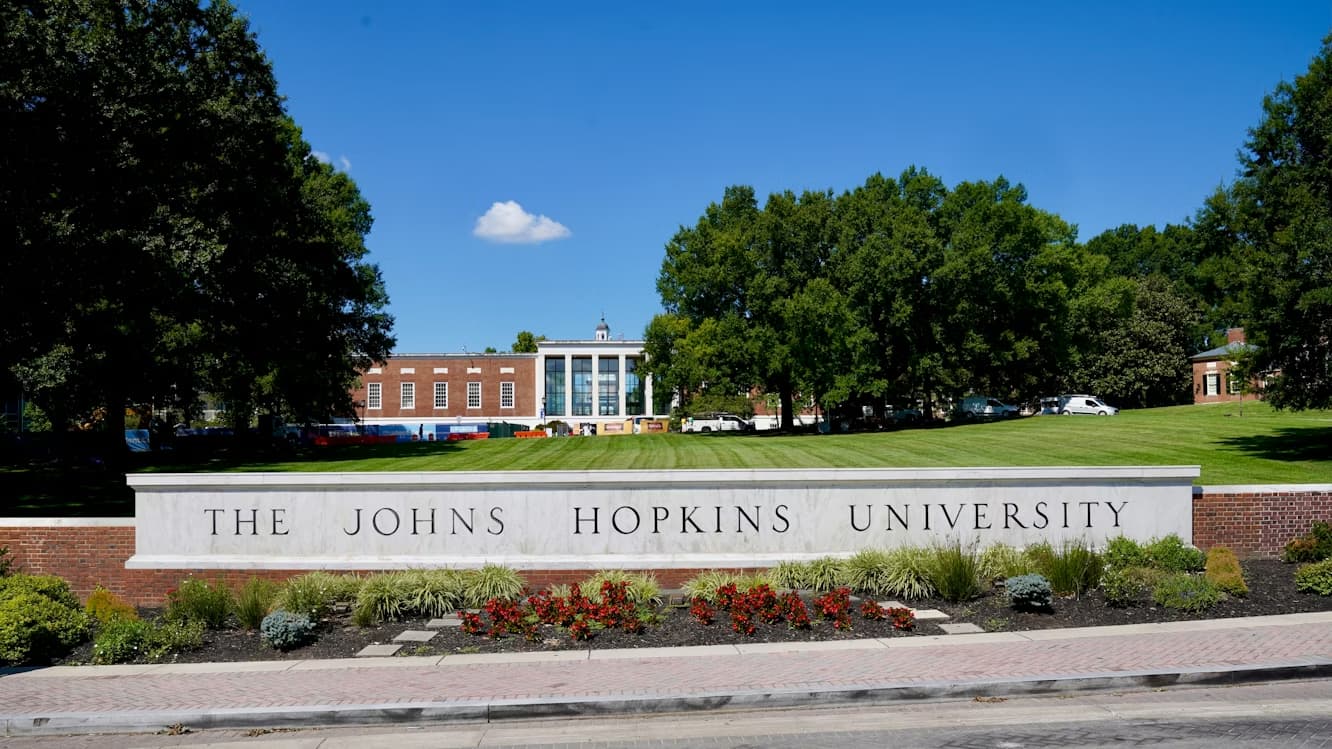
Johns Hopkins University
Baltimore, United States
Johns Hopkins University
Baltimore, United States
Founded
1876
Institution Type
Private Research University
Total Students
30,000+
Acceptance Rate
6.4%
Discover Johns Hopkins University: America's First Research University
Discover Johns Hopkins University: America's First Research University
Founded in 1876, Johns Hopkins University is widely recognized as the first research university in the United States. Named after its founding benefactor, the Baltimore philanthropist and entrepreneur Johns Hopkins, the university was established with a then-record USD 7 million bequest to integrate advanced teaching with groundbreaking research, inspired by the European university model.
Today, Johns Hopkins is organized into ten academic divisions spread across campuses in Maryland and Washington, D.C., with international centers in Italy, China, and Singapore. Each year since 1979, Johns Hopkins has been the leading recipient of federal research funding in the United States, fueling discoveries in medicine, public health, engineering, and the sciences.
With more than 260 programs spanning the arts, humanities, social and natural sciences, engineering, international studies, education, business, and health professions, Johns Hopkins enrolls over 24,000 full- and part-time students. The university's faculty, researchers, and alumni include numerous Nobel laureates and have pioneered innovations ranging from CPR and water purification to asteroid deflection techniques.
Key Milestones
- 1876: Johns Hopkins University opens under President Daniel Coit Gilman, becoming the first U.S. research university.
- 1889: Johns Hopkins Hospital opens in East Baltimore, launching a new era of academic medicine.
- 1916: The university founds the nation's first school of public health, now the Bloomberg School of Public Health.
- 2018: Alumnus Michael Bloomberg donates USD 1.8 billion to support undergraduate financial aid, enabling need-blind admissions.
Academic Divisions and Programs at Johns Hopkins
Academic Divisions and Programs at Johns Hopkins
Johns Hopkins University is home to ten academic divisions, each offering rigorous programs that blend classroom instruction with hands-on research. With over 60 undergraduate majors and more than 200 graduate programs, students benefit from a 6:1 student-faculty ratio and unparalleled access to research opportunities across disciplines.
Krieger School of Arts and Sciences
The core undergraduate and graduate school of the university, offering programs across the humanities, social sciences, and natural sciences with strong emphasis on research.
- Public Health Studies
- Neuroscience
- International Studies
Whiting School of Engineering
Renowned for its biomedical engineering program ranked No. 1 nationally, the Whiting School offers cutting-edge programs in engineering, computer science, and applied mathematics.
- Biomedical Engineering
- Computer Science
- Electrical and Computer Engineering
Bloomberg School of Public Health
The nation's oldest and largest school of public health, ranked No. 1 since the U.S. News rankings began in 1994, with research and practice in over 100 countries.
- Epidemiology
- Biostatistics
- Health Policy and Management
School of Medicine
One of the most prestigious medical schools in the world, the School of Medicine has been at the forefront of clinical innovation and biomedical research since 1893.
- Doctor of Medicine (MD)
- Biomedical Sciences PhD
- Genetic Counseling
Paul H. Nitze School of Advanced International Studies (SAIS)
Located in Washington, D.C., SAIS offers graduate programs in international relations, economics, and area studies, preparing leaders for global careers in diplomacy and policy.
- International Economics and Finance
- Strategic Studies
- Global Risk
Peabody Institute
Founded in 1857 and affiliated with Johns Hopkins since 1977, the Peabody Institute is one of America's leading conservatories for music performance, composition, and education.
- Music Performance
- Music Composition
- Recording Arts and Sciences
Admission Requirements for Johns Hopkins University
Admission Requirements for Johns Hopkins University
Undergraduate Admissions
- Application PlatformCommon Application or Coalition Application
- Standardized TestsSAT or ACT required (starting Fall 2026 cycle)
- RecommendationsTwo teacher recommendations and one counselor report
- English ProficiencyTOEFL or IELTS required for non-native English speakers
- Application FeeUSD 70 (fee waiver available for eligible students)
Graduate Admissions
- Degree RequirementBachelor's degree from an accredited institution
- Standardized TestsGRE/GMAT required for many programs (varies by school)
- TranscriptsOfficial transcripts from all post-secondary institutions
- RecommendationsTypically 2-3 letters of recommendation
- English ProficiencyTOEFL, IELTS, or equivalent for international applicants
Binding early decision for students who consider Johns Hopkins their top choice. Notification by mid-December.
Second binding early decision round for students who finalize their preference later. Notification by mid-February.
Standard application deadline for undergraduate applicants. Admission decisions released by late March or early April.
Deadlines differ by school and program. Most fall programs have deadlines between December and February. Check each division's website.
Tuition, Fees, and Scholarship Opportunities
Tuition, Fees, and Scholarship Opportunities
As a private university, Johns Hopkins charges the same tuition for all students regardless of state residency. The university is committed to meeting 100% of demonstrated financial need for admitted undergraduates, and generous scholarship programs help make a Hopkins education accessible.
| Cost Category | Undergraduate (2025-2026) | Notes |
|---|---|---|
| Tuition | USD 66,670 | Same for all students |
| Housing | USD 12,450 | On-campus estimate |
| Meals & Dining | USD 7,210 | Standard meal plan estimate |
| Books & Personal Expenses | USD 5,500 | Estimated annual costs |
| Total | ~USD 91,830 | Same for all students |
Bloomberg Scholars Program
Made possible by Michael Bloomberg's historic USD 1.8 billion gift, Johns Hopkins is a loan-free institution for undergraduates. The university meets 100% of demonstrated financial need with grants and scholarships rather than loans.
- Eligibility: All admitted undergraduates with demonstrated need
- Average Aid Package: Approximately USD 58,000 per year
- Coverage: 100% of demonstrated financial need
Merit and Departmental Scholarships
Johns Hopkins offers a range of merit-based scholarships and departmental awards recognizing exceptional academic achievement, leadership, and talent across various disciplines.
- Eligibility: Varies by scholarship; some require separate applications
- Award Range: Contact the university for current data
- Renewal: Typically renewable for four years with satisfactory academic progress
Campus and Facilities at Johns Hopkins
Campus and Facilities at Johns Hopkins
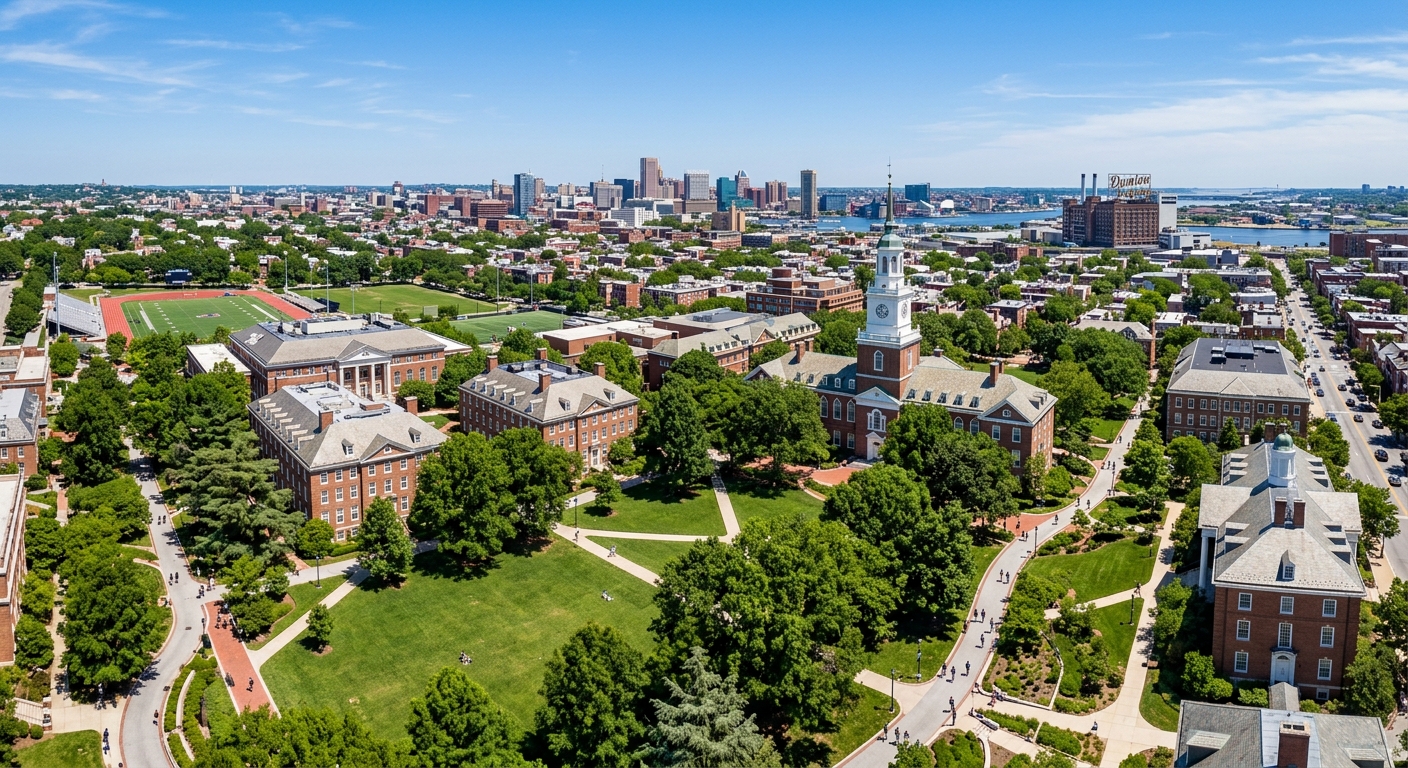
Johns Hopkins University's main Homewood campus spans 140 acres in North Baltimore, featuring red-brick Federal-style architecture inspired by the historic 1801 Homewood House. The university also operates major facilities in East Baltimore, Washington D.C., and international locations in Italy, China, and Singapore.
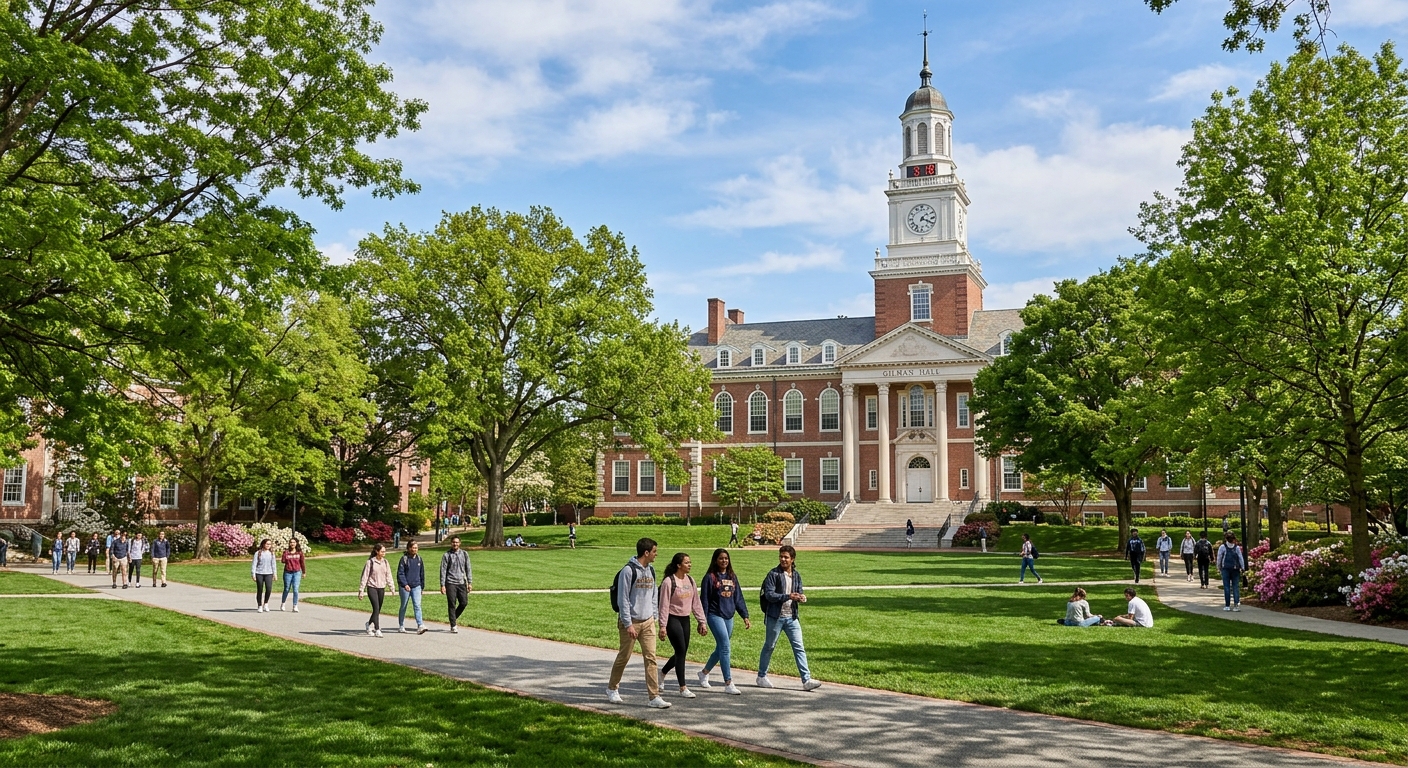
The historic heart of the Homewood campus, Gilman Hall houses classrooms and faculty offices beneath its iconic clock tower.
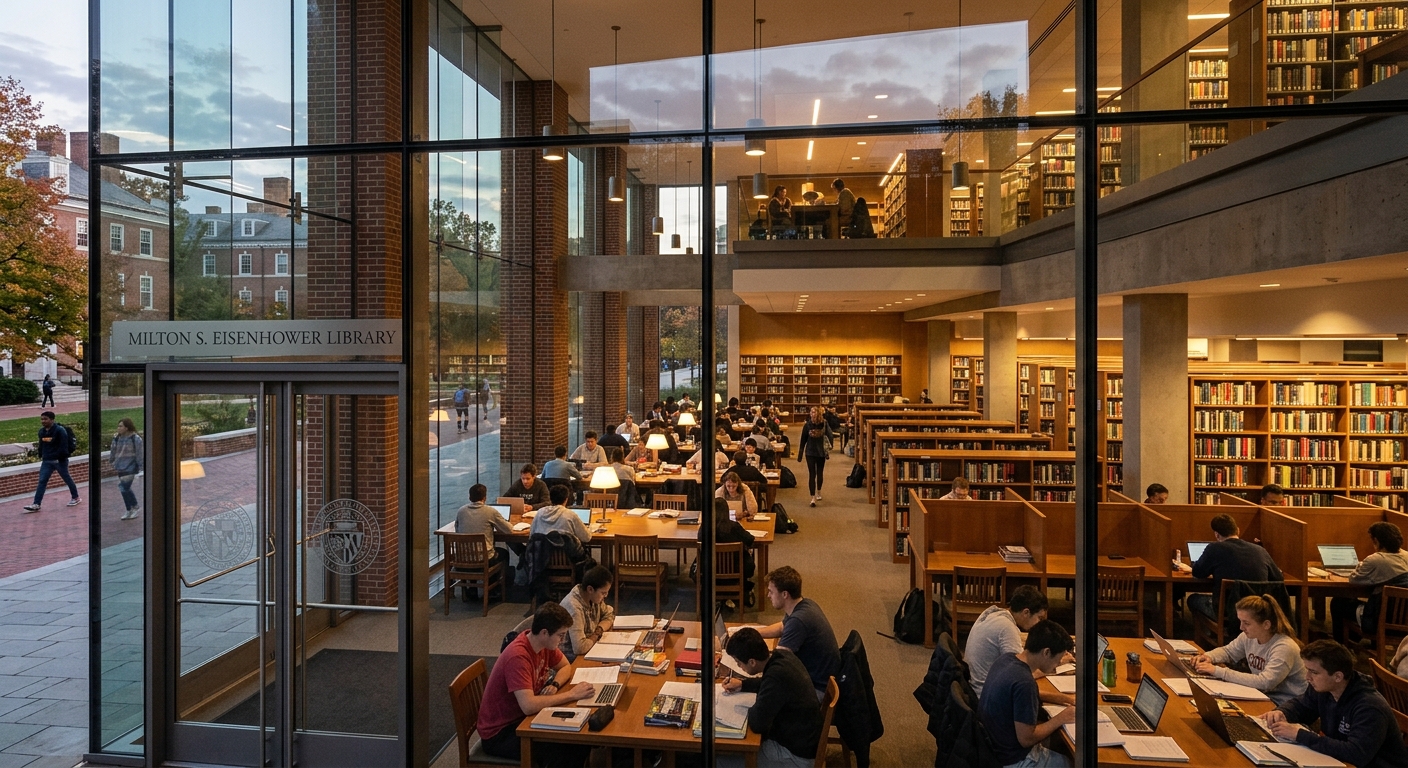
The university's main research library, housing millions of volumes and providing state-of-the-art study and collaboration spaces.
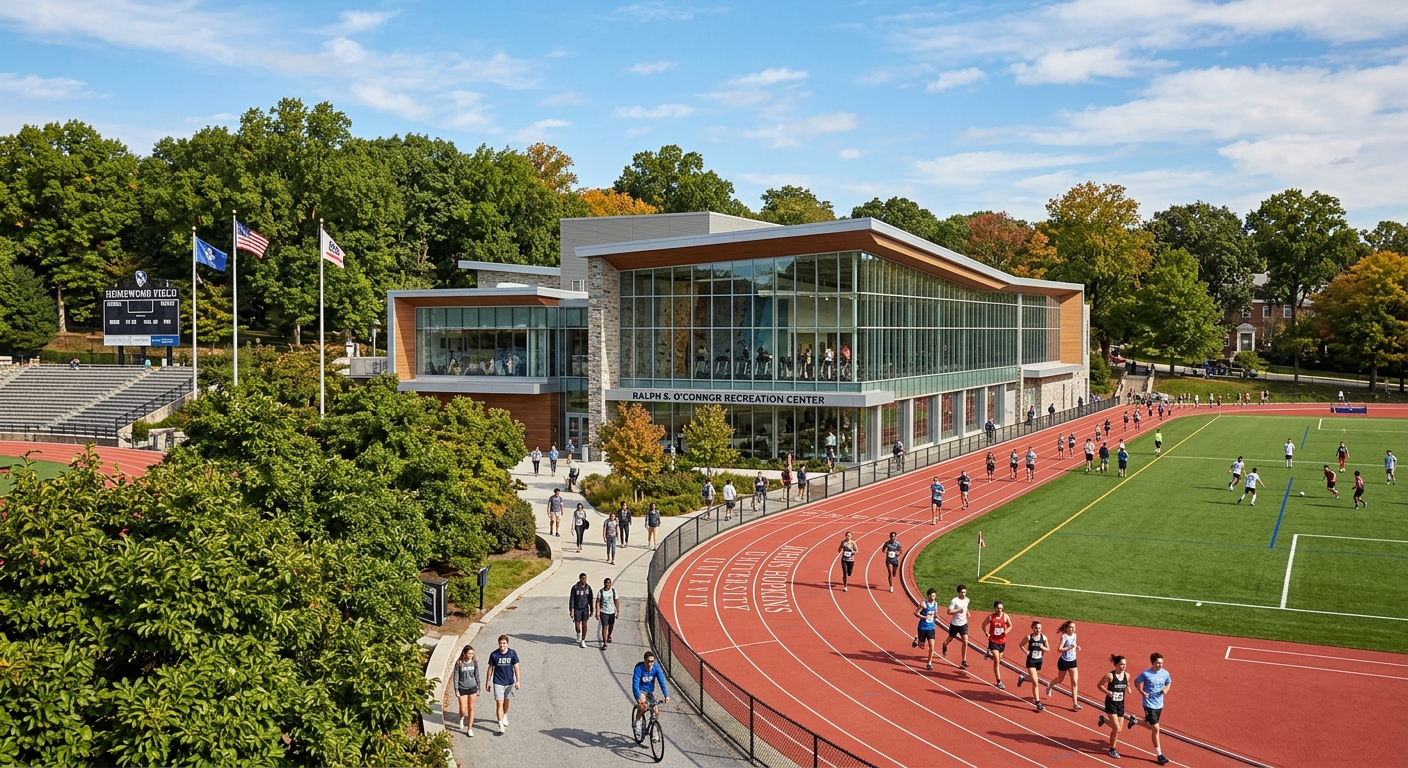
A modern fitness and recreation facility offering pools, courts, fitness equipment, and group exercise spaces for all students.
Housing & Dining
On-Campus Housing
First-year students are required to live on campus, with a range of residence halls offering traditional doubles, suite-style rooms, and apartment living options for upperclassmen.
- Traditional double and single rooms in freshman residence halls
- Suite-style and apartment housing for upperclassmen
- Living-learning communities focused on shared academic interests
Dining Options
Johns Hopkins offers multiple dining halls and cafes across campus, with flexible meal plans designed to accommodate a variety of dietary preferences and schedules.
- Fresh Food Cafe — main all-you-can-eat dining hall
- Charles Street Market and various campus cafes
- Kosher, halal, vegetarian, and allergen-friendly options available
Student Life at Johns Hopkins University
Student Life at Johns Hopkins University
Life at Johns Hopkins extends well beyond the classroom, with more than 400 student-run organizations, a vibrant arts scene at the Peabody Institute, and a strong tradition of undergraduate research. Over 90% of undergraduates participate in at least one research experience during their time at Hopkins.
Baltimore: A City of Culture, Innovation, and Opportunity
Baltimore: A City of Culture, Innovation, and Opportunity

Living in Baltimore
Baltimore is a vibrant mid-Atlantic city known for its rich history, thriving arts scene, renowned seafood, and diverse neighborhoods. As the largest city in Maryland, it offers students an urban environment with a lower cost of living compared to nearby Washington, D.C., which is just an hour away by train.
Proximity to Washington, D.C.
Baltimore is roughly 40 miles from the nation's capital, giving students easy access to internships, policy institutions, museums, and cultural events via the MARC commuter rail or Amtrak.
Cultural Attractions
From the Baltimore Museum of Art and the Walters Art Museum to the National Aquarium and historic Fort McHenry, the city offers a wealth of cultural and historical experiences.
Food & Neighborhoods
Baltimore is famous for its Chesapeake Bay blue crabs and features diverse neighborhoods like Fells Point, Hampden, and Federal Hill, each with unique dining, shopping, and nightlife.
Healthcare & Research Hub
Home to Johns Hopkins Hospital and numerous biotech firms, Baltimore is a major hub for healthcare, life sciences research, and biomedical innovation.
Career Outcomes and Distinguished Alumni
Career Outcomes and Distinguished Alumni
Top Employers of Johns Hopkins Graduates
Practical Information for Prospective Students
Practical Information for Prospective Students
For International Students
OIS provides comprehensive support for international students, including visa guidance for F-1 and J-1 status, orientation programs, and cultural adjustment resources.
International applicants whose first language is not English must demonstrate proficiency through TOEFL, IELTS, or equivalent exams. Pre-arrival English support resources are available.
Johns Hopkins is need-aware for international undergraduate applicants but meets 100% of demonstrated need for admitted international students. Graduate funding varies by program.
Key Contacts
- +90 5435286292
- +44 7868736984
- corporate@uni4edu.com
- info@uni4edu.com
Johns Hopkins University: Worldwide Rankings
Johns Hopkins University: Worldwide Rankings
Johns Hopkins University consistently ranks among the top universities globally, recognized for its research output, academic excellence, and innovation. The university has claimed a top-10 national position each year since 2019 in U.S. News & World Report and maintains strong placements across all major international ranking systems.
| Subject | Ranking Body | Rank |
|---|---|---|
| Public Health | U.S. News & World Report | #1 |
| Biomedical Engineering | U.S. News & World Report | #1 (tie) |
| Medical & Health Education | Times Higher Education | #5 |
| Nursing | U.S. News & World Report | #1 |


Features
Top-ranked private research university.\n\nOffers over 260 programs across undergraduate, master’s, and doctoral levels.\n\nEmphasizes interdisciplinary learning, allowing students to combine majors and minors across departments
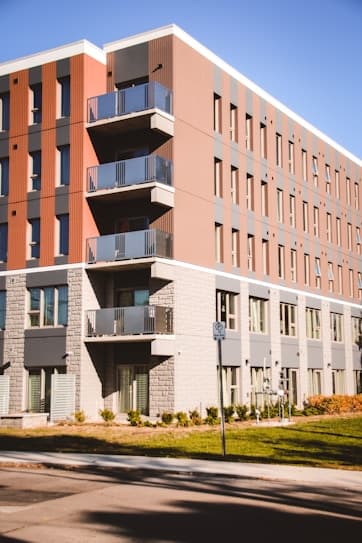
Accommodation
Off-Campus Accommodations Students wishing to live off-campus need to research availability on their own, and should arrive well before the start of term to do so.

Work While Studying
See guidelines on working while studying here.

Co-op/Internship Participation
Even if you do NOT meet our minimum English requirement (IELTS or TOEFL), you still can get conditionally accepted in the program of your choice with the condition of completing our English program prior to starting your chosen program.
Featured Programmes




Average Time To Receive Acceptance Letter
November - January
Location
Johns Hopkins University\n3400 N. Charles Street\nBaltimore, MD 21218\nUnited States

Uni4Edu AI Assistant