Mechanical Engineering (S.B.)
Harvard University, United States

Bachelor of Science (S.B.) in Mechanical Engineering
Harvard University
Mechanical Engineering
Program Overview: S.B. in Mechanical Engineering at Harvard
The Bachelor of Science (S.B.) in Mechanical Engineering at Harvard University is offered through the Harvard John A. Paulson School of Engineering and Applied Sciences (SEAS). This ABET-accredited program uses the principles of physics and materials science for the analysis and design of mechanical and thermal systems, preparing graduates to address current and future societal challenges through the application of engineering principles.
The S.B. program provides a broader basis in engineering fundamentals with courses from other engineering areas and design, distinguishing it from the A.B. track. Students cover a wide range of subtopics including mechatronics and robotics, structural analysis, thermodynamics, finite element methods, MEMS, and biological and nanotechnology applications.
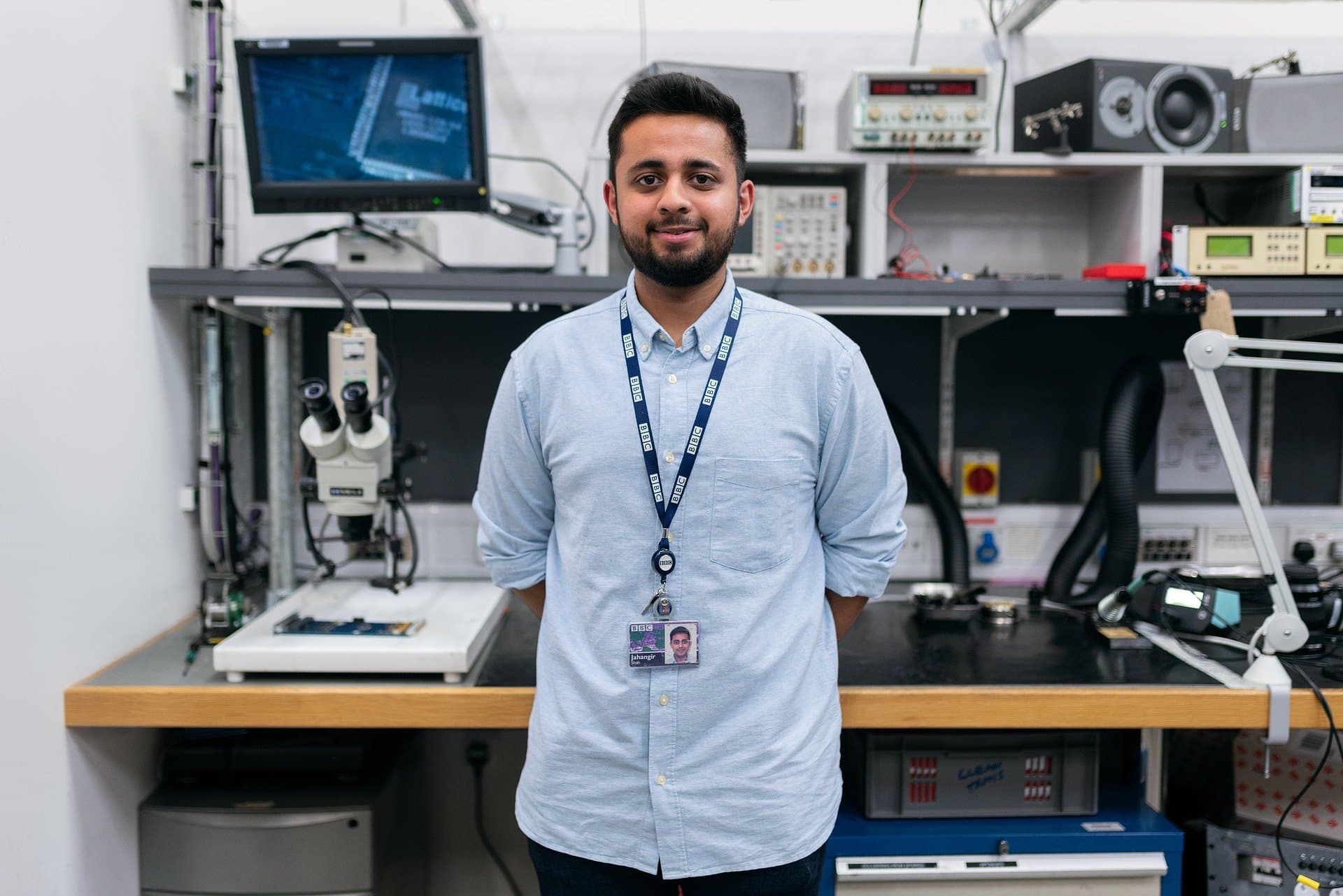
Students are encouraged to engage in cutting-edge research early in their studies, with opportunities in areas such as robotics, materials design, and biomechanics. The program benefits from Harvard SEAS's state-of-the-art Active Learning Labs, which equip students with essential hands-on skills across mechanical, electrical, computational, and design disciplines.
Key Program Highlights
- ABET-accredited program ensuring rigorous engineering education standards and global credential recognition
- Access to state-of-the-art Active Learning Labs for hands-on engineering experience across multiple disciplines
- Early research opportunities in robotics, materials design, biomechanics, and nanotechnology with renowned faculty
- Strongly interdisciplinary research connections to Applied Mathematics, Applied Physics, Earth and Planetary Sciences, and Chemistry
Curriculum & Modules
The S.B. Program in Mechanical Engineering requires at least 20 half-courses: 4 in mathematics, 4 in basic sciences, and 12 in engineering topics. Students work with concentration advisers to construct an individual degree program that matches their specific interests within mechanical engineering while fulfilling all concentration requirements.
Mathematics Foundation
4 half-coursesCovers the calculus and linear algebra sequence including Math 21a and 21b, with S.B. students taking additional advanced mathematics courses beyond the foundational series.
Basic Sciences
4 half-coursesFoundational coursework in physics and chemistry providing the scientific principles underlying mechanical engineering analysis and design.
Engineering Sciences Core (ES 51 and ES 120)
2 half-coursesIntroductory engineering sciences courses that form the backbone of the mechanical engineering concentration, typically completed by sophomore spring.
Solid and Fluid Mechanics
2 half-coursesStudy of structural analysis, material behavior, and fluid dynamics, including finite element methods for analyzing mechanical systems.
Thermodynamics and Energy Systems
2 half-coursesPrinciples of thermodynamics and their application to energy systems, thermal management, and engineering design challenges in transportation and manufacturing.
Senior Capstone Design Project
2 half-coursesA culminating design experience requiring creative synthesis and analysis to fulfill specified engineering needs, evaluated for honors consideration based on project quality.
Elective Focus Areas
Admission Requirements
Admission to the S.B. in Mechanical Engineering at Harvard is highly competitive. Students declare their concentration during sophomore fall after being admitted to Harvard College. International applicants should contact Uni4Edu for personalized guidance on the application process and requirements.
Academic Requirements
- Secondary EducationCompletion of a rigorous secondary school curriculum with strong preparation in mathematics and sciences
- Standardized TestsSAT or ACT scores may be submitted; contact Uni4Edu for current testing policies
- GPAHighly competitive academic record expected; contact Uni4Edu for current data
- Recommended PreparationAdvanced coursework in calculus, physics, and chemistry strongly recommended
- Programming SkillsFamiliarity with MATLAB and Python is beneficial; introductory computer science courses like CS 50 are recommended
English Language Requirements
- TOEFLContact Uni4Edu for minimum score requirements
- IELTSContact Uni4Edu for minimum score requirements
- Duolingo English TestContact Uni4Edu for minimum score requirements
Required Documents
Application Deadlines
For personalized admission guidance, document verification, and application support, please contact Uni4Edu
Scholarships & Funding
Harvard is committed to affordability, with need-based financial aid available to all admitted students regardless of nationality or citizenship. Twenty-four percent of Harvard students pay nothing to attend, and more than half receive need-based scholarships. Harvard's need-blind admissions policy ensures that applying for financial aid has no impact on your admissions decision.
Harvard College Financial Aid Program
Up to 100% of demonstrated financial needHarvard's flagship need-based aid program covers the full cost of tuition and beyond for eligible students. Families earning below certain income thresholds may pay nothing, with aid also available to families earning above USD 200,000 depending on individual circumstances. International students receive aid on the same basis as domestic students.
Harvard Student Employment (Work-Study)
Approximately USD 3,500 per yearStudents may meet term-time work expectations by working 10 to 12 hours per week on campus. This component is part of the overall financial aid package and helps cover personal expenses during the academic year.
SEAS Research Funding and Undergraduate Grants
Varies by projectHarvard undergraduates share approximately USD 6 million annually in research funding coordinated by the Office of Undergraduate Research and Fellowships. Engineering students can access funding for summer research, senior thesis projects, and collaborative faculty-led initiatives.
For detailed tuition fee information, please contact Uni4Edu — we will guide you through the costs and available funding options for this program.
Career Prospects
Graduates of the S.B. in Mechanical Engineering from Harvard are prepared for success in a diverse range of careers. The program's strong technical focus, combined with the breadth of a Harvard education, equips graduates for engineering roles requiring in-depth technical expertise, as well as leadership positions in industry, government, entrepreneurship, and advanced graduate study.
Potential Career Roles
Industries and Employers Hiring Graduates
Rankings & Recognition
Harvard University consistently ranks among the top universities in the world across all major ranking systems. Its engineering programs benefit from the university's exceptional research output, global reputation among employers and academics, and strong interdisciplinary connections across the sciences and humanities.
| Subject | Ranking Body | Rank |
|---|---|---|
| Engineering & Technology | QS World University Rankings | #9 |
| Engineering | THE World University Rankings | #1 |
| Natural Sciences | QS World University Rankings | #1 |
| Academic Performance (Overall) | URAP | #1 |
How to Apply
Applying for this program is easy with Uni4Edu. Our team will guide you through every step of the process — from document preparation to final enrolment.
Contact Uni4Edu
Reach out to our team via email or phone. We will assess your profile and confirm your eligibility for this program.
Prepare Your Documents
Our advisors will provide you with a personalised checklist of required documents and help you prepare your application package.
Submit Your Application
Uni4Edu will submit your application on your behalf and keep you updated on its progress throughout the review period.
Receive Your Offer
Once accepted, we will help you understand your offer, arrange visa support if needed, and guide you through the enrolment process.
Similar Programmes

Bachelor's Degree
48 months
Mechanical Engineering BEng (Hons)

University of Bradford, Bradford, United Kingdom
Earliest Intake
June 2025
Gross Tuition
24456 £
Master's & Postgraduate
12 months
Advanced Mechanical Engineering MSc
University of Bradford, Bradford, United Kingdom
Earliest Intake
August 2025
Gross Tuition
24180 £


Bachelor's Degree
48 months
Mechanical Engineering
Altinbas University, Bağcılar, Turkey
Earliest Intake
February 2026
Gross Tuition
6000 $

Master's & Postgraduate
24 months
Mechanical Engineering - Masters (With Thesis)
Altinbas University, Bağcılar, Turkey
Earliest Intake
March 2026
Gross Tuition
6900 $


Master's & Postgraduate
60 months
Mechanical Engineering MEng
University of the West of Scotland, Paisley, United Kingdom
Earliest Intake
January 2026
Gross Tuition
18900 £



Uni4Edu AI Assistant