
Electrical Engineering (S.B.)
Harvard University, United States

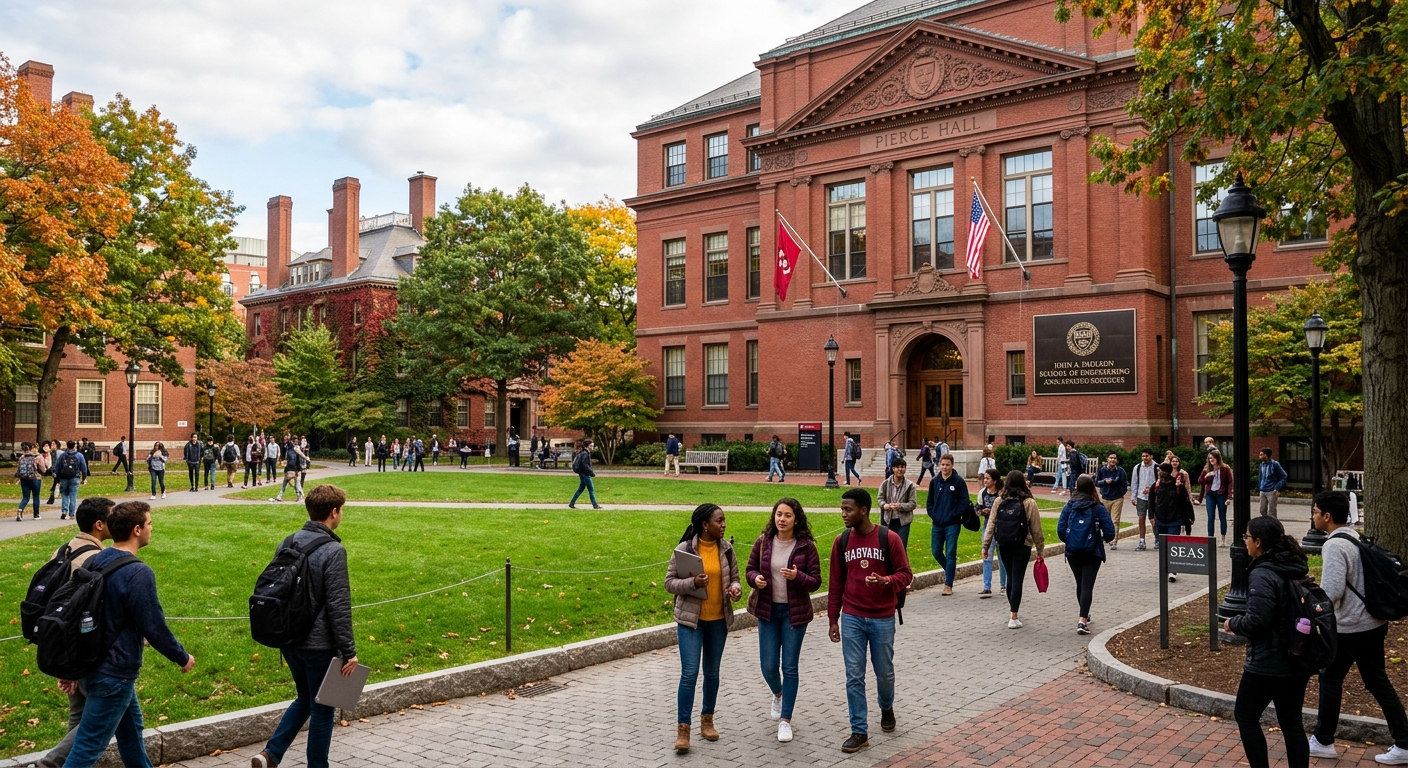
Electrical Engineering (S.B.)
Harvard University
Electrical Engineering
Program Overview: Electrical Engineering (S.B.) at Harvard
The Electrical Engineering S.B. program at Harvard University is offered through the Harvard John A. Paulson School of Engineering and Applied Sciences (SEAS). It emphasizes both depth and breadth within the sub-disciplines of electrical engineering, preparing graduates to address current and future societal challenges through the application of engineering principles combined with knowledge from the sciences, arts, and humanities.
All students specialize in electronic circuits and devices while exploring signals and systems theory, control systems, robotics, optoelectronic devices, integrated circuits, energy systems, computer vision, electronic materials, and computer software and hardware. Through this coursework, students gain hands-on experience in the engineering design process, combining creative synthesis with rigorous analysis.
The S.B. degree is ABET-accredited for professional licensure and requires 20 half-courses, including an individual capstone design project (ES100) that serves as a required thesis. Over half of electrical engineering undergraduate students conduct research in faculty-sponsored labs, engage in semester-long research projects, or participate in summer internships, ensuring a deeply immersive academic experience.
Key Program Highlights
- ABET-accredited program with a required capstone design project (ES100) for professional licensure preparation
- Hands-on learning in Harvard's Active Learning Labs with access to cutting-edge research in quantum devices, smart grids, and machine learning hardware
- Over half of undergraduate EE students conduct research in faculty-sponsored labs or engage in internship programs
- Broad interdisciplinary curriculum spanning power systems, nanoelectronics, robotics, signal processing, and next-generation communications
Curriculum and Modules
The S.B. program in Electrical Engineering requires at least 20 half-courses distributed across mathematics, basic sciences, and engineering topics. Students build a strong foundation in math and physics during their first two years, then advance into specialized electrical engineering coursework. The curriculum is individually tailored with concentration advisers to match each student's specific interests within EE.
Introduction to Electrical Engineering (ES 50)
4 CreditsA survey course introducing fundamental electrical concepts including charge, voltage, current, energy, power, resistance, capacitance, inductance, and Kirchhoff's laws, along with practical digital and analog electronic systems.
Circuits, Devices, and Transduction (ES 152)
4 CreditsA core course that marries theory and practice, teaching students to mathematically model analog devices and circuits, analyze them to predict behavior, and design them with emphasis on hands-on lab implementation.
Signals and Systems (ES 155)
4 CreditsCovers the mathematical foundations of signal processing, linear systems analysis, Fourier transforms, and filtering, providing essential tools for communications, control, and computing applications.
Mathematics for Engineering (Math 1b, 21a, 21b)
12 Credits (3 courses)A sequence of mathematics courses covering calculus, linear algebra, and differential equations that form the quantitative foundation for all engineering coursework.
Physics Sequence (Physics 15a/15b or equivalent)
8 Credits (2 courses)Introductory physics courses covering mechanics, electromagnetism, and wave phenomena, providing the scientific basis for understanding electrical engineering principles.
Capstone Engineering Design Project (ES 100)
4 CreditsAn individual capstone design project serving as the required thesis, where students apply their accumulated knowledge to a self-directed engineering problem under faculty supervision.
Elective Specialization Areas
Admission Requirements
Admission to Harvard's Electrical Engineering S.B. program is highly competitive. Students are admitted to Harvard College and declare their concentration in Electrical Engineering during their sophomore year after completing prerequisite coursework. All applications and inquiries should be directed through Uni4Edu for guidance and support.
Academic Requirements
- Secondary EducationCompletion of a rigorous secondary school curriculum with strong performance in mathematics and sciences
- Standardized TestsSAT or ACT scores (optional but recommended); strong math and science scores are beneficial
- GPA RequirementNo minimum stated; admitted students typically demonstrate outstanding academic achievement
- Extracurricular ProfileDemonstrated leadership, community involvement, and intellectual curiosity beyond academics
- Recommendation LettersTwo teacher evaluations and one school counselor recommendation required
English Language Requirements
- TOEFLContact Uni4Edu for current minimum score requirements
- IELTSContact Uni4Edu for current minimum score requirements
- Duolingo English TestContact Uni4Edu for current minimum score requirements
Required Documents
Application Deadlines
For personalized admission guidance, document verification, and application support, please contact Uni4Edu
Scholarships and Funding
Harvard University is committed to making education accessible regardless of financial circumstances. Financial aid for international students is available on exactly the same basis as for American students, with approximately 24% of families paying nothing to attend and more than half of all students receiving need-based scholarships. Contact Uni4Edu for personalized guidance on funding options.
Harvard College Need-Based Financial Aid
Varies based on demonstrated need (up to full cost of attendance)Harvard's primary financial aid program covers tuition and additional costs including fees, food, and housing based on each family's specific financial situation. No separate scholarship application is required; students are evaluated during the admissions process.
Harvard Committee on General Scholarships
Varies by awardA collection of university-wide restricted scholarships and fellowships available to both domestic and international students, funded through over 2,000 individual endowment and gift funds established by alumni and donors.
Outside Scholarship Integration
Varies by external awardHarvard integrates external scholarships from civic organizations, employers, and foundations into financial aid packages. Outside awards first replace term-time work expectations, ensuring students benefit fully from additional funding sources.
For detailed tuition fee information, please contact Uni4Edu — we will guide you through the costs and available funding options for this program.
Career Prospects
Graduates of Harvard's Electrical Engineering S.B. program are prepared for diverse careers across industry, government, and academia. The program's combination of rigorous engineering fundamentals with Harvard's liberal arts education equips graduates for leadership in technical and interdisciplinary roles. Many students also pursue advanced degrees or launch entrepreneurial ventures.
Common Career Paths
Top Employers of Harvard Engineering Graduates
Rankings and Recognition
Harvard University consistently ranks among the top universities in the world across all major ranking bodies. The university's engineering programs benefit from its exceptional research output, global academic reputation, and outstanding graduate employability outcomes.
| Subject | Ranking Body | Rank |
|---|---|---|
| Engineering and Technology | QS World University Rankings | #9 |
| Engineering | THE World University Rankings | #1 |
| Electrical and Electronic Engineering | QS Subject Rankings | Contact Uni4Edu for current data |
| Natural Sciences | QS Subject Rankings | #1 |
How to Apply
Applying for this program is easy with Uni4Edu. Our team will guide you through every step of the process — from document preparation to final enrolment.
Contact Uni4Edu
Reach out to our team via email or phone. We will assess your profile and confirm your eligibility for this program.
Prepare Your Documents
Our advisors will provide you with a personalised checklist of required documents and help you prepare your application package.
Submit Your Application
Uni4Edu will submit your application on your behalf and keep you updated on its progress throughout the review period.
Receive Your Offer
Once accepted, we will help you understand your offer, arrange visa support if needed, and guide you through the enrolment process.
Similar Programmes


Master's & Postgraduate
12 months
Advanced Electronic and Electrical Engineering MSc

Queen Mary, University of London, London, United Kingdom
Earliest Intake
January 2026
Gross Tuition
31450 £


Bachelor's Degree
48 months
Civil Engineering
Texas State University, San Marcos, United States
Earliest Intake
February 2027
Gross Tuition
24520 $

Bachelor's Degree
48 months
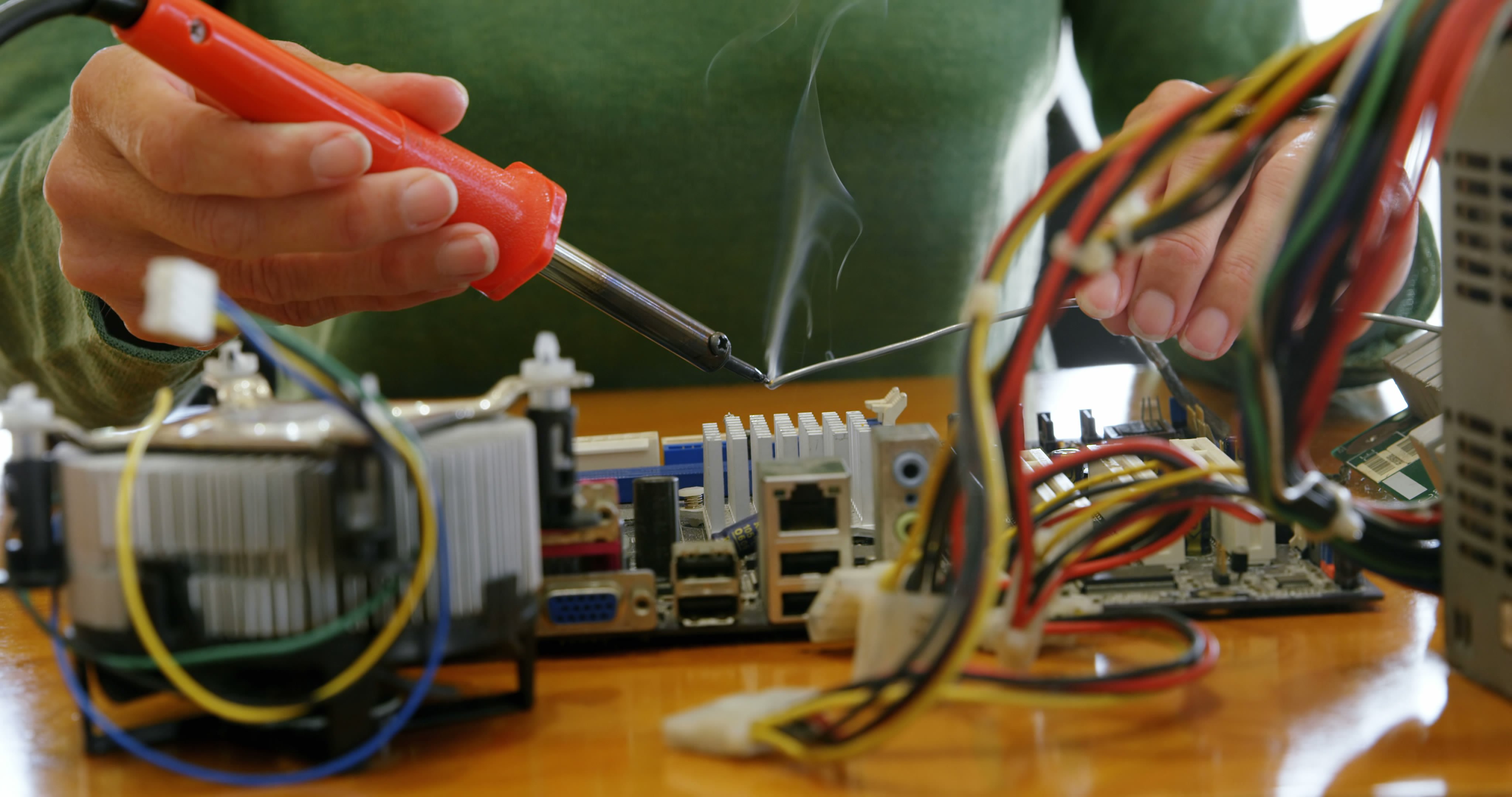
Electrical and Electronics Engineering
Beykent University, Sarıyer, Turkey
Earliest Intake
January 2026
Gross Tuition
3500 $

Bachelor's Degree
36 months
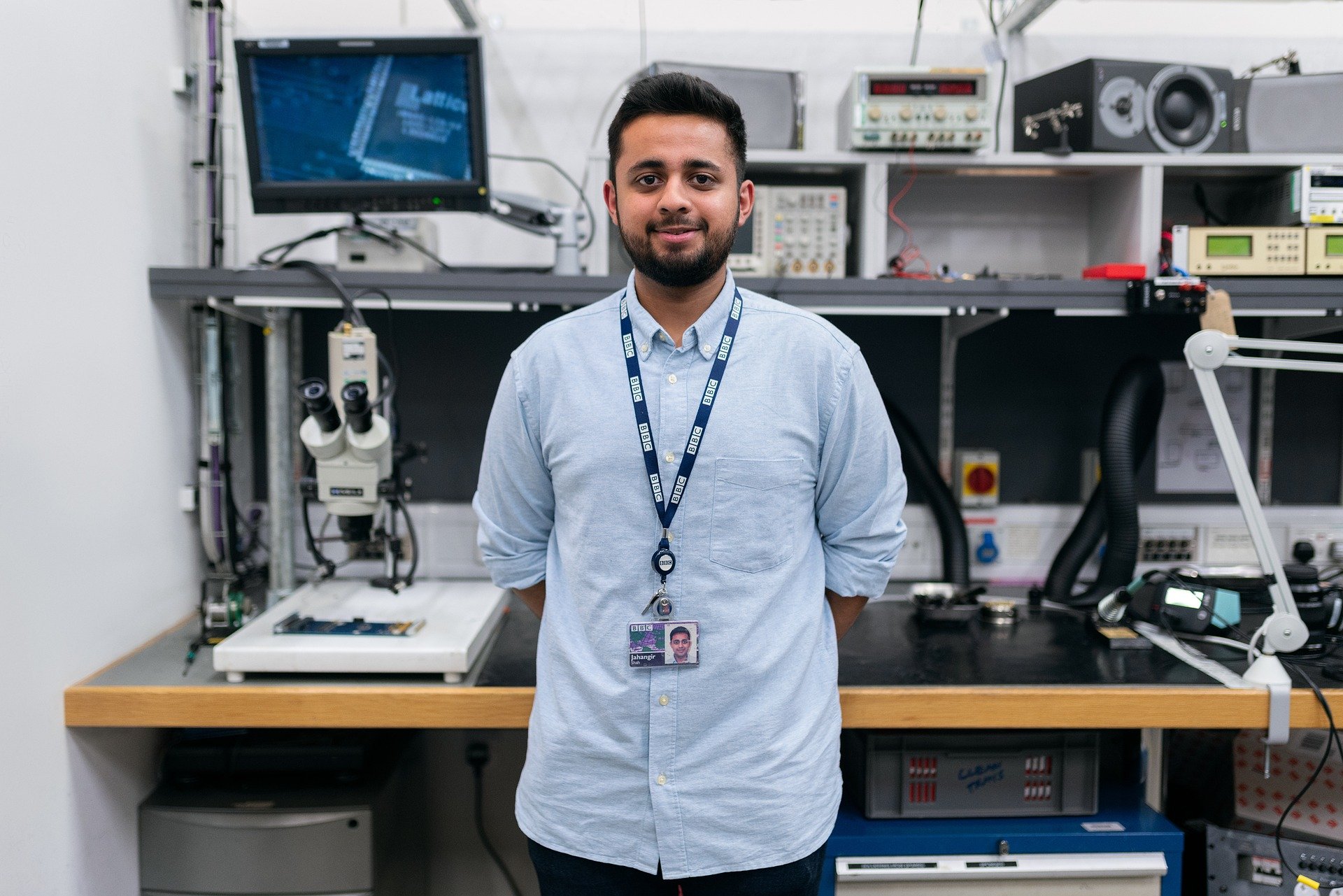
Electrical and Electronic Engineering BEng
University of Sheffield, Sheffield, United Kingdom
Earliest Intake
January 2026
Gross Tuition
32100 £


Bachelor's Degree
48 months
Electronic Engineering and Internet of Things (including foundation year) - BEng (Hons)
London Metropolitan University, London, United Kingdom
Earliest Intake
April 2025
Gross Tuition
15500 £



Uni4Edu AI Assistant