Paramedic Science BSc (Hons)
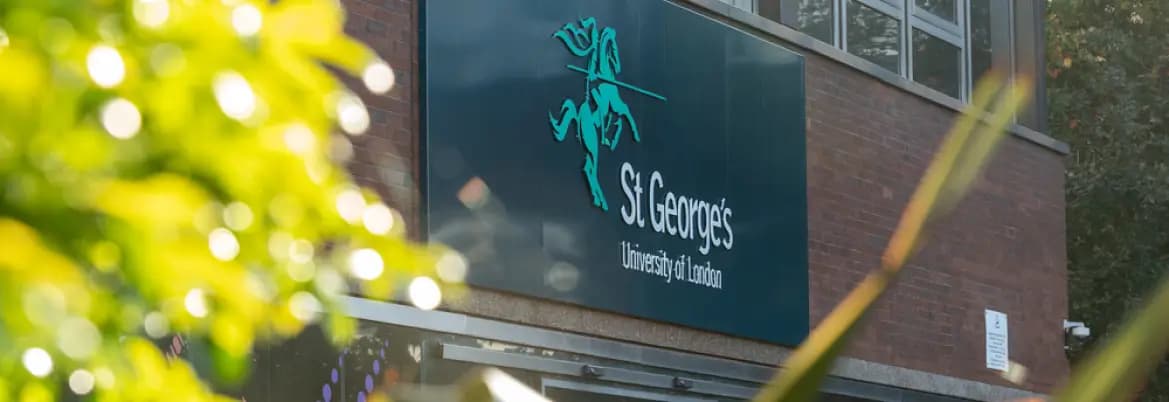
Tooting Campus, United Kingdom
You’ll spend around a third of your time working alongside clinical professionals and their patients to see what it takes to apply theory to practice. When you’re on campus, you’ll learn in our paramedic simulation centre. Here you’ll find immersion rooms, a clinical skills lab and replica ambulances. It’s a safe space where our subject experts will help you explore scenarios and practise on manikins later in your study, professional actors,.
Your mental health matters. We want to create resilient and compassionate paramedics – and that means helping you overcome the challenges you face. As well as support from the teaching team, you can talk to our student wellbeing champions. It’s not an easy career path, but it certainly is one of the most rewarding.
To support your ambition to work in this field, the NHS offer eligible students on this course a £5,000 maintenance grant each year. Read more information about our courses and university services terms and conditions.
This course is officially approved by the Health and Care Professions Council (HCPC) - the governing body for healthcare professionals and also endorsed by the College of Paramedics. The College of Paramedics is the recognised professional body for all paramedics in the UK, whose role is to promote and develop the paramedic profession across England, Northern Ireland, Scotland and Wales.
While the City St George’s programmes are recognised by many different countries, applicants are advised to check with their own individual national authorities if they wish to practise in their chosen country.
At the start of the course, we’ll familiarise you with ambulance and paramedic equipment, practising safe assessment and handling of patients. You’ll also learn to measure vital signs and administer immediate life support.
Once you’ve mastered these areas, you’ll look at health, disorder and dysfunction. This will help you better understand, anticipate, direct and provide care to patients. Building a strong knowledge of the body will also be crucial. We’ll cover anatomy and physiological processes alongside other basic sciences such as microbiology.
To help you apply your skills, you’ll spend around half your time on different placements. These will be with the London Ambulance Service (LAS), in hospital wards, theatres, A&E and maternity departments, across all three years of the degree.
As you near graduation, we’ll help you get ready to transition from student to fully qualified paramedic. As well as developing communication and leadership skills, you’ll look at alternative referral pathways for stable and unstable chronic conditions to avoid unnecessary hospital admissions.
A key part of your final year is your literature review. This can be on any topic of your choice. Perhaps you’ll analyse certain treatment techniques or methods of diagnosing injury or illness.
Similar Programmes
Bachelor's Degree
36 months
Paramedic Science BSc

Ulster University, Londonderry County Borough, United Kingdom
Earliest Intake
September 2025
Gross Tuition
17490 £


Bachelor's Degree
36 months
Paramedic Science BSc (Hons)
Oxford Brookes University, Oxford, United Kingdom
Earliest Intake
September 2025
Gross Tuition
18250 £

Master's & Postgraduate
12 months
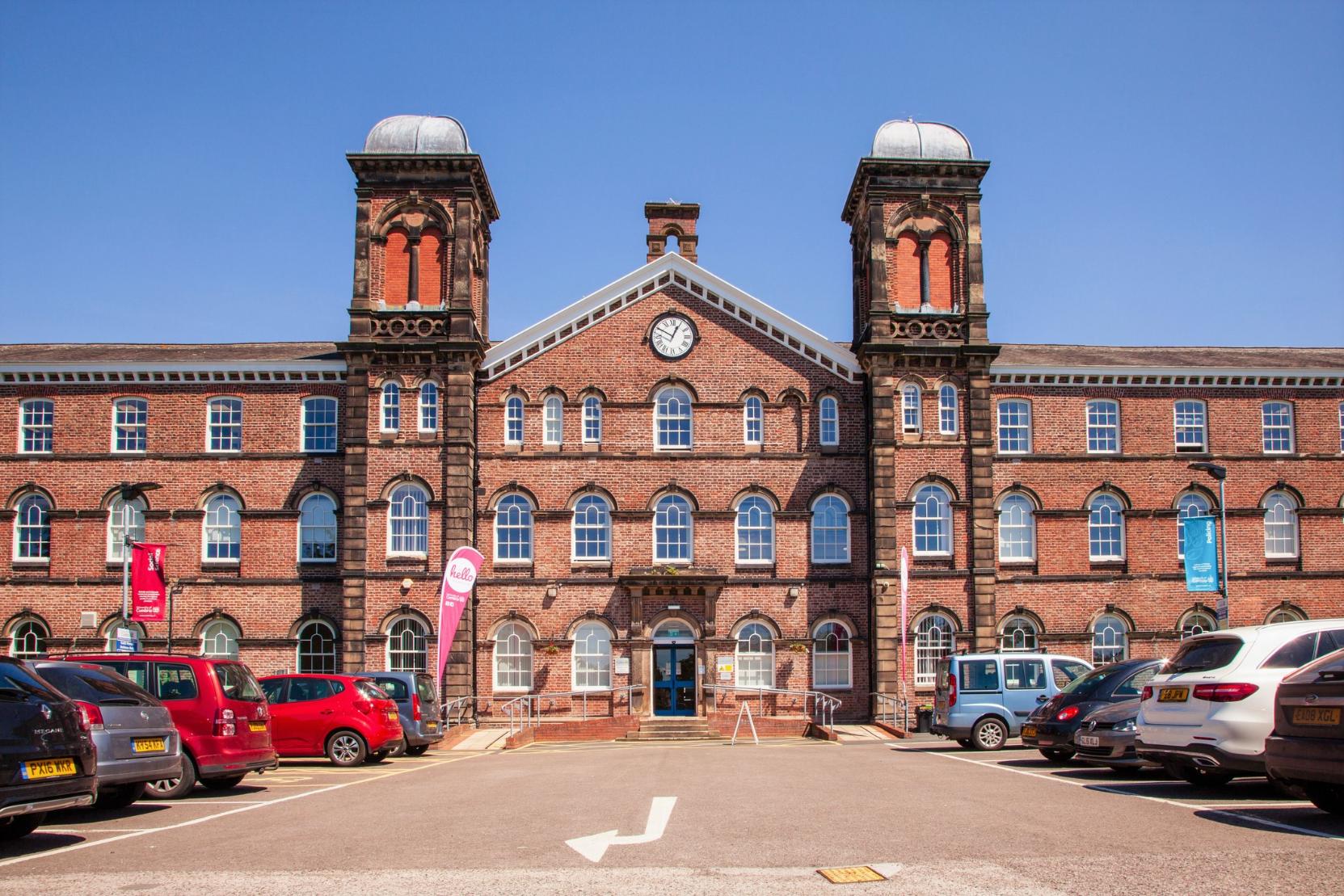
Paramedic: Practice Development
University of Cumbria, Carlisle, United Kingdom
Earliest Intake
September 2025
Gross Tuition
14900 £

Bachelor's Degree
36 months
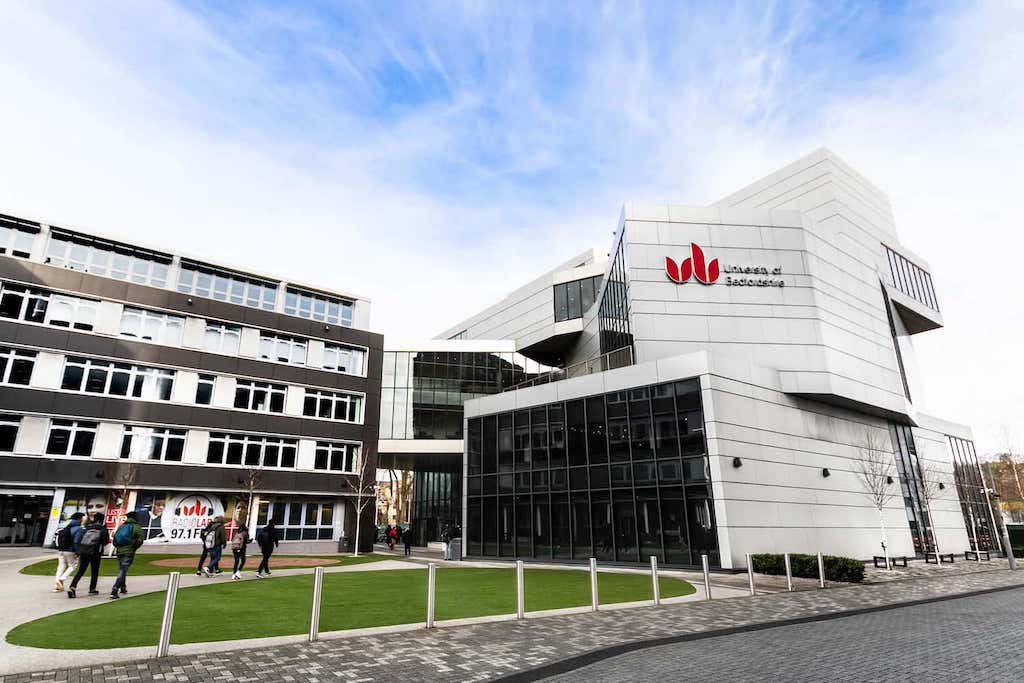
Paramedic Science (Hons)
University of Bedfordshire, Bedford, United Kingdom
Earliest Intake
September 2025
Gross Tuition
16900 £

Bachelor's Degree
36 months
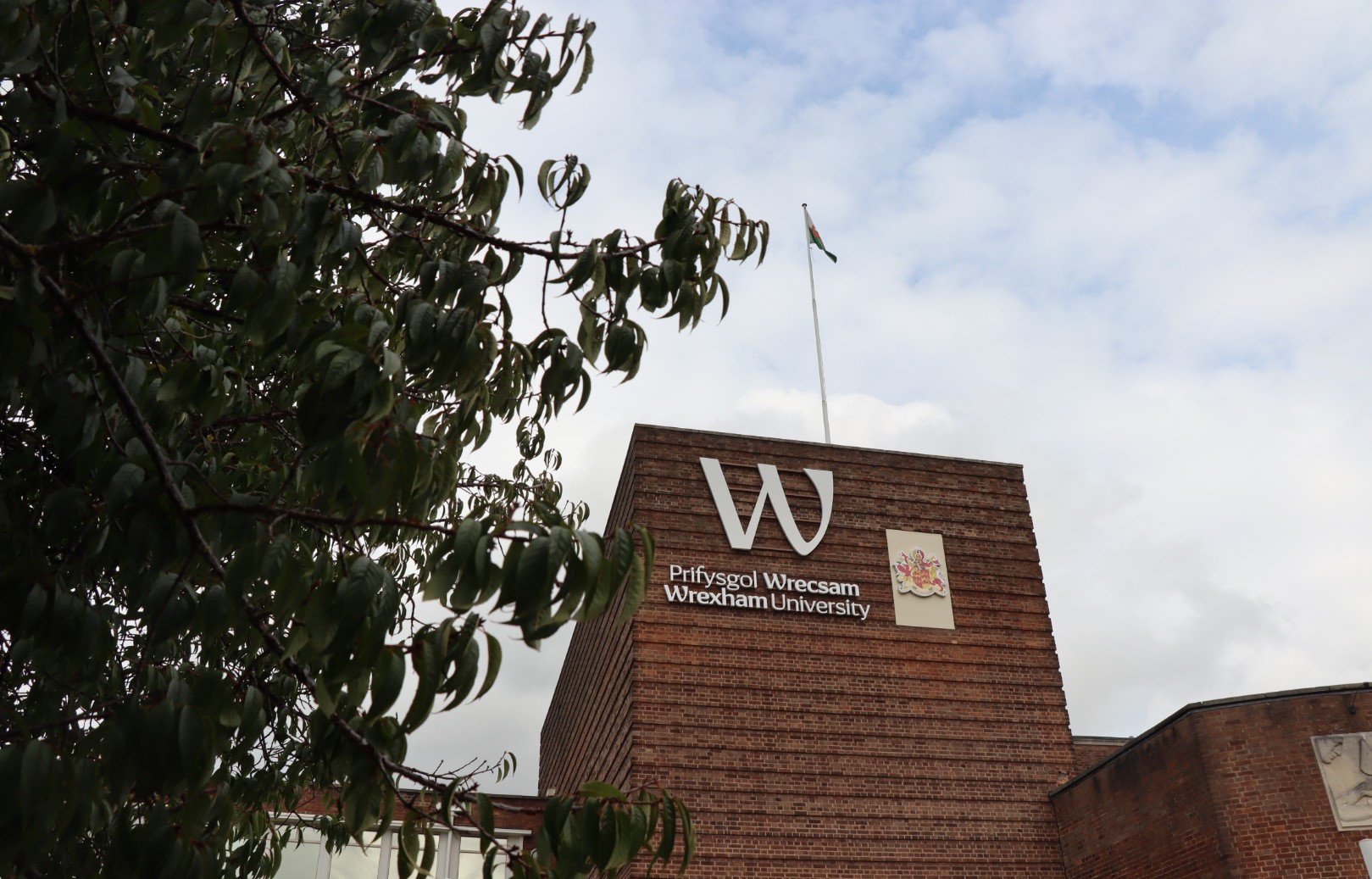
BSc (Hons) Paramedic Science
Wrexham University, , United Kingdom
Earliest Intake
September 2025
Gross Tuition
11750 £



Uni4Edu AI Assistant