
النظم الحيوية: التحليلات والتكنولوجيا (بكالوريوس العلوم)
الحرم الجامعي الرئيسي، توسان, الولايات المتحدة

نظرة عامة
Biosystems Analytics & Technology
Bachelor of Science
Coursework Location(s)
Main/Tucson
Areas of Interest
- Agricultural Sciences
- Biological & Biomedical Science
- Computer & Information Science
- Engineering & Technology
- Environment & Sustainability
- Mathematics, Statistics & Data Science
- Physical & Space Sciences
Overview
The Biosystems Technology & Analytics (BTA) curriculum is intended to prepare students for careers in the 4th Industrial Revolution which is the intersection of science, technology, and analytics. Meeting the grand challenges of tomorrow will require a convergence of new ideas, approaches, and technologies from diverse disciplines. In addition to general education requirements, our students will obtain foundational training in the tools needed to solve the grand challenges of the future: science (3 years of science courses: 1 year biology, 1 year chemistry, half-year physics, and half-year of either microbiology, biochemistry, or genetics), technology (1 semester of sensors and controls, 1 semester of remote sensing, 2 semesters of computer skills), and 5 courses of data science and analytics (1 semester of data science, 1 semester of statistics, 1 semester of bioinformatics, 2 semesters of analytics). Students in this program will be able to use those tools to engage technology and data challenges in precision agriculture, remote sensing, water management, statistical informatics, data-mining, and cyberinfrastructure development. Given massive unstructured "big data" streaming from sensors, controls, cloud repositories, and the interactive web, data-driven discovery is now possible.
Still, converting this knowledge into action to solve real-world problems in the life sciences requires a merger of data science, biology and physics, and applied engineering (also known as the 4th Industrial Revolution). These efforts require innovative and integrated educational pathways in applied statistics, computer science, and engineering technology. The Biosystems Engineering department is well-positioned to bring together these interdisciplinary skills into a solid program in the life sciences and this emerging program in Biosystems Technology & Analytics: 4 faculty in water resources, 6 faculty in the analytics of biological data, 5 faculty in modeling and sensors for agriculture and bioreactors, and 4 faculty in field-level precision agriculture (note that some of the faculty have more than one area of expertise). The goal of this proposed program is to create an inspirational and transformative training experience that integrates intellectual merit with real world, hands-on experiences across disciplines (genomics, precision agriculture, data science, and engineering technology); scales (molecules to models); and trainees (from undergraduate students to graduate students).
With the backdrop of the new information age, these emerging areas of engineering technology and applied data science warrant the need for a new program in Biosystems Technology & Analytics. This program will train students to take a true systems-level approach to understanding the relationships across food, water, and energy for a sustainable future by providing skills in sensors and remote sensing (data acquisition), statistics and bioinformatics (data management and analytics), and applying these tools to solve real-world problems.
Learning Outcomes
- Demonstrate the ability to assess and solve problems.
- Investigate, explain, critique, and integrate principles from math and sciences such as biology, microbiology, metagenomics, chemistry, statistics, computing, and programming for application in sustainable biological systems.
- Conduct experiments and analyze and interpret data.
- Apply quantitative principles to solve problems.
- Demonstrate the ability to work in teams integrating science and technology to solve problems involving sustainable biological systems.
- Demonstrate effective communication skills, both written and verbal.
- Demonstrate an understanding of professional and ethical responsibility.
Program Details
Sample Courses
- BE 310: Introduction to Biosystems Analytics
- BE 485: Remote Sensing Data and Methods
- BE 487: Metagenomics: From Genes to Ecosystems
Career Fields
- Academics
- Agriculture
- Cyberinfrastructure
- Environment
- Medical
Sample Courses
- BE 310: Introduction to Biosystems Analytics
- BE 485: Remote Sensing Data and Methods
- BE 487: Metagenomics: From Genes to Ecosystems
Career Fields
- Academics
- Agriculture
- Cyberinfrastructure
- Environment
- Medical
برامج مشابهة
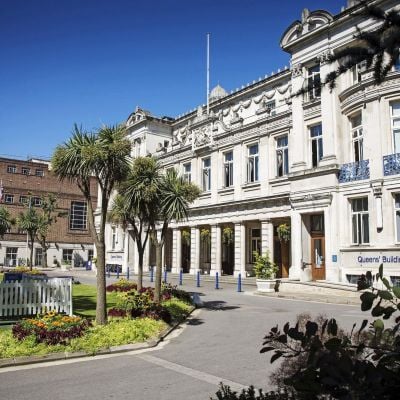

الماجستير والدراسات العليا
12 أشهر
علم المعلومات الحيوية

جامعة الملكة ماري في لندن, لندن, المملكة المتحدة
القبول المبكر
February 2026
الرسوم الدراسية الإجمالية
35250 £
الماجستير والدراسات العليا
24 أشهر
علم المعلومات الحيوية
جامعة توبنغن, Tübingen, ألمانيا
القبول المبكر
June 2026
الرسوم الدراسية الإجمالية
3000 €
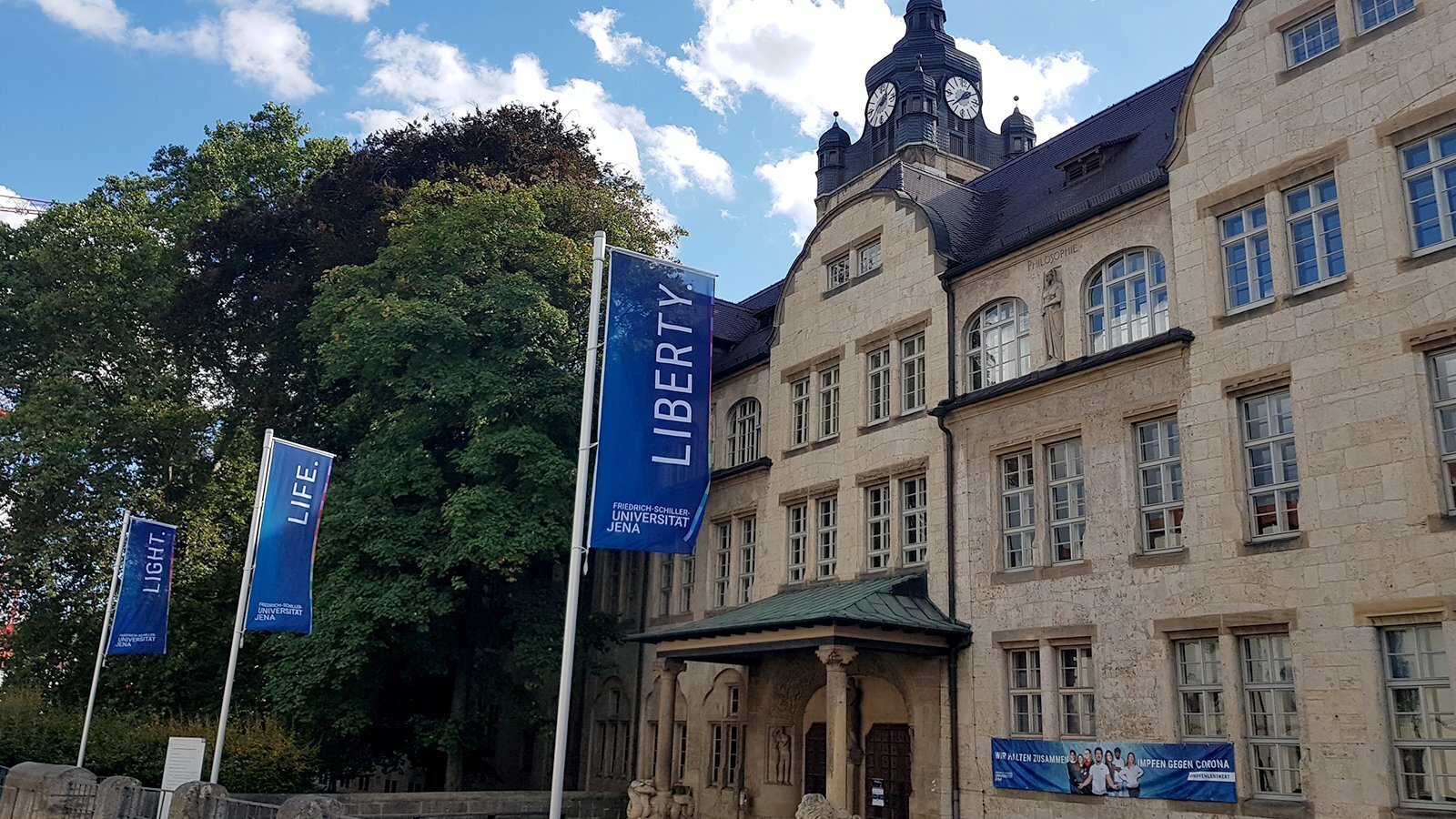

درجة البكالوريوس
36 أشهر
علم المعلومات الحيوية
جامعة يينا, Jena, ألمانيا
القبول المبكر
April 2025
الرسوم الدراسية الإجمالية
610 €

الماجستير والدراسات العليا
24 أشهر
المعلوماتية الحيوية التطبيقية
جامعة ماينز, Mainz, ألمانيا
القبول المبكر
April 2025
الرسوم الدراسية الإجمالية
686 €

الماجستير والدراسات العليا
24 أشهر
المعلوماتية الحيوية (باللغة التركية) - أطروحة
جامعة أوسكودار, Üsküdar, ديك رومى
القبول المبكر
June 2025
الرسوم الدراسية الإجمالية
4300 $



مساعد الذكي لـ Uni4Edu
